As Ukraine Cripples Russian Refining, Global Diesel Markets Pay the Price
Source Entity
Yahoo Finance
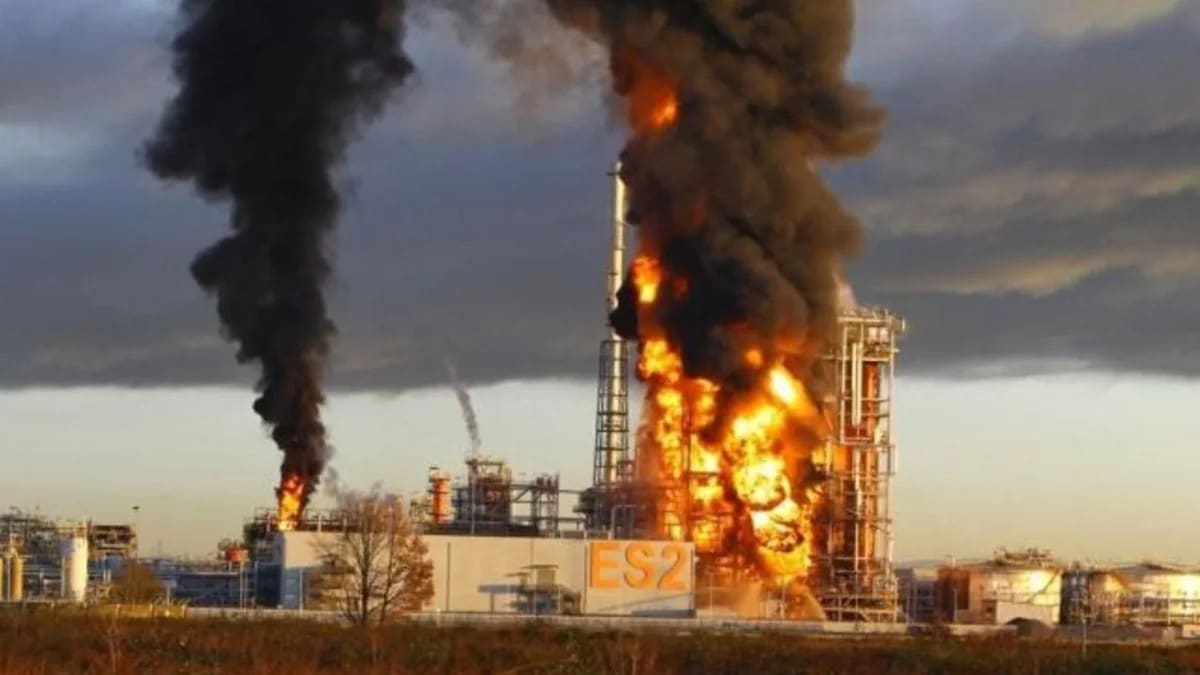
Ukraine's systematic strikes on Russian refineries have pushed crude processing to a 21-year low, forcing Russia to ban fuel exports. These attacks have hit 24 of 34 major refineries, severely disrupting global diesel and gasoline markets.
Strategic Attrition: Ukraine's Campaign Against Russian Refining Infrastructure
In a significant escalation of economic warfare, Ukraine has shifted its strategic focus toward the systematic dismantling of Russia's domestic oil refining capabilities. Since March, a concerted campaign of long-range strikes has targeted the heart of Russia's energy processing sector, moving beyond the immediate front lines to strike deep within Russian territory. This strategy aims to cripple Moscow's ability to produce refined petroleum products, thereby undermining both its internal economic stability and its capacity to sustain military logistics.
Quantifying the Industrial Collapse
The scale of the disruption is unprecedented in the modern era of the conflict. Data indicates that Russian refineries processed an average of only 3.91 million barrels of crude per day in early July, a staggering drop of more than 1.4 million barrels per day compared to the previous year. This decline represents the lowest national processing rate since March 2005, effectively erasing nearly two decades of industrial capacity in a matter of months. With at least 24 of Russia's 34 large refineries targeted across roughly 50 attacks over a 100-day window, the campaign demonstrates a high degree of precision and persistence.
The Erosion of Geographic Sanctuaries
One of the most critical developments in this campaign is the removal of geographic safety. For much of the conflict, refineries located deep within the Russian interior were considered safe from Ukrainian reach. However, the July 6 attack on the Omsk refinery shattered this illusion. Located more than 2,000 kilometers from the front lines, Omsk was previously viewed as a geographic sanctuary. The strike specifically targeted high-value infrastructure, reportedly damaging the ELOU-AVT-11 unit—capable of processing 8.4 million tonnes of crude and 1.2 million tonnes of gas condensate annually—as well as the AVT-10 primary unit. This proves that no part of Russia's refining network is now beyond the reach of Ukrainian assets.
Global Market Contagion and Export Bans
The domestic crisis in Russia has rapidly evolved into a global economic issue. As refining capacity plummeted, the Russian government was forced to implement emergency bans on the export of gasoline, jet fuel, and diesel to ensure domestic supply and prevent internal fuel shortages. Because Russia is a major global supplier of refined products, these bans have sent shockwaves through global diesel markets. The transition from an export-oriented energy powerhouse to a nation struggling to meet its own refined product needs highlights the vulnerability of Russia's energy-dependent economy.
Patterns of Persistent Attrition
Beyond the high-profile strike on Omsk, the campaign is characterized by repeated attrition. The Norsi refinery in Kstovo serves as a prime example, having suffered multiple strikes that damaged its primary processing units. By repeatedly targeting the same facilities, Ukraine is not only causing immediate outages but is also complicating repair efforts and creating a state of perpetual instability within the Russian energy sector. This pattern suggests a deliberate effort to ensure that refineries cannot simply be patched up, but are instead pushed toward long-term operational failure.
Conclusion: The Broader Geopolitical Shift
Ukraine's campaign against Russian refineries represents a pivot from traditional territorial combat to a sophisticated strategy of economic strangulation. By targeting the refining stage rather than just crude extraction, Ukraine is attacking the most value-added part of the energy chain. This approach simultaneously drains Russian revenue, disrupts the fuel supply for the Russian military, and leverages global market volatility to increase pressure on the Kremlin. Moving forward, the ability of Russia to defend its deep-interior industrial assets will determine whether its energy sector can recover or if it will remain in a state of prolonged decline.