Paediatrician explains 2 different polio vaccinations OPV and IPV, their role in protecting children
Source Entity
Latest News: Todays Latest News Headlines from India & World | Hindustan Times | Hindustan Times
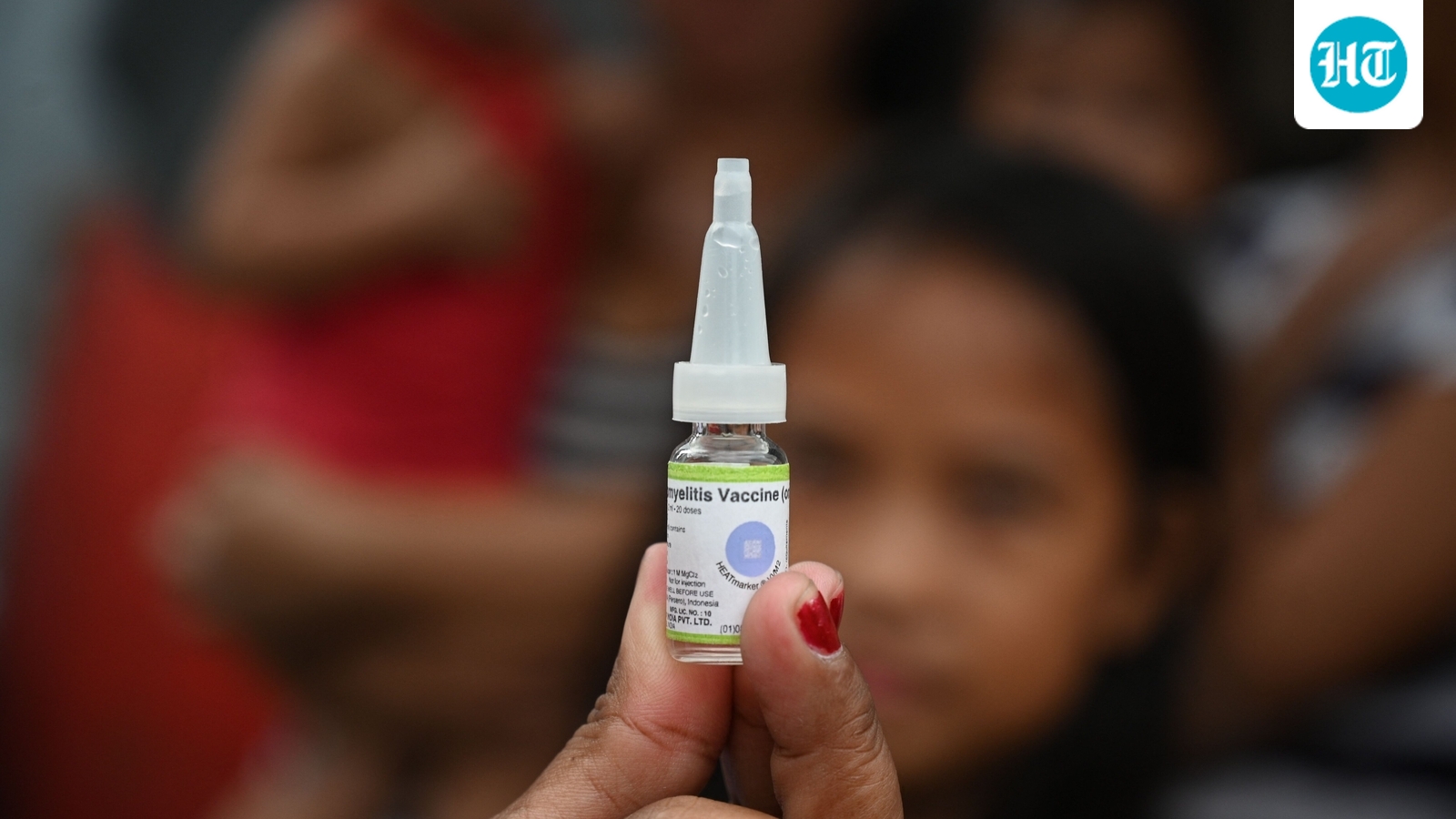
Dr. Rohini Nagarkar highlights the critical roles of OPV and IPV vaccines in preventing polio-induced paralysis. Both vaccines work in tandem to provide comprehensive immunity against the three types of poliovirus.
Understanding the Dual-Vaccine Strategy Against Polio
On the occasion of World Polio Day, observed globally on October 24, medical experts have renewed the focus on the dual-vaccine approach essential for the total eradication of poliomyelitis. Dr. Rohini Nagarkar, a prominent paediatrician, recently clarified the distinct roles of the Oral Polio Vaccine (OPV) and the Inactivated Poliovirus Vaccine (IPV). Understanding these two modalities is vital for parents and public health officials alike, as the integration of both is the cornerstone of modern immunization schedules designed to protect children from this debilitating disease.
The Nature of the Pathogen
The poliovirus is a highly infectious pathogen that primarily enters the human body through the oral route. As Dr. Nagarkar detailed, the virus utilizes the gastrointestinal tract as a primary site for replication, often spreading through contaminated food, water, or poor sanitation practices. While a vast majority of infections may remain asymptomatic or present as mild illnesses, the clinical danger lies in the virus's ability to invade the central nervous system. In approximately one out of every 200 cases, the virus triggers irreversible paralysis, a condition for which there is currently no medical cure.
Comparing OPV and IPV
The global effort to combat polio relies on two distinct scientific approaches. The OPV, which is administered orally, has long been the workhorse of global eradication campaigns due to its ease of administration and ability to induce mucosal immunity in the gut, which helps break the chain of transmission. Conversely, the IPV is administered via injection. By utilizing an inactivated (killed) form of the virus, the IPV triggers a robust systemic immune response, ensuring that the body is prepared to fight off the virus should it enter the bloodstream.
Synergistic Protection
Dr. Nagarkar emphasizes that these vaccines are not interchangeable alternatives but rather complementary tools. By using both, health systems can leverage the unique immunological benefits of each: the OPV acts as a barrier to transmission in the community, while the IPV provides a high level of individual protection against paralysis. This synergy is particularly important given that there are three distinct types of poliovirus circulating, each requiring a comprehensive immune response to successfully neutralize.
Future Trends and Eradication Goals
The continued reliance on both OPV and IPV reflects a strategic shift in global health policy. As regions move closer to permanent eradication, the focus has shifted toward maintaining high coverage rates to prevent outbreaks in vulnerable populations. The expert guidance provided by paediatricians serves as a critical educational bridge, helping to demystify the vaccination process and ensuring that public confidence remains high in the ongoing fight against vaccine-preventable diseases.
Conclusion
In summary, the combined administration of OPV and IPV represents the gold standard in polio prevention. By addressing both the intestinal replication of the virus and the systemic vulnerability to paralysis, these vaccines offer the most effective shield currently available. As the world continues to mark milestones like World Polio Day, the clear communication of these medical facts remains an essential component of protecting future generations from the lifelong consequences of polio infection.
Verification Required?