AI Boom Sends U.S. Electricity Demand to New High
Source Entity
Yahoo Finance
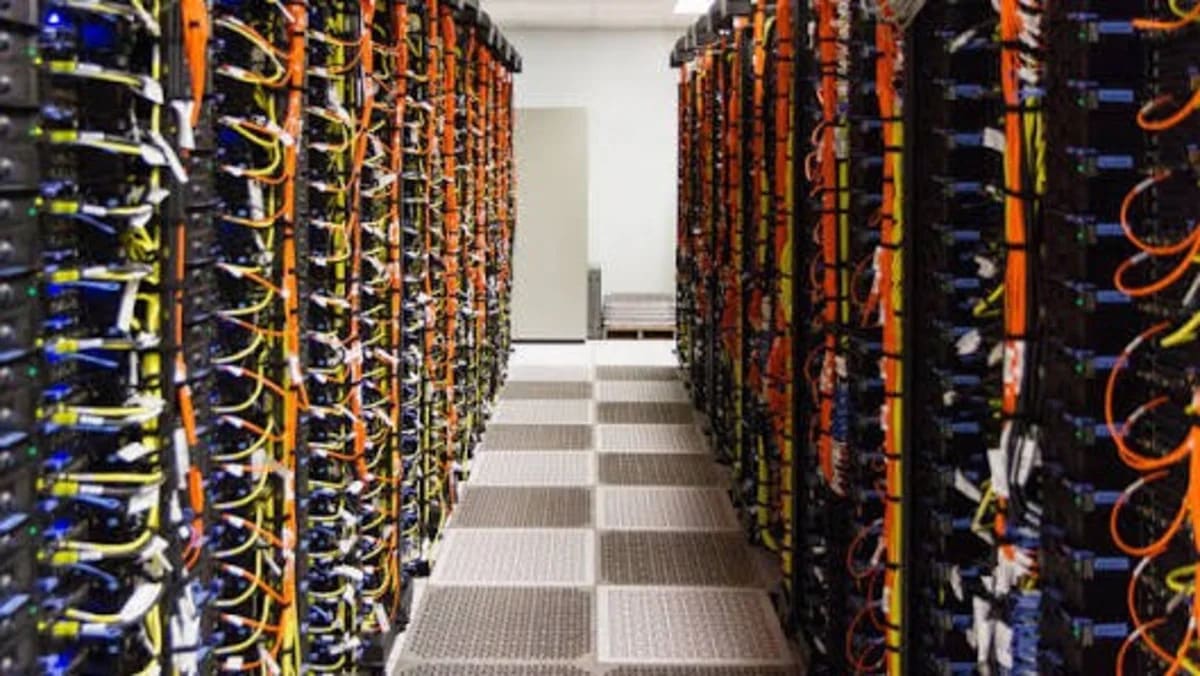
U.S. electricity demand has hit record highs, ending a decade of stagnation due to the AI boom and increased electrification. Data center power needs are projected to more than double by 2027, significantly impacting the national energy mix.
The Great Power Surge: How AI is Rewiring U.S. Energy Demand
For over a decade, the United States experienced a period of remarkably stagnant electricity consumption. Efficiency gains in appliances and industrial processes had largely offset the growth of the economy. However, this trend has been abruptly reversed. Recent data indicates that U.S. electricity consumption set a new record high last year and is projected to continue climbing through this year and next. This shift marks a fundamental transition in the American energy landscape, driven by a confluence of technological acceleration and a broader systemic move toward electrification.
The AI Catalyst and Data Center Expansion
At the heart of this surge is the artificial intelligence (AI) boom. Unlike traditional cloud computing, the training and deployment of Large Language Models (LLMs) and generative AI require immense computational power, necessitating a massive buildout of specialized data centers. According to the U.S. Energy Information Administration (EIA), data center load has emerged as the dominant driver of long-term electricity growth. The scale of this expansion is staggering; Goldman Sachs Commodities Research forecasts that U.S. data center power demand will more than double, jumping from 31 gigawatts (GW) in 2025 to 66 GW by 2027. This exponential growth reflects the physical infrastructure requirements of the AI race, where GPUs and cooling systems demand constant, high-density power.
Beyond AI: The Role of General Electrification
While AI is the primary catalyst, the surge is also supported by rising electrification rates across other sectors. The transition toward electric vehicles (EVs), the adoption of electric heat pumps for residential heating, and the shift toward electrified industrial processes are contributing to a higher baseline of power demand. This creates a compounding effect: as the economy moves away from fossil-fuel-burning machinery and toward the grid, the total load increases. The synchronization of the AI boom with this general electrification trend has created a "perfect storm" for energy providers, requiring a rapid scale-up of generation capacity that the U.S. has not seen in years.
The Evolving Energy Mix: Gas, Coal, and Renewables
To meet this unprecedented demand, U.S. power generation is also hitting record highs. Natural gas continues to be the mainstay of the U.S. power mix, providing the necessary flexibility and baseload power to support the volatile growth of the grid. Simultaneously, there is a visible structural shift in how power is generated. Renewable energy generation and capacity installations are rising steadily, increasingly replacing coal-fired power supplies. Interestingly, this transition toward greener energy is occurring despite political headwinds and policies that have historically favored coal or opposed renewable subsidies, suggesting that market forces and the sheer scale of demand are driving the transition faster than policy alone.
Future Implications and Grid Stability
Looking forward, the trajectory of electricity demand suggests significant challenges for grid stability and infrastructure. The rapid jump to 66 GW for data centers by 2027 will put immense pressure on transmission lines and regional grids, potentially leading to bottlenecks in where AI infrastructure can be built. We can expect a trend toward "behind-the-meter" energy solutions, where data center operators invest in their own power generation—including small modular reactors (SMRs) or dedicated renewable farms—to bypass grid constraints. The ability of the U.S. to maintain this growth without compromising reliability will depend on the speed of infrastructure modernization.
Conclusion
The end of stagnant power use in the U.S. is a clear indicator of the profound impact AI is having on the physical world. By driving electricity demand to all-time highs and accelerating the shift from coal to natural gas and renewables, the AI boom is not just a software revolution, but an infrastructure one. As data center demand continues its steep climb toward 2027, the intersection of technology and energy will remain the critical focal point for U.S. economic and environmental policy.