US walks out of UN Security Council meeting during France's remarks
Source Entity
BBC News
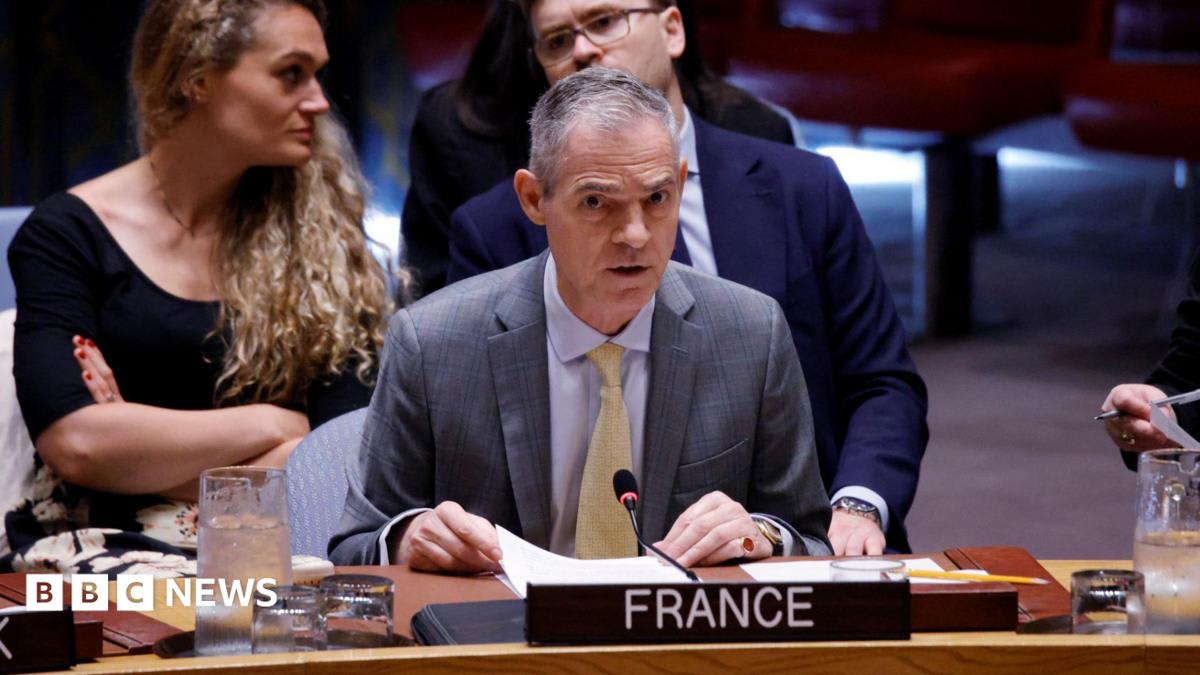
A major diplomatic rift has emerged at the UN after the US delegation walked out during French remarks. The tension stems from the US voting against extending the UN human rights chief's term, drawing sharp criticism from France.
Diplomatic Fallout at the United Nations: The US-France Standoff
The recent walkout by the United States delegation during a UN Security Council meeting marks a significant escalation in transatlantic friction. This dramatic gesture of protest occurred in direct response to comments made by French diplomats, who drew unfavorable parallels between the current United States voting record on human rights and that of established authoritarian regimes. This confrontation is not merely a localized diplomatic spat but a reflection of deep-seated disagreements regarding the administration of international human rights oversight.
The Catalyst: A Contentious Vote
At the heart of this geopolitical friction is the recent vote regarding the extension of Volker Turk’s tenure as the UN High Commissioner for Human Rights. In a move that surprised many international observers, the United States aligned its position with North Korea and Russia to vote against the extension. This rare alignment of the U.S. with geopolitical rivals has sent shockwaves through diplomatic circles, signaling a potential shift in how Washington intends to engage with international human rights mandates moving forward.
The War of Words
The rhetoric following the vote quickly turned vitriolic. France’s UN mission utilized social media platform X to issue a stinging rebuke, suggesting that the United States has abandoned its historical role as a "beacon of human rights." This public censure forced a defensive response from U.S. Ambassador Mike Waltz, who characterized the UN human rights office as an institution that has prioritized lecturing democratic nations while allegedly failing to hold the world’s most egregious oppressors accountable.
Broader Implications for Transatlantic Relations
This incident underscores a widening ideological chasm between the U.S. and its European allies. Historically, the U.S. and France have acted as pillars of the Western liberal order. However, the current tension suggests that the foundational consensus on international human rights bodies is fraying. If the U.S. continues to view these institutions as biased or counter-productive to its national interests, we may see a broader trend of American withdrawal from, or active opposition to, multilateral human rights frameworks.
Historical Context and Future Trends
Historically, the U.S. has often held a complex relationship with the UN, vacillating between strong leadership and skepticism. This latest episode suggests a return to a more isolationist or transactional approach to international diplomacy. Looking ahead, if the U.S. remains at odds with European partners over the integrity of the High Commissioner’s office, it is likely that international decision-making will become increasingly gridlocked, potentially weakening the global influence of the UN Security Council.
Conclusion
As the dust settles on this diplomatic walkout, the international community is left to grapple with the reality of a fractured Western alliance. The dispute over Volker Turk’s term is likely just the beginning of a larger debate regarding the future of international human rights governance. Whether this marks a temporary cooling of relations or a permanent divergence in foreign policy remains to be seen, but the event serves as a stark reminder of the fragile state of modern multilateralism.