Applying for a US green card? Trump’s revived rule could affect you
Source Entity
The Indian Express
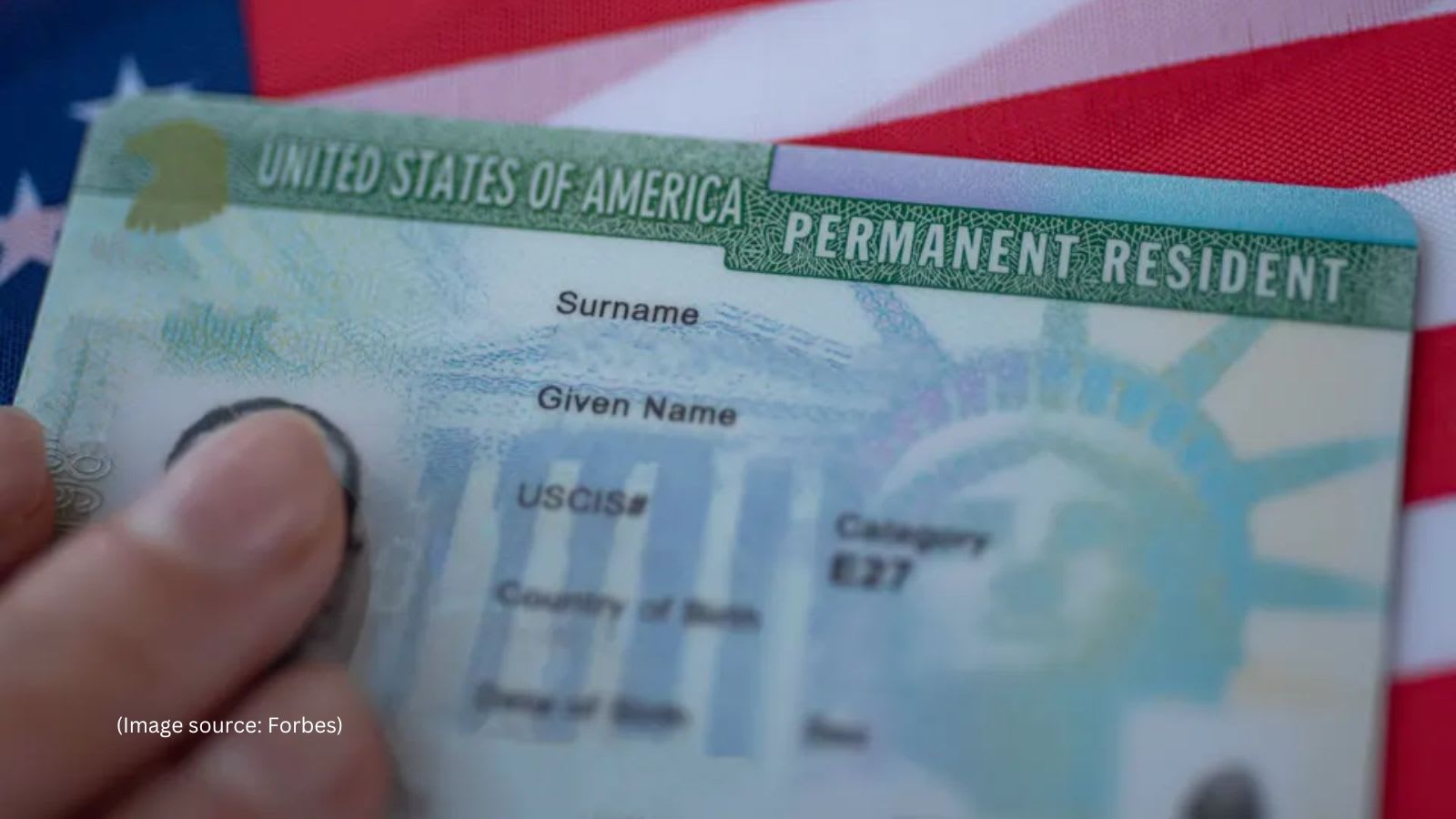
The US government has revived the controversial "public charge" rule, empowering immigration officials to deny green cards to those likely to rely on government assistance. This policy restores broad discretion to USCIS officers, reversing a more limited 2022 regulation.
The Return of the 'Public Charge' Rule: A New Era of Immigration Scrutiny
The United States government has officially revived the controversial "public charge" rule, a policy that grants immigration officials the authority to deny green cards and visas to applicants deemed likely to become primarily dependent on public assistance. This move, finalized by the Department of Homeland Security (DHS), signals a significant shift back toward a more restrictive immigration posture. The rule, which appeared in the Federal Register and is slated for formal publication on July 20, will officially take effect on September 18. The core objective is to ensure that individuals seeking permanent residency are financially self-sufficient and will not become a burden on the US taxpayer.
Historical Context and Policy Pendulums
To understand the gravity of this revival, one must look at the policy's history. The "public charge" rule was first implemented in February 2020 during President Donald Trump’s first term as part of a broader effort to limit legal immigration. This initial iteration was designed to create a higher financial barrier for those seeking legal status. However, this approach was later rescinded and narrowed under the Biden administration in 2022, which sought to limit the factors immigration officers could consider when assessing an applicant's likelihood of needing aid. The current revival effectively wipes out those 2022 protections, restoring the broader discretionary powers previously held by the government.
Broadened Discretion and the "Totality of Circumstances"
One of the most critical aspects of the revived rule is the shift toward "individualized, fact-specific" decision-making. Rather than relying on a narrow set of criteria, USCIS officers are now empowered to assess the "totality of an applicant’s circumstances." This means that a wider range of factors—including financial assets, education, health, and employment history—can be weighed to determine if an applicant is likely to require government aid. This broad discretion removes the predictability of the application process, as the determination of being a "public charge" is now subject to the subjective interpretation of the presiding immigration officer.
Impact on Vulnerable Populations and Mixed-Status Families
The implications of this rule extend beyond single applicants to include complex family structures. Specifically, the policy introduces measures that affect mixed-status families—households where the parents are foreign nationals but the children are U.S. citizens. For these families, the financial scrutiny applied to the parents during the green card process could lead to denials that separate families or leave parents in a precarious legal limbo. By expanding the grounds on which an applicant can be found ineligible, the rule creates a higher risk for those who may have temporary financial instability despite having strong familial ties to the U.S.
Consequences for Global Applicants and the Indian Diaspora
This policy change is particularly significant for high-volume immigration corridors, such as those from India. Thousands of Indian nationals apply for permanent residency annually, often moving through the H-1B visa pipeline. For these applicants, the revived rule introduces a new layer of financial risk. Depending on their specific immigration category and current financial circumstances, skilled workers who might have previously qualified for a green card could now face denial if their financial profile is deemed insufficient under the new, broader guidelines. This could potentially disrupt the career trajectories of thousands of legal immigrants.
Implementation Timeline and Procedural Nuances
According to the reports, the rule's rollout is precisely timed, with the September 18 effective date serving as the hard deadline for the new standards. The Department of Homeland Security has clarified that if a benefit request is denied or affected by these changes, the requestor may be allowed to resubmit their application provided it includes a valid signature. This procedural detail suggests that the government is preparing for a wave of resubmissions as applicants scramble to provide more robust financial documentation to satisfy the new requirements.
Conclusion: The Future of Legal Immigration Vetting
In summary, the revival of the "public charge" rule represents a strategic pivot toward stricter financial vetting for legal immigration. By restoring broad discretion to USCIS officers and focusing on the "totality of circumstances," the US government is raising the bar for who is considered a "desirable" immigrant. Moving forward, applicants should expect a more rigorous examination of their financial health, and the legal community will likely see an increase in challenges regarding the subjective nature of "individualized" decisions. This shift underscores a continuing trend of using financial solvency as a primary gatekeeping mechanism for permanent residency in the United States.
Multiple Citing Sources