Why MPs keep talking about an early election despite Burnham's denials
Source Entity
BBC News
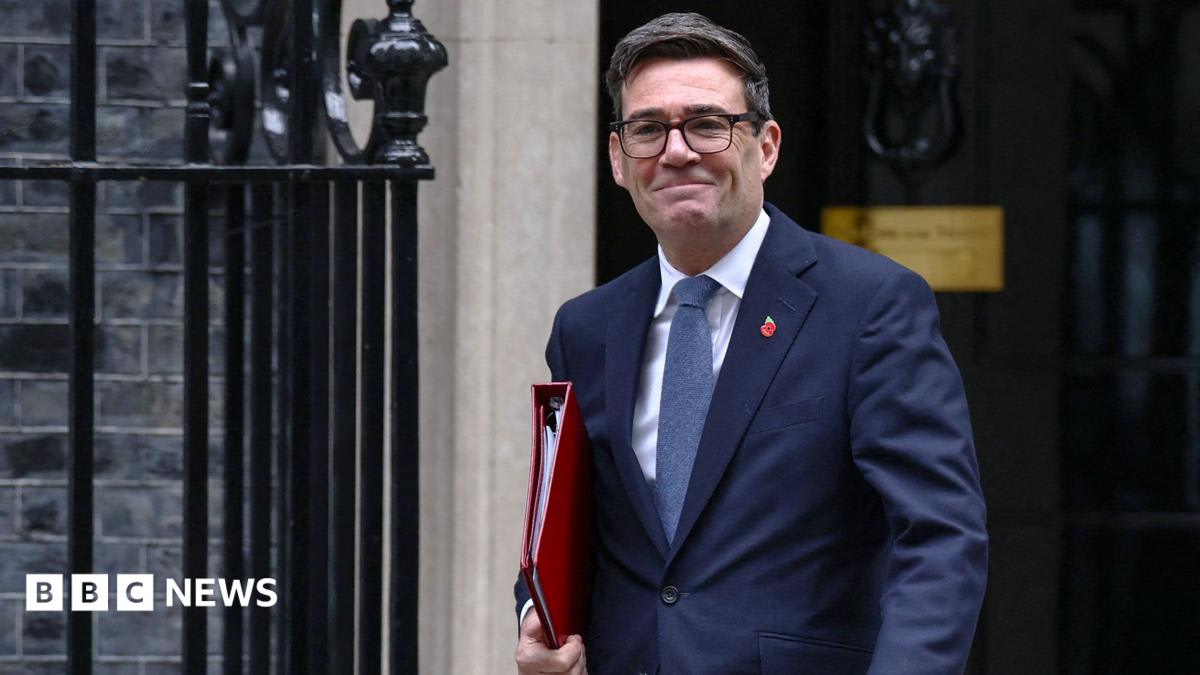
Despite Prime Minister Andy Burnham's categorical denials, Westminster remains rife with speculation regarding a potential early general election. Analysts point to recent budgetary strategies as evidence that the government may be positioning itself for a snap poll.
The Persistent Speculation of a Snap Election
In the corridors of Westminster, a recurring question continues to dominate political discourse: will Prime Minister Andy Burnham call an early general election? Despite the Prime Minister’s categorical and repeated denials, and the fact that he technically has nearly three years remaining in his term, the legislative climate remains thick with anticipation. This phenomenon highlights a classic disconnect between official government messaging and the strategic instincts of parliamentarians who view political maneuvers through the lens of electoral timing.
Analyzing the Budgetary Strategy
The most recent surge in election speculation can be traced directly to the aftermath of Wednesday's Budget. Political observers and seasoned MPs are questioning the logic behind Chancellor John Healey's fiscal strategy. By introducing "politically smart" giveaways now while deferring more arduous decisions regarding welfare and defense to an upcoming autumn spending review, the government has inadvertently signaled to many that they are clearing the deck for a potential spring election window.
The Strategic Logic of Delay
The skepticism among MPs is rooted in the political reality of governing. A former Labour minister noted that delaying unpopular decisions is a classic precursor to an election campaign. By keeping the most contentious policy shifts off the immediate agenda, the administration may be attempting to avoid voter backlash during a potential campaign period. This tactical deferral is being interpreted not as an administrative necessity, but as a calculated effort to optimize the party’s standing before the electorate.
Historical Context of Early Polls
Historically, the decision to call an early election is rarely about the stated reasons of "stability" or "clarity"; it is almost always a calculation of political advantage. When a government possesses a comfortable timeframe but chooses to truncate it, they are usually betting on a favorable polling trend or a desire to secure a fresh mandate before economic headwinds worsen. The current Westminster chatter reflects a deep-seated belief that the government’s recent fiscal choices are indicative of such a strategy.
Implications for the Future
If the speculation holds true and an early election is called, the government will face the challenge of justifying the departure from their current narrative of stability. Should they remain committed to their full term, the pressure to deliver on the deferred welfare and defense decisions will intensify significantly once the autumn spending review arrives. The coming months will be critical in determining whether these budgetary signals were merely administrative adjustments or the opening moves of an unscheduled campaign.