After courting Singapore, Andhra Pradesh turns attention to UK for Amaravati collab
Source Entity
Sreenivas Janyala
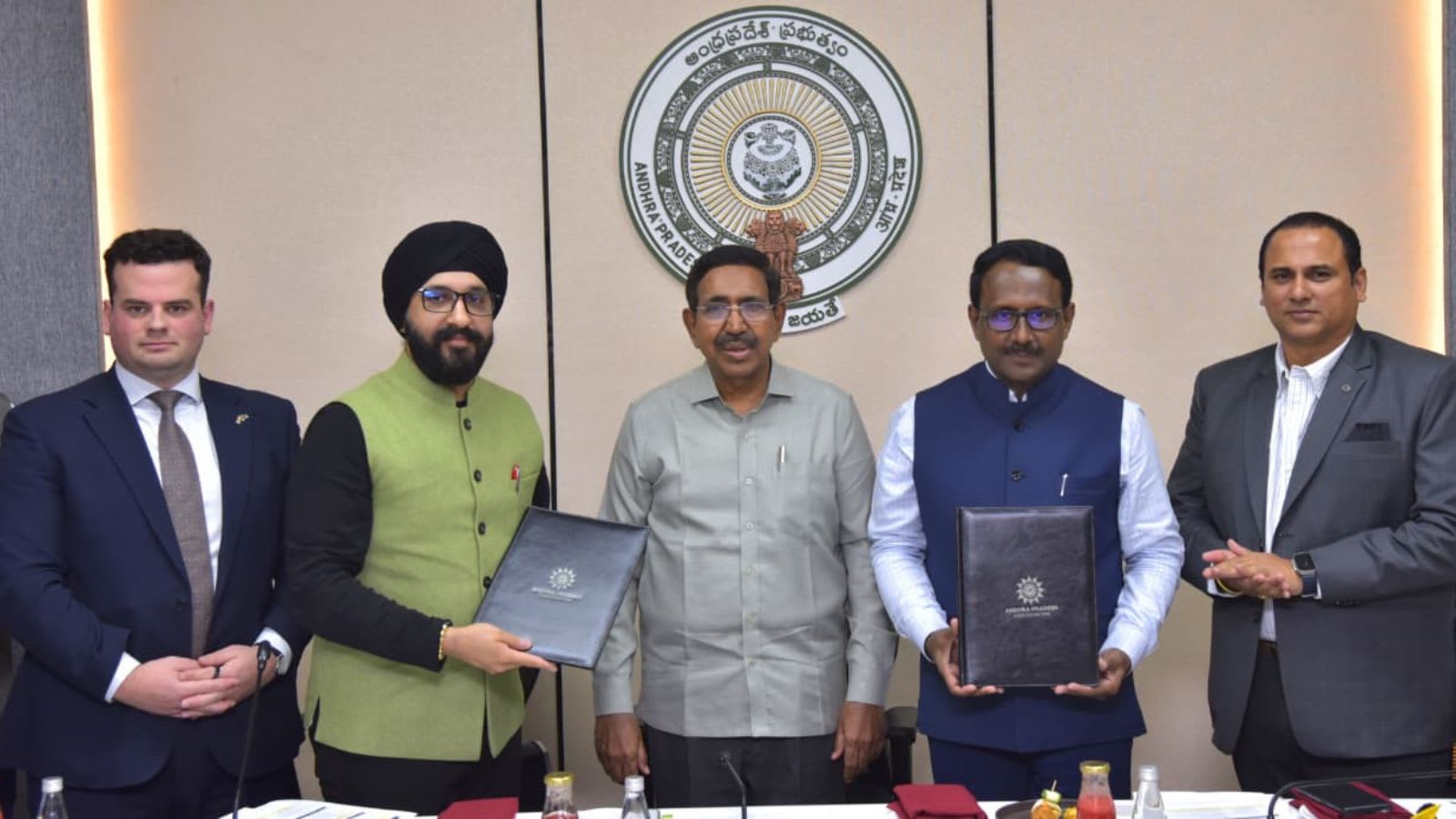
The Andhra Pradesh government is pivoting from Singapore to the UK for the development of its capital, Amaravati. The initiative seeks technical expertise and financial support via UK Export Finance for statewide infrastructure projects.
Andhra Pradesh Shifts Strategic Focus to the UK for Capital Development
The Andhra Pradesh government has officially signaled a strategic pivot in its quest to develop the capital city of Amaravati, shifting its collaborative focus from Singapore to the United Kingdom. This transition marks a significant evolution in the state’s approach to urban planning, as it seeks to leverage international partnerships to overcome historical delays and logistical hurdles in the project’s execution.
Expanding Beyond Amaravati: A Statewide Vision
While the primary objective remains the realization of Amaravati as a world-class administrative hub, the state government’s outreach to the UK encompasses a much broader mandate. Minister for Municipal Administration and Urban Development (MAUD), P Narayana, has clarified that this partnership is intended to catalyze development across all 123 of the state’s municipalities and municipal corporations. This holistic approach suggests a move toward systemic urban reform, rather than a singular focus on the capital alone.
Infrastructure and Sustainability Goals
The collaboration with the UK is specifically targeted at enhancing essential urban infrastructure. The state is prioritizing the modernization of critical systems including advanced road networks, comprehensive drainage systems, reliable drinking water supply, and sophisticated solid and liquid waste management. By integrating UK expertise, the government aims to establish sustainable and resilient infrastructure that can withstand the pressures of rapid urbanization and climate-related challenges.
The Role of UK Export Finance (UKEF)
A core component of this partnership is the pursuit of financial viability through UK Export Finance (UKEF). By exploring this avenue, Andhra Pradesh is looking to secure the capital necessary for long-term projects that might otherwise be stalled by budget constraints. UKEF’s involvement could provide a stable financial framework, allowing for the procurement of high-quality technology and engineering services from British firms, thereby ensuring that the development meets international benchmarks.
Implications for Future Urban Governance
This move signifies a proactive attempt by the Andhra Pradesh administration to revitalize its urban development agenda. By seeking diverse international partners, the state is attempting to insulate its long-term infrastructure goals from domestic political volatility. If successful, this collaboration could serve as a blueprint for other Indian states seeking to modernize municipal services through public-private partnerships and international export credit agencies.
Conclusion
In summary, the transition from Singapore to the UK represents a pragmatic recalibration of Andhra Pradesh's development strategy. By focusing on both the capital of Amaravati and the broader municipal landscape, the state is positioning itself to benefit from UK technical and financial infrastructure support. The success of this initiative will ultimately depend on the effective implementation of these agreements and the ability of the state to maintain consistent progress toward its urban modernization goals.