Marathi row: A protest later, 16 training centres to reopen for drivers
Source Entity
Ishika Gupta
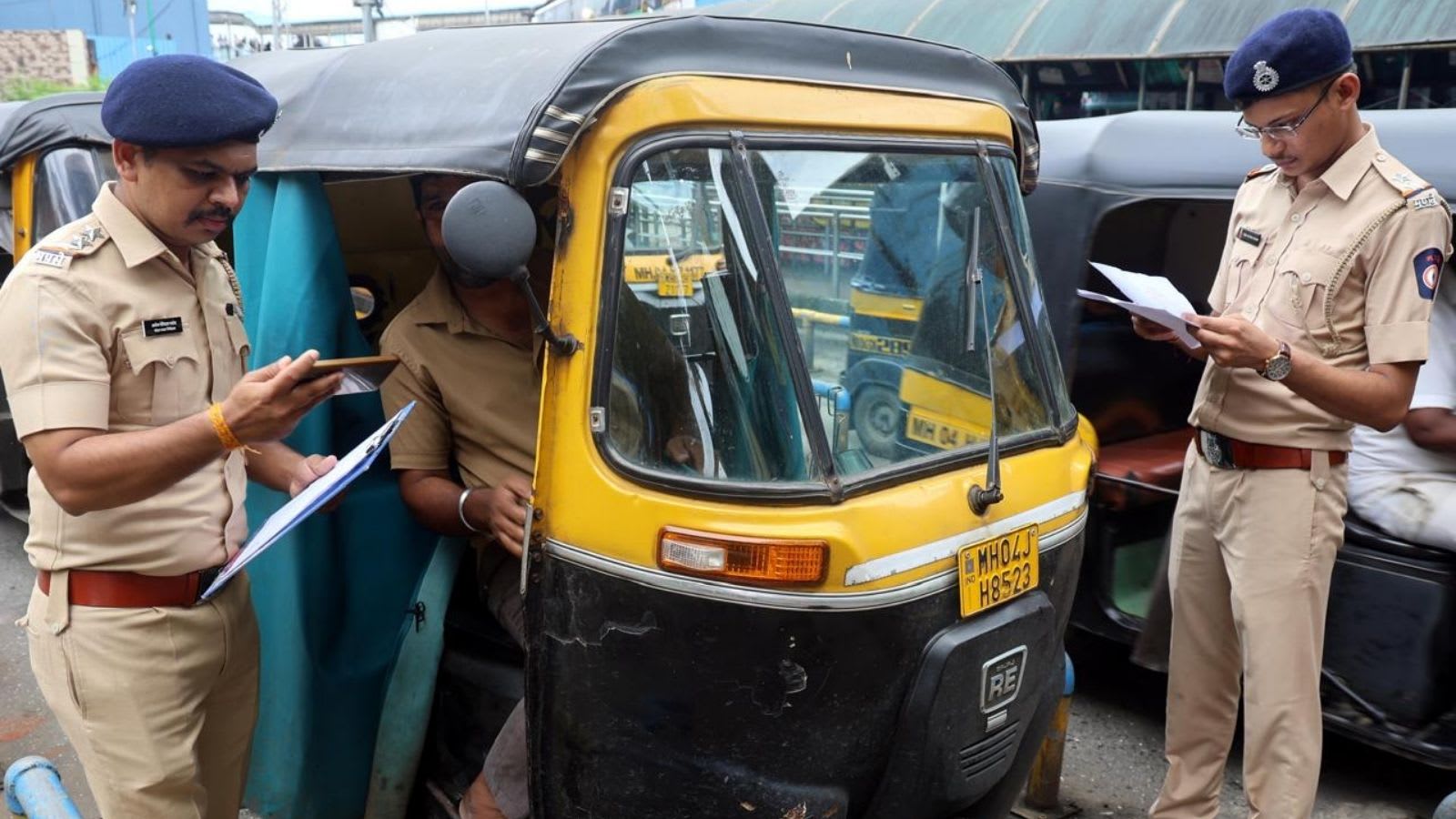
Four app-based drivers have moved the Bombay High Court challenging the Maharashtra government's mandate requiring taxi and auto drivers to possess working knowledge of Marathi. Amid this legal battle, the state has reopened 16 training centers to provide temporary relief to drivers struggling to meet the new proficiency requirements.
Legal and Social Tensions Over Language Mandates in Maharashtra
The recent move by the Maharashtra government to mandate a working knowledge of Marathi for auto-rickshaw, taxi, and app-based cab drivers has ignited a significant legal and social confrontation. On August 12, 2026, the Home (Transport) Department issued a notification amending the Maharashtra Motor Vehicles Rules, 1989, effectively making language proficiency a prerequisite for license issuance, renewals, and permit holding. This policy has triggered a swift reaction from stakeholders, culminating in a Public Interest Litigation (PIL) filed in the Bombay High Court.
The Constitutional Challenge
The petitioners, including four Uber-affiliated drivers and civil rights groups, argue that the state’s mandate infringes upon core constitutional protections. By challenging the rule under Articles 14, 19, and 21, the legal team—led by advocate Vivek Shukla—posits that the requirement restricts the fundamental right to carry on any trade or profession. Furthermore, the petition contends that the state notification is inconsistent with the central Motor Vehicles Act of 1988, raising critical questions about the hierarchy of laws and the limits of state authority over inter-state mobility and professional access.
Administrative Chaos and Enforcement
The enforcement phase of this mandate has been marked by confusion and protests. Following an August 15 deadline, many of the 48 Marathi training centers in the Mumbai Metropolitan Region (MMR) initially shut down, leaving drivers in a state of professional uncertainty. The government’s subsequent decision to reopen 16 of these centers serves as a tacit acknowledgment of the logistical difficulties faced by the workforce. Transport Minister Pratap Sarnaik’s intervention reflects the state's attempt to balance the political necessity of the mandate with the practical need to avoid paralyzing the city's transport infrastructure.
Broader Implications for the Gig Economy
This dispute highlights the growing friction between regional linguistic policies and the nature of the modern gig economy. App-based cab drivers, who often rely on algorithmic dispatch systems that transcend linguistic barriers, find themselves at odds with traditional regulatory frameworks designed for local taxi operations. The outcome of the upcoming hearing before the bench of Acting Chief Justice Ravindra Ghuge will likely set a precedent for how state governments can regulate professional requirements in an increasingly mobile and digitized workforce.
Future Trends in Regional Policy
As the Bombay High Court prepares to hear the PIL, the case serves as a litmus test for the balance between regional identity politics and national integration. If the court finds the notification to be in violation of central laws or fundamental rights, it could force a rollback of similar regional mandates across the country. Conversely, a ruling in favor of the state could embolden other regions to implement stricter local language requirements for transport and service-sector jobs, potentially altering the landscape of labor migration in India for years to come.