Here's why markets are starting to care about the 2026 election 10 weeks out
Source Entity
US Top News and Analysis
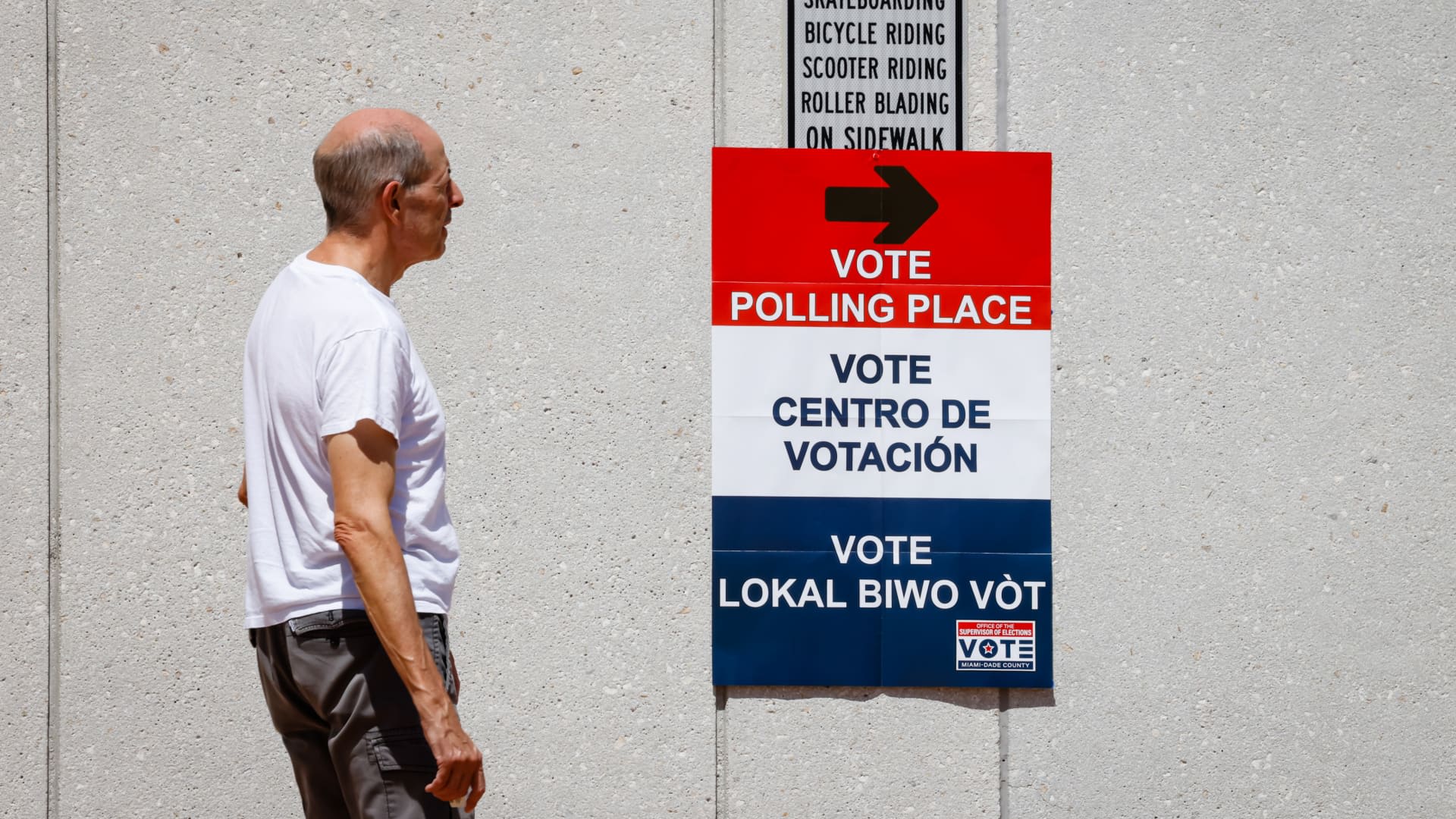
Wall Street is increasingly focused on the upcoming 2026 midterm elections as polling suggests a potential shift in congressional control. Investors are weighing the economic implications of a divided government and the potential legislative gridlock that may follow.
The Intersection of Markets and Midterms
As the November 3, 2026, election date approaches, Wall Street analysts have begun to pivot their attention toward the potential macroeconomic shifts resulting from the upcoming midterm contests. With only ten weeks remaining until voters head to the polls, the financial sector is evaluating how a change in the balance of power within the U.S. Congress could alter the trajectory of federal policy and, by extension, market stability.
Polling Trends and Congressional Power
Current projections indicate a tightening race, with Democrats leading the generic ballot by approximately 6 percentage points, according to data from FiftyPlusOne. This shift suggests a plausible scenario where the Republican Party, currently holding the executive branch under President Donald Trump, could face a legislative challenge. If Democrats succeed in capturing at least one chamber of Congress, the resulting power dynamic would fundamentally transform the federal legislative process.
The Prospect of Legislative Gridlock
For investors, the primary concern regarding a divided Washington is the high probability of legislative paralysis. Historically, periods of divided government—where the executive and legislative branches are controlled by opposing parties—often result in a stalemate. Such environments typically prevent the passage of major, non-bipartisan measures, effectively freezing significant fiscal policy changes or sweeping regulatory overhauls that markets often anticipate or fear.
Market Volatility and Risk Assessment
Wall Street’s focus on these elections is not merely political; it is a tactical assessment of risk. Markets generally prefer policy predictability, and the prospect of a legislative branch that is unable to pass basic measures creates uncertainty. While a divided government might prevent radical policy shifts, it also complicates the ability of the federal government to respond to economic shocks or manage long-term fiscal responsibilities, leading to a cautious stance among institutional investors.
Looking Toward November
As the final ten-week countdown begins, the market will likely react to shifts in polling data and local campaign developments. The primary focus for analysts remains on the "generic ballot," which serves as a bellwether for national sentiment. As voters prepare for the midterm elections, the financial community remains vigilant, monitoring whether the current democratic lead will materialize into a shift in congressional control or if the landscape will shift as the election nears.
Conclusion: Assessing Future Trends
Ultimately, the 2026 midterms represent a critical juncture for U.S. economic policy. Whether Washington remains under unified control or transitions to a divided system, the impact on market sentiment will be profound. Investors are currently pricing in the potential for gridlock, suggesting that the coming months will be characterized by heightened sensitivity to political news cycles as the nation approaches a pivotal electoral outcome.