This credit card is the ‘best weapon’ to fight debt while interest rates keep climbing
Source Entity
Genna Contino
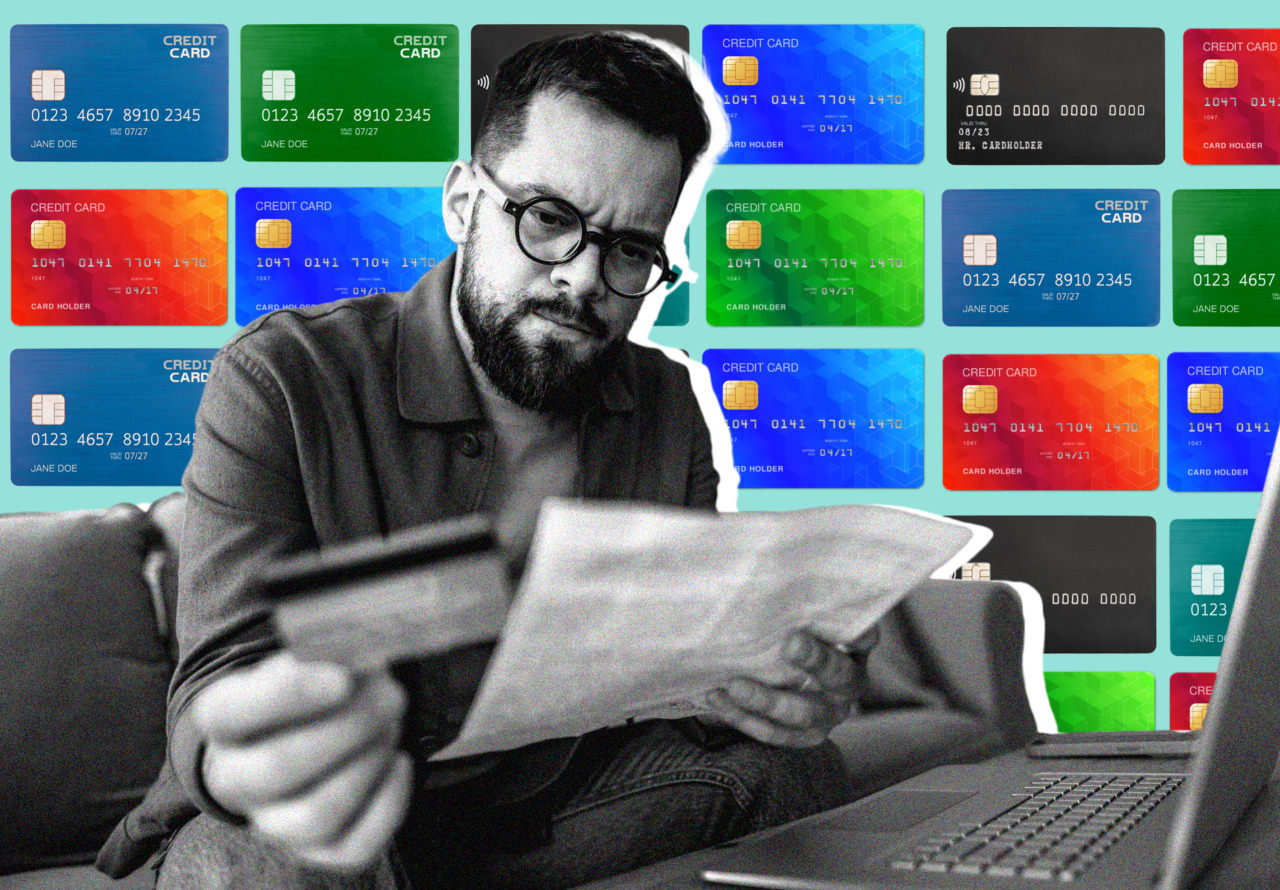
Rising interest rates are increasing borrowing costs for Americans with credit card debt. Experts suggest strategic credit card selection as a tool to mitigate the impact of these climbing financial burdens.
The Rising Cost of Consumer Debt
The landscape of personal finance in the United States is currently undergoing a significant shift as the Federal Reserve continues its cycle of interest rate hikes. Following the increase in September and the anticipation of another hike in December, the cost of servicing credit card debt has reached a critical juncture. For millions of Americans, these rate adjustments are not merely theoretical; they translate directly into higher Annual Percentage Rates (APRs) on revolving credit balances, effectively increasing the cost of living on borrowed money.
The Mechanics of Variable Interest Rates
Most credit cards operate on variable interest rates, which are tied directly to the Prime Rate. When the Federal Reserve raises the federal funds rate, banks almost immediately pass those costs onto consumers by raising the Prime Rate. As these rates climb, the interest accrued on unpaid balances compounds, making it significantly more difficult for consumers to pay down their principal. This creates a challenging cycle where monthly payments are increasingly absorbed by interest charges rather than reducing the underlying debt.
Strategic Debt Management as a Defense
In this high-interest environment, financial experts are emphasizing the need for proactive debt management. The concept of utilizing a specific credit card as a 'weapon' against debt typically refers to identifying products that offer 0% APR introductory periods on balance transfers. By migrating high-interest debt to a card with a temporary interest-free window, consumers can focus their entire monthly payment on the principal, effectively stalling the impact of rising market rates for a fixed period.
Broader Economic Implications
This trend poses a broader risk to the American consumer economy. As a larger portion of household income is diverted toward servicing credit card debt, discretionary spending is likely to decline. This contraction in consumer activity can have ripple effects throughout the retail and service sectors, potentially slowing economic growth. The persistence of high interest rates forces households to re-evaluate their reliance on credit as a safety net, marking a departure from the low-interest-rate environment that characterized much of the previous decade.
Historical Context and Future Trends
Historically, periods of aggressive rate hikes are designed to curb inflation, but they inevitably strain consumer balance sheets. Looking ahead, if interest rates remain elevated through the coming year, we can expect to see a surge in demand for debt consolidation tools and credit counseling services. Consumers who do not strategically manage their credit balances may find themselves in a 'debt trap' where the cost of borrowing becomes unsustainable, necessitating a shift toward more conservative financial behaviors and aggressive debt repayment strategies.
Conclusion: Navigating Financial Uncertainty
Ultimately, the current financial climate requires a sophisticated approach to credit. While rising rates are an external factor beyond the control of individual consumers, the choice of financial tools—such as balance transfer cards or low-interest personal loans—remains a powerful leverage point. By treating credit cards as instruments of debt management rather than just spending tools, consumers can better shield themselves from the compounding costs of a tightening monetary policy.
Verification Required?