More than half of England officially in drought, Environment Agency says
Source Entity
BBC News
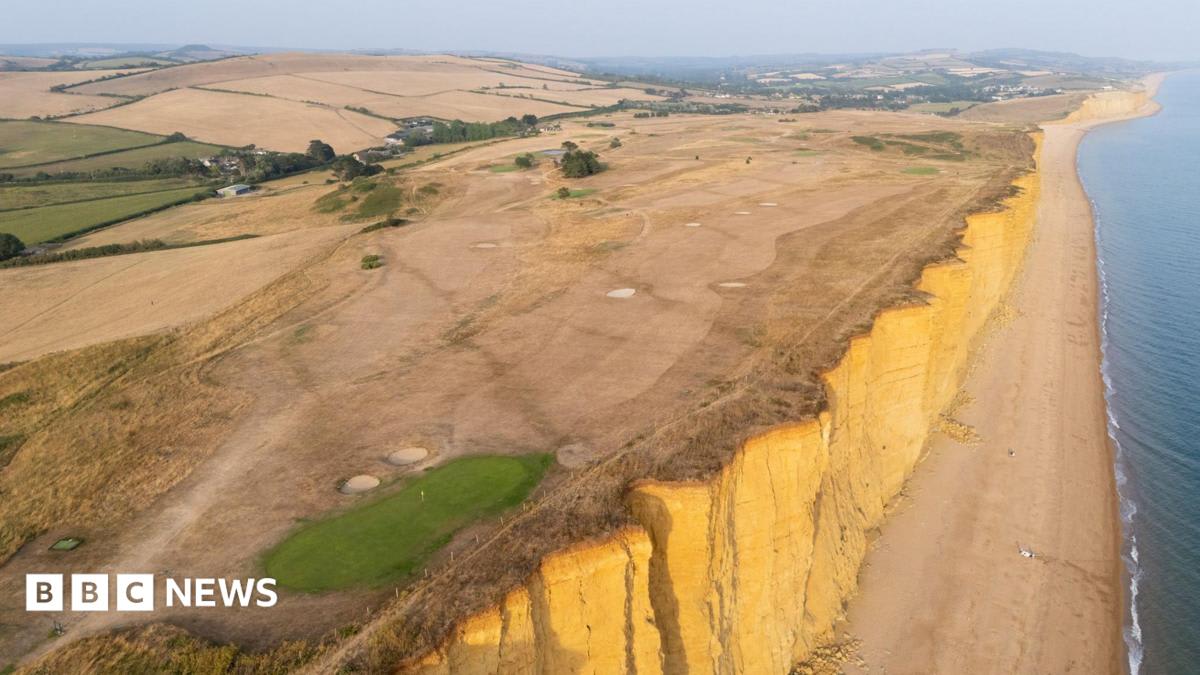
England has officially declared a drought following an extreme hot and dry spell that has depleted water reserves. Experts attribute this 'flash drought' to climate change, marking the third such event in just five years.
England Faces Critical Water Shortage as Flash Drought Declared
The Environment Agency (EA) has officially declared that more than half of England is now in a state of drought. This declaration follows an exceptionally hot and dry period that has exerted immense pressure on the nation’s natural resources, including rivers, agricultural crops, and broader ecosystems. The rapid onset of these conditions has triggered concerns regarding water security, as the combination of record-breaking temperatures and insufficient rainfall creates a dangerous deficit in moisture levels across the landscape.
The Anatomy of a 'Flash Drought'
Unlike traditional droughts that develop incrementally over several seasons or years, the current situation has been categorized as a "flash drought." This phenomenon occurs when a sudden, intense period of heat and low precipitation causes a rapid depletion of water reserves within soils, vegetation, and river systems. The accelerated rate of evaporation, driven by prolonged high temperatures, leaves the environment unable to recover, leading to a sudden shift in ecological stability.
A Concerning Frequency Trend
Perhaps most alarming is the increasing frequency of these environmental crises. The current 2026 declaration marks the third drought event in England within a five-year span, following previous incidents in 2022 and 2025. This pattern suggests a shift toward a more unstable climatic reality, where the interval between recovery periods is shrinking, leaving little time for reservoirs and groundwater levels to replenish sufficiently before the next heat wave strikes.
Climate Change as a Catalyst
While droughts have historically occurred as a natural feature of the British climate, scientists are increasingly pointing to anthropogenic climate change as a primary driver of the current intensity. Higher baseline summer temperatures are significantly drying out soils at an accelerated pace, which in turn exacerbates the severity and duration of drought events. This creates a feedback loop where the land’s ability to retain water is permanently compromised, leading to long-term implications for biodiversity.
Impact on Agriculture and Economy
The agricultural sector is currently bearing the brunt of these environmental shifts. Leaders such as Paul Tompkins, deputy president of the National Farmers' Union (NFU) of England and Wales, have highlighted the tangible strain these conditions place on farming operations. With crops failing and the natural environment under siege, the economic implications for food production and rural livelihoods are becoming increasingly dire. The farming community is now forced to contend with a landscape that is becoming progressively hostile to traditional cultivation methods.
Future Outlook and Conclusion
As England navigates this third drought in five years, the focus is shifting toward long-term resilience and water management strategies. The recurring nature of these "flash droughts" serves as a stark warning that current infrastructure may not be equipped for a warming world. Future trends suggest that without significant interventions in water storage, irrigation technology, and soil health management, the nation will likely face even more severe and prolonged droughts in the coming decade.