Putin unveils new AI-powered anti-drone ‘citadel’ as Zelensky escalates UAV war | Russia,Ukraine War
Source Entity
Latest News: Todays Latest News Headlines from India & World | Hindustan Times | Hindustan Times
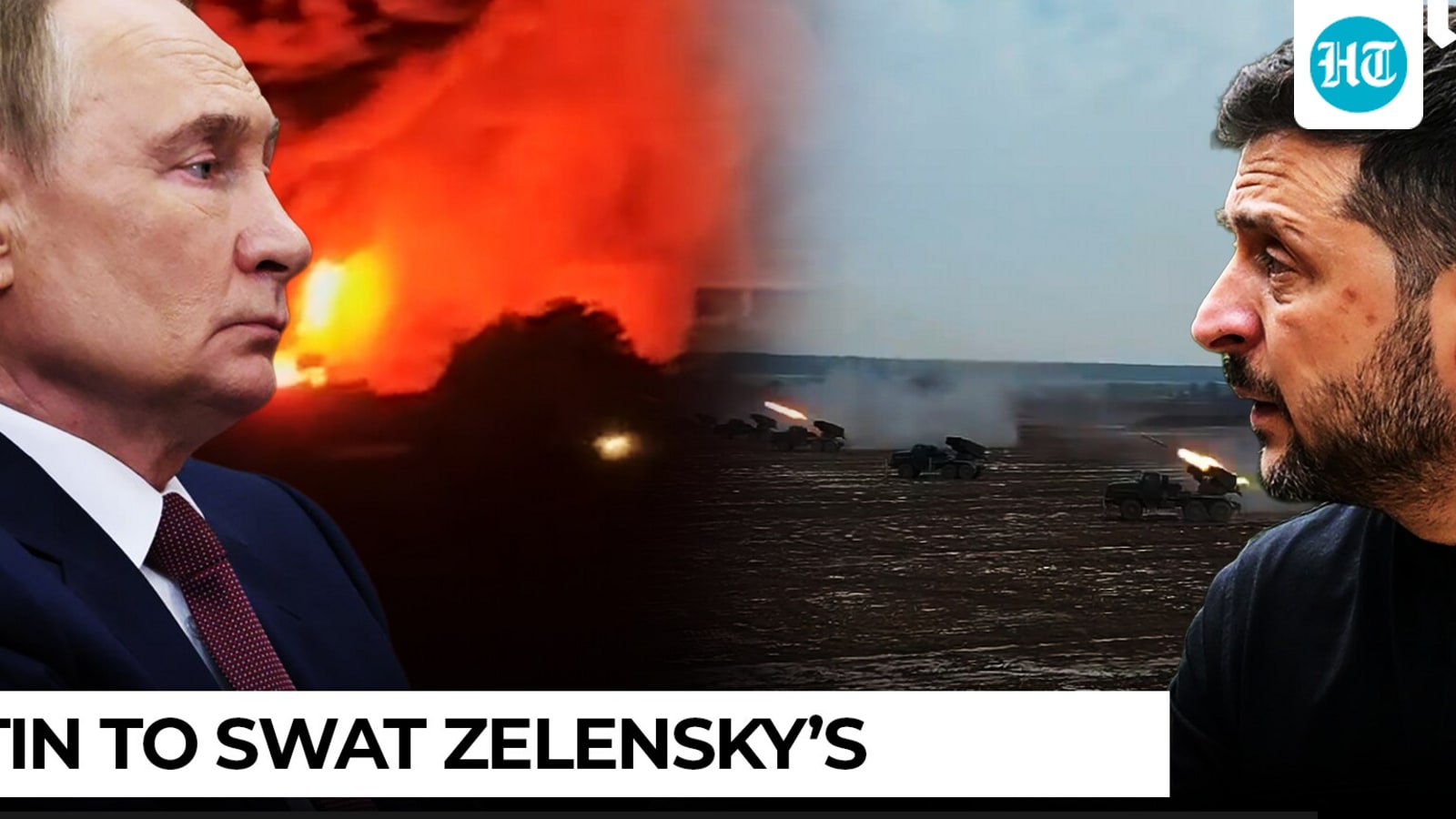
Russia has introduced the AI-powered ZAK-30 Citadel anti-drone system to combat Ukraine’s increasing UAV strikes. This development marks a significant shift toward automated battlefield defense as both nations escalate their drone warfare capabilities.
The Evolution of Drone Warfare in Ukraine
The ongoing conflict between Russia and Ukraine has transformed into a testing ground for next-generation military technology, specifically concerning Unmanned Aerial Vehicle (UAV) warfare. As Ukraine continues to leverage low-cost, high-impact drone strikes against critical infrastructure and military assets, Russia has responded by shifting its tactical doctrine. The recent unveiling of the ZAK-30 Citadel anti-drone system represents a calculated move to integrate artificial intelligence into the traditional layered defense framework, signaling a transition toward automated, real-time threat neutralization.
Integrating AI into Defensive Networks
The ZAK-30 Citadel is not merely a standalone weapon but a component of a broader, AI-driven defensive ecosystem. By utilizing advanced radar networks, the system aims to identify, track, and engage incoming UAVs with greater precision than human-operated systems could achieve alone. This integration of machine learning algorithms allows for faster processing of radar data, which is essential when countering swarms or agile, small-scale drones that characterize the current tactical environment in Ukraine.
Strategic Implications of the Citadel System
Russia’s deployment of the Citadel system reflects the growing necessity to protect high-value assets from asymmetric threats. As Kyiv escalates its UAV campaign, the cost-benefit analysis of military spending has shifted; traditional air defense missiles are often too expensive to use against cheap drones. The Citadel system appears to be an attempt to address this economic imbalance, providing a dedicated, AI-supported solution designed specifically to degrade the effectiveness of Ukraine's aerial incursions without depleting expensive strategic stockpiles.
The Shift Toward Automated Battlefield Defense
This development underscores a broader trend in global military affairs: the move toward autonomous defense. With the introduction of the ZAK-30, Moscow is attempting to mitigate the 'fog of war' by relying on algorithmic detection. This shift suggests that the future of the Russia-Ukraine war will be increasingly defined by the race between drone sophistication and the automated systems designed to defeat them, effectively turning the battlefield into a high-stakes competition between opposing software and sensor arrays.
Historical Context and Future Trajectory
Historically, anti-aircraft defenses were designed for large, radar-reflective manned aircraft. The proliferation of drones has forced a rapid adaptation of these systems. The Citadel system is the latest iteration of this adaptation, suggesting that Russia expects drone warfare to remain a permanent feature of the conflict. Looking ahead, the success of this technology will likely determine whether Ukraine can maintain its current pace of strikes or if it will be forced to develop even more advanced stealth or swarm tactics to bypass these new AI-powered shields.
Conclusion: A New Phase of Attrition
As the Russia-Ukraine war enters this new, technologically intensified phase, the ZAK-30 Citadel serves as a critical indicator of Moscow's defensive priorities. By heavily investing in AI-augmented anti-drone infrastructure, Russia is attempting to stabilize its lines against a persistent aerial threat. Whether this system can withstand the evolving nature of Ukraine's UAV tactics remains to be seen, but it is clear that artificial intelligence is now a central pillar in the ongoing struggle for air superiority over the battlefield.
Verification Required?