Bibi hails ‘one of the best’ meetings with Trump but rift in US-Israel ties obvious over Iran war?
Source Entity
Latest News: Todays Latest News Headlines from India & World | Hindustan Times | Hindustan Times
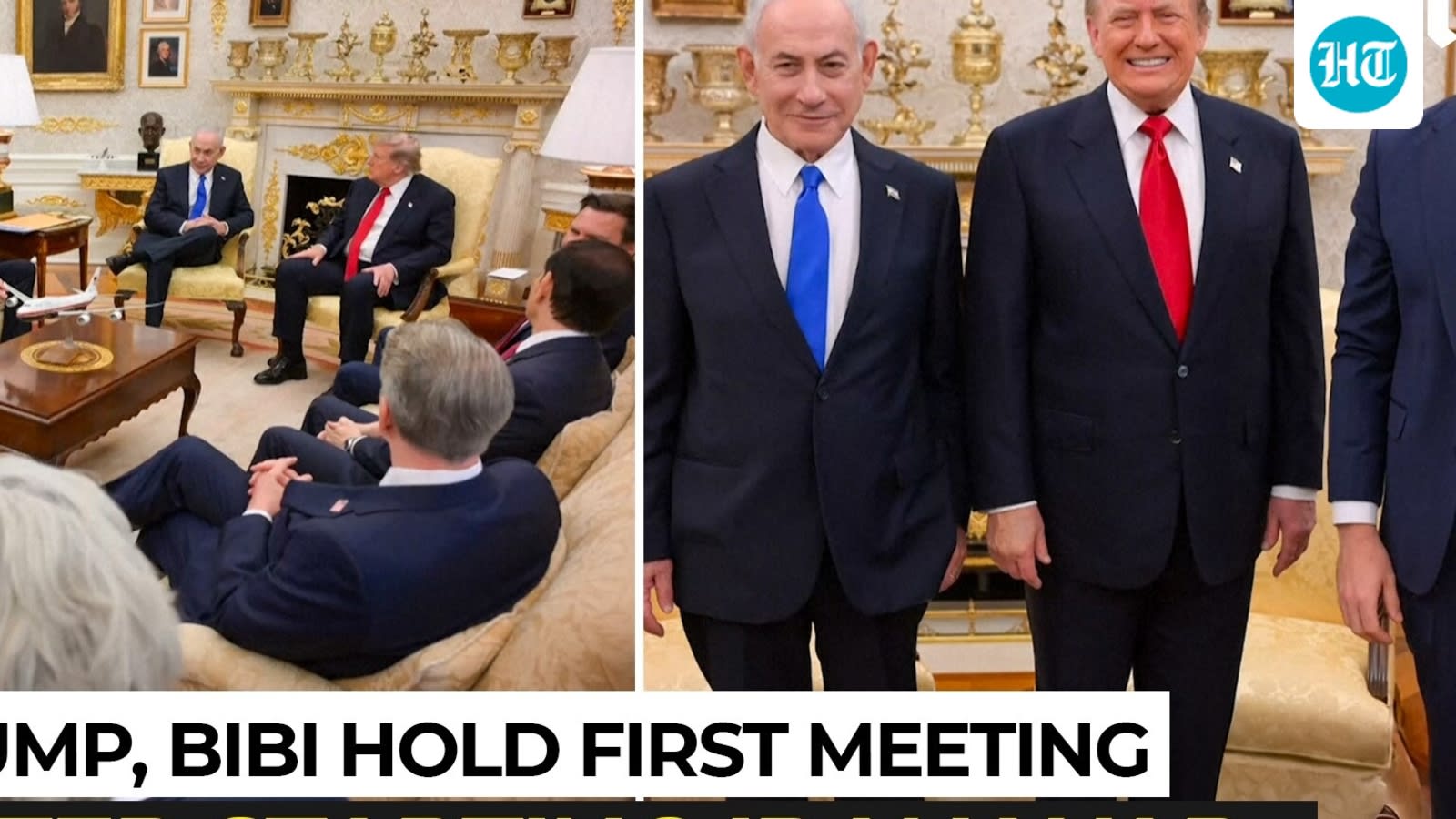
President Trump is holding high-stakes meetings with Israeli PM Netanyahu and Ukrainian President Zelenskyy amid converging conflicts. Tensions remain high as Israel presents intelligence on Iran's nuclear program while the Russia-Ukraine war nears critical operational developments.
The Convergence of Global Flashpoints
The geopolitical landscape is currently defined by a high-stakes diplomatic marathon at the White House, where U.S. President Donald Trump is engaging in pivotal discussions with Israeli Prime Minister Benjamin Netanyahu and Ukrainian President Volodymyr Zelenskyy. These meetings occur as the U.S.-Iran conflict and the Russia-Ukraine war show signs of strategic convergence, creating a complex web of military and diplomatic challenges that threaten to reshape international stability.
The 'Pickaxe' Dossier and Iranian Nuclear Tensions
Central to the discussions with Prime Minister Netanyahu is the emergence of a 'top-secret' intelligence file, referred to as the 'Pickaxe' dossier. This intelligence alleges renewed activity at Iran’s Pickaxe Mountain nuclear facility, a development that complicates the current climate of ceasefire negotiations. Netanyahu’s presentation of this dossier to President Trump serves as a strategic effort to align U.S. and Israeli policy regarding Iran's nuclear ambitions, even as Tehran maintains a defiant stance, asserting that it will never abandon its nuclear rights under external pressure.
The U.S.-Iran Standoff
President Trump’s current posture toward Iran is characterized by a precarious balance between military posturing and diplomatic restraint. While the U.S. has reportedly paused airstrikes against Iran to allow space for potential diplomatic breakthroughs, the regional environment remains volatile. The persistent threat posed by Iran’s advanced missile and drone programs continues to drive fears of further military escalation, forcing the administration to weigh the risks of a full-scale ground operation against the limitations of current containment strategies.
The Intersection of Conflicts
Perhaps the most significant development is the increasing overlap between the war in the Middle East and the conflict in Ukraine. The recent Ukrainian attack on an Iranian commercial asset highlights the tangible ways these two theaters of war are beginning to bleed into one another. As President Zelenskyy arrives in Washington seeking to secure continued support, his administration is navigating a global environment where the logistical and political resources of Western allies are being stretched across two major, non-linear conflicts.
Strategic Implications for Ukraine
For President Zelenskyy, the meeting with Trump comes at a time of both tactical success and strategic uncertainty. While Ukraine has been emboldened by recent deep-strike successes on Russian territory, the broader context of the U.S. being simultaneously embroiled in a standoff with Iran creates a difficult environment for maintaining long-term military commitment. The meeting is expected to focus on how Kyiv can sustain its momentum while the U.S. manages the competing demands of the Iranian theater.
Future Trends and Diplomatic Outlook
Looking ahead, the success of these diplomatic engagements will likely determine the trajectory of global security for the coming year. The 'best conversation' described by Netanyahu following his meeting with Trump suggests a unified front, yet the reality on the ground—characterized by Iranian defiance and the unpredictable nature of the Russia-Ukraine conflict—remains fluid. The coming weeks will be critical in determining whether the current diplomatic push can avert a wider regional conflagration or if the world is heading toward a period of sustained, multi-front military escalation.
Multiple Citing Sources
Verification Required?