The 1883 mongoose mistake that still threatens Hawaii’s native wildlife
Source Entity
TOI WORLD DESK
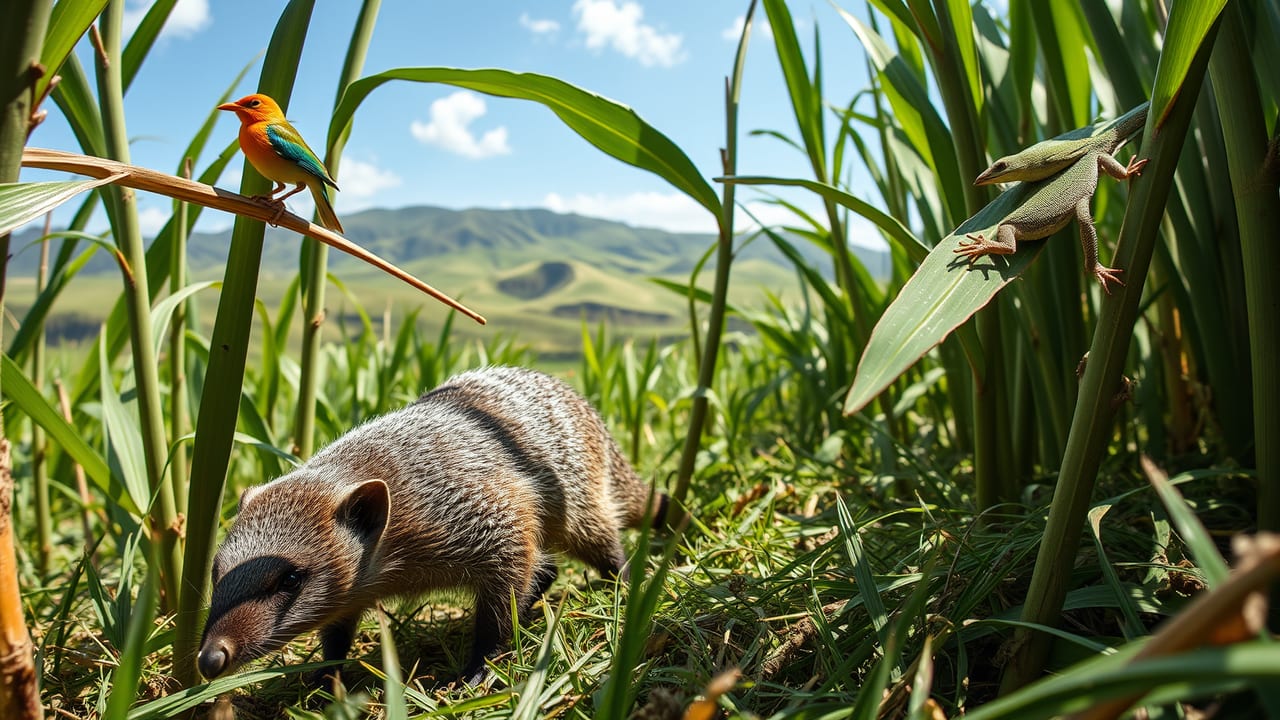
The introduction of mongooses to Hawaii in 1883 to control pests resulted in a catastrophic ecological error. Instead, these invasive predators began decimating native bird populations and reptiles, creating a persistent threat to the islands' biodiversity.
The Ecological Legacy of the 1883 Mongoose Introduction
In 1883, a decision was made to introduce mongooses to the Hawaiian Islands, a move intended to solve a specific agricultural problem. While the goal was likely to protect crops from pests, this action is now recognized as one of the most significant ecological blunders in the region's history. The introduction of a non-native predator into a fragile, isolated ecosystem triggered a chain reaction of biological degradation that continues to plague the islands more than a century later.
The Fundamental Flaw in the Plan
The core of the disaster lay in a basic mistake regarding the biological nature of the mongoose versus its intended prey. The plan failed to account for the behavioral patterns of the species being introduced. Instead of targeting the specific pests the authorities hoped to control, the mongooses found far easier and more accessible prey within the native Hawaiian environment. This discrepancy between the intended goal and the biological reality highlights the dangers of introducing species without comprehensive ecological research.
Devastation of Native Avian and Reptilian Life
Rather than aiding the agricultural sector, the mongooses pivoted their hunting habits toward Hawaii's unique native wildlife. This shift had a devastating impact on endangered Hawaiian birds, many of which evolved in an environment free of such mammalian predators and lacked the necessary defense mechanisms to survive. The predation extended beyond birds, as the mongooses also began targeting sea turtles and various native reptiles, further destabilizing the delicate balance of the island's fauna.
The Challenge of Eradication
Efforts to rectify this mistake have proven incredibly difficult. Removing mongooses from Hawaii is a complex task due to the species' adaptability and the rugged terrain of the islands. Once a non-native species becomes established in an ecosystem, the cost and logistical effort required for eradication grow exponentially. The persistence of the mongoose population demonstrates how a single short-sighted decision can create a permanent environmental crisis that resists modern intervention.
A Cautionary Tale for Modern Environmental Policy
This historical event serves as a critical cautionary tale that remains relevant today. The ongoing struggle in Hawaii underscores the absolute necessity of rigorous research before any non-native species is introduced into a new environment. As reflected in current public sentiment and expert consensus, the risks of biological invasion—ranging from the collapse of native species to the disruption of entire food webs—far outweigh the perceived short-term benefits of biological pest control.
Summary of Implications
Ultimately, the 1883 mongoose introduction illustrates the long-term consequences of ecological mismanagement. By failing to conduct proper research, authorities inadvertently traded a manageable agricultural nuisance for a permanent threat to biodiversity. The tragedy of Hawaii's endangered birds and reptiles stands as a stark reminder that nature's complexity requires humility and scientific precision when humans attempt to manipulate it.