After Aramco strike, Houthis mock MBS: 'Confused Saudi' blames Iran for everything? | Iran war, US
Source Entity
Latest News: Todays Latest News Headlines from India & World | Hindustan Times | Hindustan Times
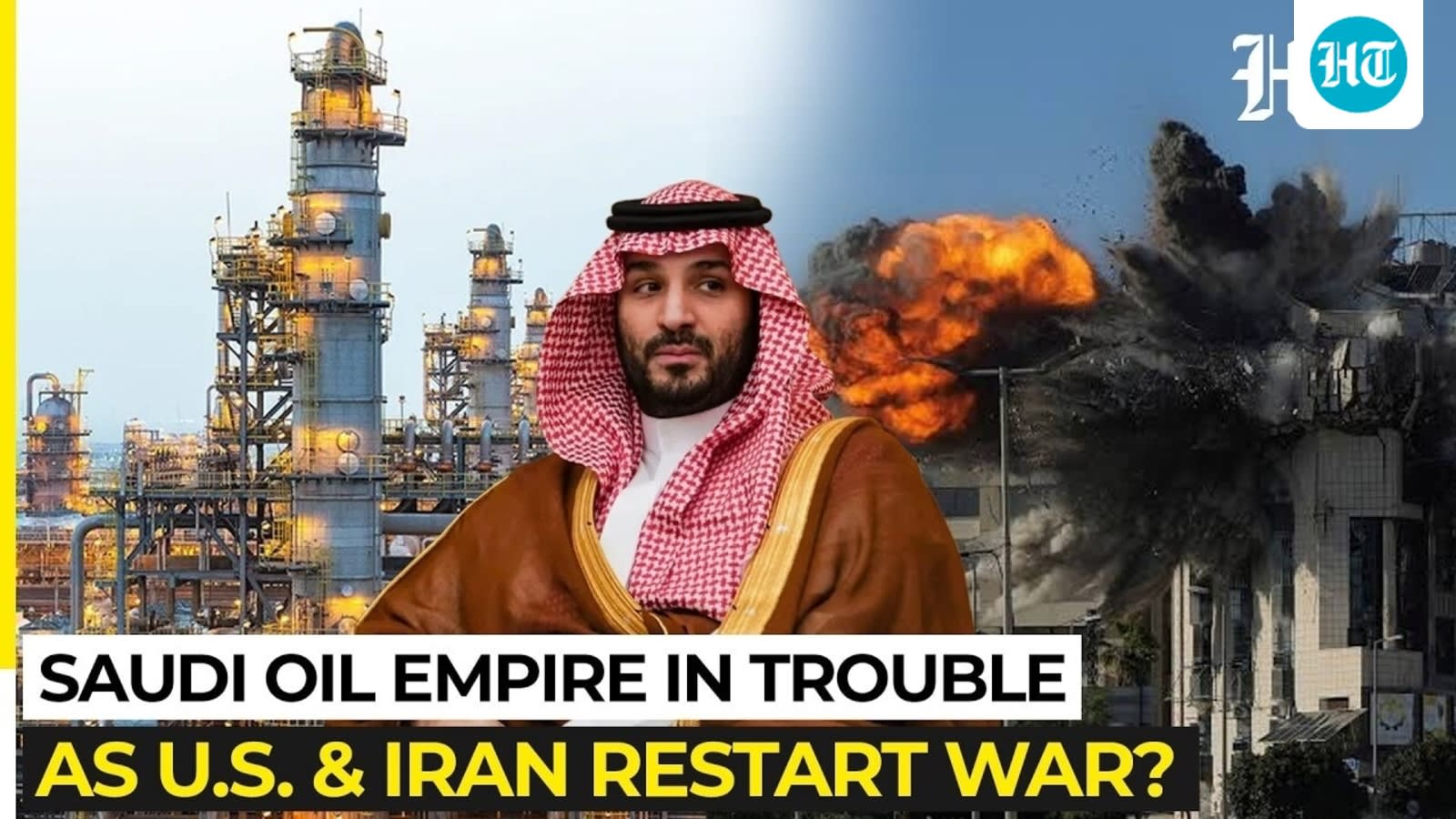
The Houthi movement has claimed responsibility for drone and missile strikes on Saudi Aramco facilities in Jizan and Yanbu. They mocked Saudi leadership for blaming Iran while warning that energy infrastructure remains a vulnerable target in the ongoing conflict.
Escalating Tensions in the Red Sea: The Aramco Strikes
Recent reports indicate that Yemen's Houthi movement has executed coordinated missile and drone strikes targeting Saudi Aramco facilities located in Jizan and Yanbu. This aggressive maneuver marks a significant escalation in the ongoing regional conflict, highlighting the persistent vulnerability of critical energy infrastructure within the Kingdom of Saudi Arabia. By directly targeting these industrial hubs, the Houthis aim to disrupt the economic lifeblood of the Saudi state, signaling a shift in tactics from localized border skirmishes to strategic, high-impact strikes.
The Rhetorical War: Mockery and Deflection
Beyond the physical impact of the strikes, the incident has triggered a sharp war of words. The Houthi movement has publicly mocked Saudi leadership, specifically referencing Crown Prince Mohammed bin Salman (MBS). The group accused Riyadh of a reflexive tendency to deflect blame onto Iran rather than addressing the root causes of the conflict or acknowledging the efficacy of Houthi military capabilities. This rhetoric serves as a psychological strategy to undermine the authority of the Saudi coalition and challenge the narrative that the Houthis are merely an Iranian proxy force.
Strategic Rationale: 'Siege for Siege'
Central to the Houthi justification for these attacks is their declared 'siege for siege' strategy. The movement contends that these strikes are a direct response to the long-standing blockade imposed on Yemen, which has resulted in a severe humanitarian crisis. By attacking Aramco facilities, the Houthis seek to impose a tangible cost on the Saudi government, attempting to link the security of global energy supplies directly to the lifting of restrictions on Yemeni ports and territories.
Vulnerability of Energy Infrastructure
These attacks underscore the inherent difficulties in protecting sprawling energy infrastructure from asymmetric warfare. Despite significant investment in air defense systems, the use of low-cost, long-range drones and cruise missiles by the Houthis has consistently bypassed traditional security perimeters. The vulnerability of facilities in Jizan and Yanbu—major hubs for oil processing and shipping—poses a persistent threat to global energy market stability, as any sustained disruption in Saudi output can lead to immediate price volatility.
Regional Implications and Future Outlook
As Red Sea tensions escalate, the broader Middle East faces an increasingly precarious security environment. The involvement of multiple regional actors and the constant specter of a wider war involving the U.S. and Iran complicate diplomatic efforts to reach a ceasefire. The future trajectory of this conflict suggests that until a political resolution is found for the Yemeni civil war, energy infrastructure will remain a primary target for regional militias looking to exert leverage. Observers should expect continued volatility as the 'siege for siege' dynamic persists, further entrenching the cycle of violence and economic disruption in the region.
Verification Required?