India launches first direct container freight train to Nepal, carrying 1,225 tonnes of canola from Kolkata port
Source Entity
Dheeraj Mishra
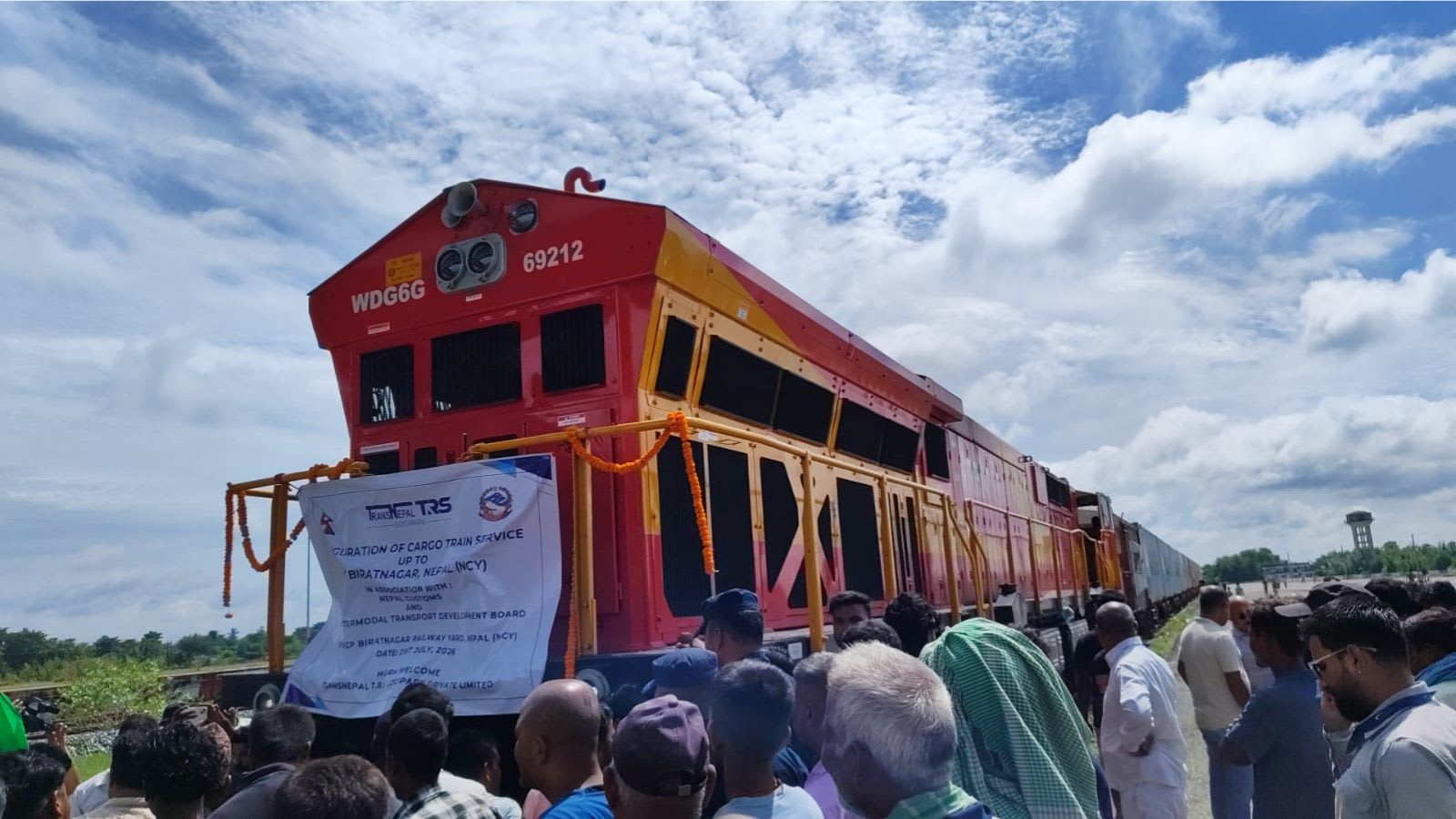
India has launched its first direct container freight train to Nepal, transporting 1,225 tonnes of canola from Kolkata to Biratnagar. This milestone follows the 2023 inauguration of the Jogbani-Biratnagar rail link, marking a significant advancement in cross-border logistics.
Strengthening Indo-Nepal Connectivity: The First Direct Freight Train
India has officially inaugurated its first direct commercial container freight train service to Nepal, a development that signifies a major shift in the logistical landscape of South Asia. The inaugural shipment, consisting of 1,225 tonnes of canola, successfully traveled from the Kolkata Port to the Biratnagar customs yard. This operation, utilizing 40 wagons, marks a transition toward more efficient, rail-based cross-border trade, moving away from traditional, more cumbersome road-based transit methods.
The Foundation: The Jogbani-Biratnagar Rail Link
This historic freight movement is deeply rooted in the strategic infrastructure development initiated by the Jogbani-Biratnagar broad gauge rail line. Inaugurated in June 2023 by Prime Minister Narendra Modi and former Prime Minister of Nepal Pushpa Kamal Dahal, this 18.60-km link serves as the critical artery for this new service. Originally sanctioned in the 2010-11 fiscal period, the line was constructed under India’s grant assistance program, reflecting a long-term commitment to enhancing Nepal’s connectivity to international maritime hubs.
Streamlining Cross-Border Logistics
The efficiency of this maiden voyage is notable, with the rake booked on July 19 and successfully cleared from Nepal by July 25 after unloading. By facilitating direct rail transit, the Indian Railways is effectively reducing the transit time and costs associated with transshipment at border points. This logistical upgrade is expected to lower the price of essential commodities for Nepali consumers and improve the competitiveness of goods exported through Indian ports.
Economic Implications for the Region
Beyond the immediate transport of agricultural products like canola, this initiative sets a precedent for broader trade integration. Historically, Nepal’s reliance on road freight has faced challenges related to capacity constraints and border congestion. The shift to rail-based freight provides a scalable solution that can accommodate larger volumes, thereby strengthening the economic interdependence between the two nations and supporting Nepal’s industrial growth in the Biratnagar region.
Future Trends in Regional Connectivity
As this rail link matures, it is likely that Indian Railways will expand the scope of commodities transported, potentially including industrial raw materials and consumer goods. The success of this pilot run suggests that similar projects could be replicated to further integrate the economies of India and Nepal. By leveraging infrastructure as a tool for diplomacy and economic growth, both nations are positioning themselves to capitalize on a more interconnected South Asian market, paving the way for future developments in regional trade corridors.