Iran hosts Hormuz calls with Saudi Arabia, Oman as Trump hails ‘good talks’
Source Entity
US Top News and Analysis
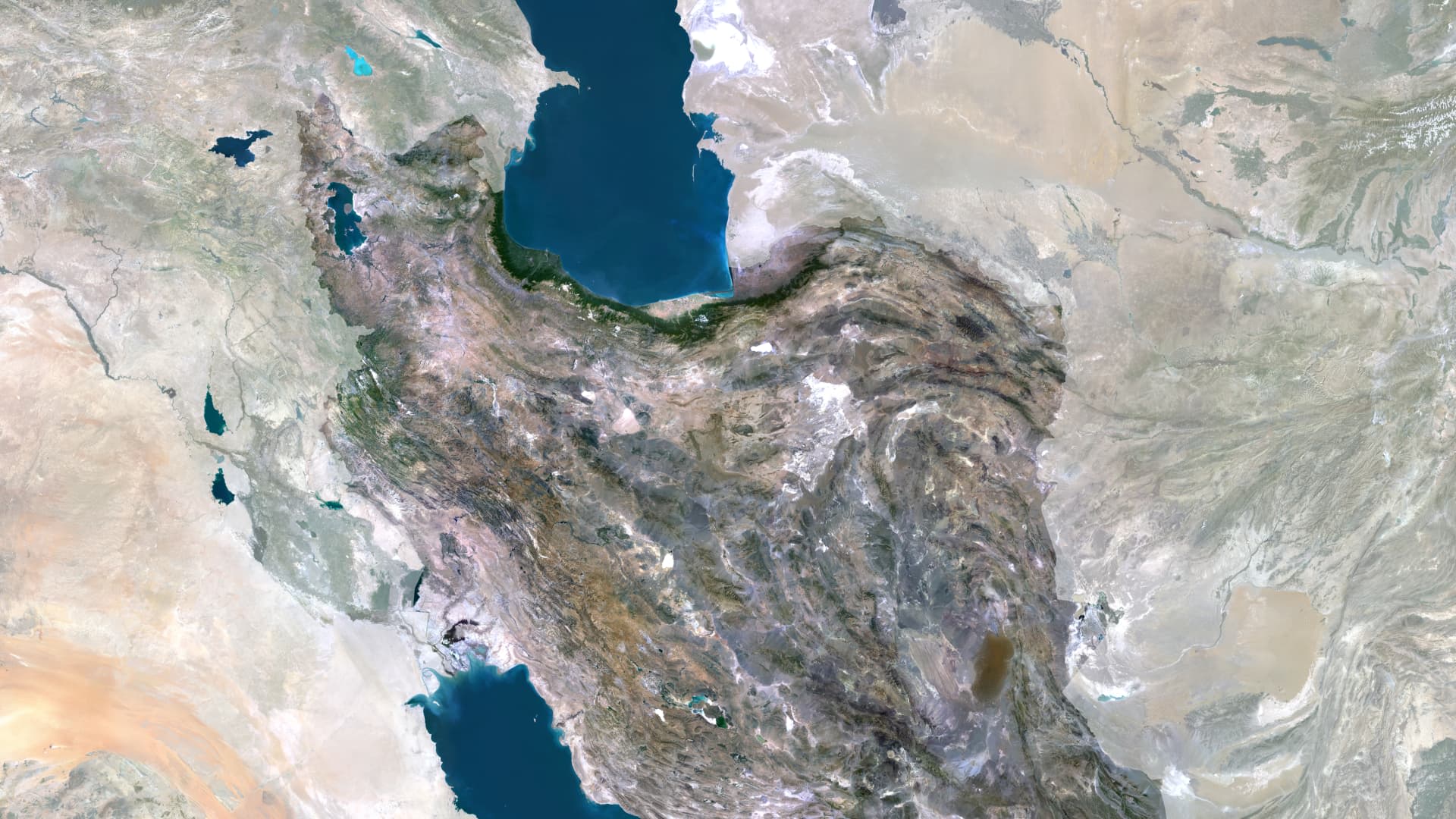
Iran is engaging in high-level diplomatic talks with Saudi Arabia and Oman to address the future of the Strait of Hormuz amid ongoing US-Iran conflict. While President Trump has expressed cautious optimism for a breakthrough, he maintains a firm stance, warning of continued military pressure if negotiations fail.
The Geopolitical Crossroads of the Strait of Hormuz
Recent diplomatic maneuvering involving Iran, Saudi Arabia, and Oman has brought the strategically vital Strait of Hormuz back to the forefront of international attention. As the conflict between the United States and Iran enters its fifth month, the maritime passage—a critical artery for global energy supplies—has become the focal point of intense negotiations. Iranian Foreign Minister Seyyed Abbas Araqchi has engaged in direct discussions with his counterparts from Saudi Arabia and Oman, signaling a potential shift toward regional mediation as a means to de-escalate the broader regional war.
The Role of Regional Intermediaries
Oman has emerged as a particularly pivotal actor, reportedly proposing a management plan for the Strait of Hormuz modeled after the Malacca Straits. This proposal seeks to dilute Iran's sole grip on the passage, a move that could potentially alleviate security concerns for Gulf neighbors and international shipping interests. By involving Saudi Arabia in these discussions, there is a clear effort to leverage regional influence to stabilize maritime traffic, which has been severely disrupted since the onset of the conflict.
US Stance and the Pressure of Diplomacy
President Donald Trump has acknowledged these ongoing talks, noting a "good chance" of a breakthrough. However, this optimism is tempered by a stark warning: the United States remains prepared to resume its military campaign if these diplomatic efforts do not yield a concrete conclusion. The US CENTCOM, which has conducted consecutive nights of attacks targeting Iranian infrastructure, remains a constant shadow over the negotiation table, creating a high-stakes environment where diplomacy must succeed to avoid further escalation.
Strategic Implications of the Conflict
The ongoing war has created a climate of profound uncertainty, characterized by intermittent ceasefires and stalled mediation attempts. The Strait of Hormuz is not merely a geographic chink in the regional armor but a vital economic lifeline. Any progress in these talks represents a potential departure from the current trajectory of kinetic warfare. The involvement of Saudi Arabia alongside Oman suggests a coordinated Gulf effort to find a regional solution to a problem that has historically required external intervention.
Future Trends and Outlook
The future of the Strait remains contingent on whether Iran can reconcile its regional security objectives with the demands of international stakeholders. The transition from military confrontation to a diplomatic framework hinges on the viability of the Omani-led proposals. If these discussions successfully lead to a shared management or security agreement, it could signify a major de-escalation in the US-Iran war. Conversely, the failure to reach a consensus, as warned by President Trump, likely guarantees a return to the status quo of military strikes and heightened regional volatility.
Multiple Citing Sources