What is Oman-Iran Hormuz fee proposal, and can it break nuclear talks deadlock
Source Entity
The Indian Express
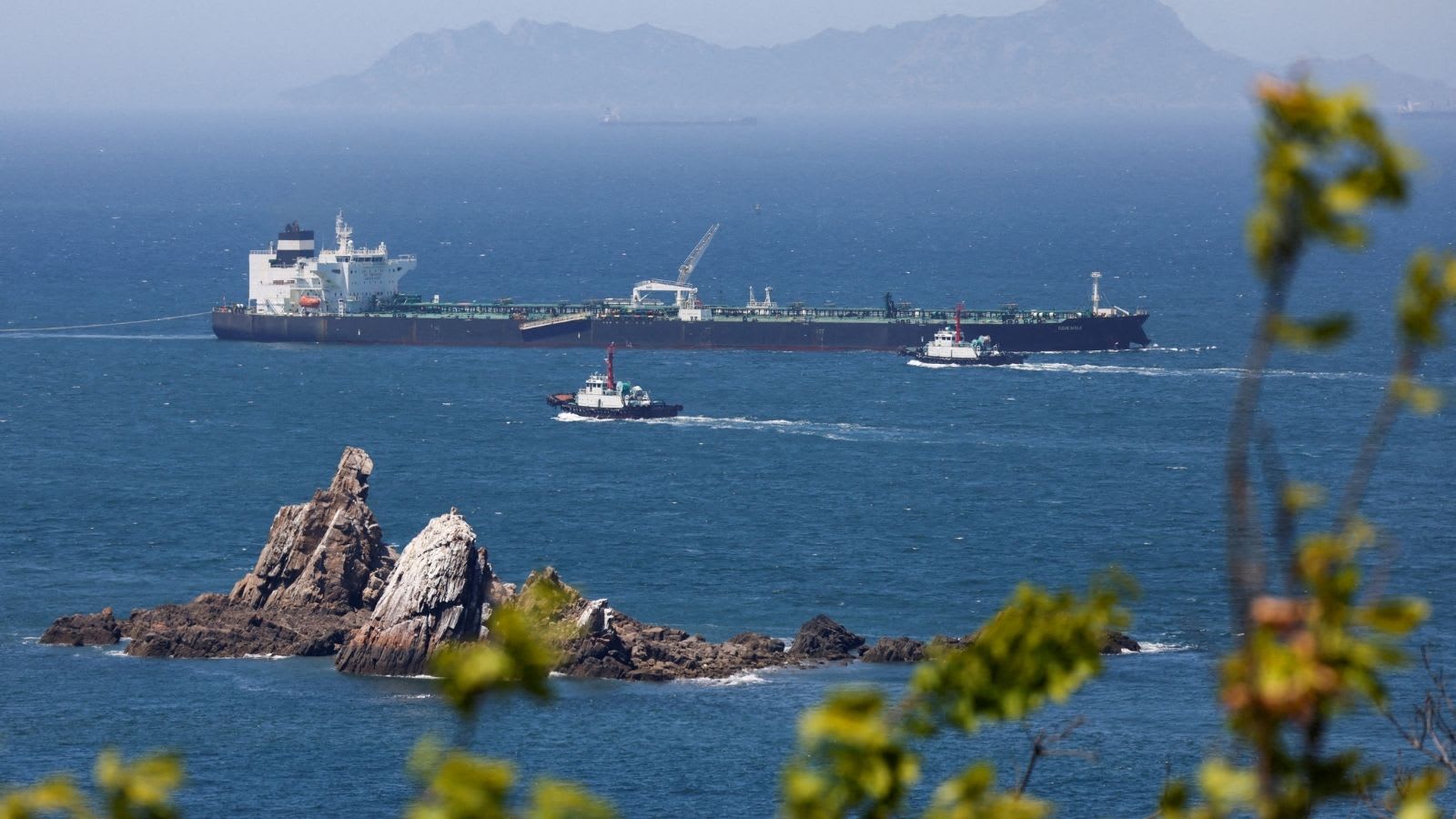
Oman and Iran are exploring a proposal to implement transit fees for vessels in the Strait of Hormuz to foster regional stability. This diplomatic initiative occurs against a backdrop of conflicting narratives between Washington and Tehran regarding the status of direct negotiations.
Diplomatic Maneuvering in the Strait of Hormuz
Recent reports indicate that Iran and Oman are actively discussing a proposal to levy fees on vessels transiting the Strait of Hormuz. As the two primary littoral states, Iran and Oman seek to establish mechanisms that ensure safe navigation through this critical global energy chokepoint. While the proposal is currently framed by Iranian officials as an independent regional initiative, its timing suggests a potential attempt to create a buffer of stability amidst the ongoing five-month regional conflict.
The Deadlock and Regional Diplomacy
Despite the persistent stalemate in formal nuclear and security talks between Washington and Tehran, Iranian Foreign Ministry spokesperson Esmaeil Baghaei has characterized the ongoing discussions with Oman as "constructive." By distancing these specific talks from direct US involvement, Iran appears to be testing a multilateral approach to regional security. This strategy may serve as an attempt to de-escalate tensions by focusing on shared maritime interests rather than the highly contentious issues of nuclear enrichment and sanctions.
Conflicting Narratives and Public Messaging
Parallel to these regional discussions, a stark disconnect has emerged in public discourse. US President Donald Trump has publicly claimed that “very friendly negotiations” are underway with Iran, citing a recent lull in military strikes as evidence of diplomatic progress. Conversely, Iranian officials have consistently denied that any direct negotiations are occurring. This divergence in messaging highlights the high-stakes information war that often accompanies back-channel diplomacy.
The Role of Mediators and Military Pauses
President Trump’s recent decision to pause US military strikes on Iran was reportedly prompted by requests from intermediaries to allow space for dialogue. The subsequent three-day cessation of hostilities has provided a fragile window for potential progress. However, the President has explicitly warned that should these alleged negotiations fail to yield results, the US is prepared to return to its previous military posture. This ultimatum underscores the volatility of the current situation.
Broader Implications and Future Trends
The proposal to regulate transit through the Strait of Hormuz carries significant weight for global energy markets. As a vital artery for crude oil transport, any change in the management of these waters could have ripple effects on international trade. If successful, the Oman-Iran initiative could establish a new framework for regional cooperation that bypasses the current US-Iran impasse. Conversely, if the lack of transparency and conflicting public claims continue, the risk of a miscalculation leading to a resumption of hostilities remains high.
Conclusion: A Fragile Path Forward
Ultimately, the situation remains a complex intersection of regional maritime governance and global power dynamics. While the proposal for transit fees offers a potential avenue for de-escalation, the fundamental lack of consensus on the existence and nature of direct US-Iran talks continues to cast a shadow over diplomatic efforts. The coming weeks will be critical in determining whether these regional discussions can serve as a foundation for broader peace or if the current lull is merely a temporary pause in a larger cycle of conflict.
Multiple Citing Sources