What Are Limpet Mines That Were Used To Hit Tanker Carrying Indians In Hormuz?
Source Entity
NDTV News Search Records Found 1000
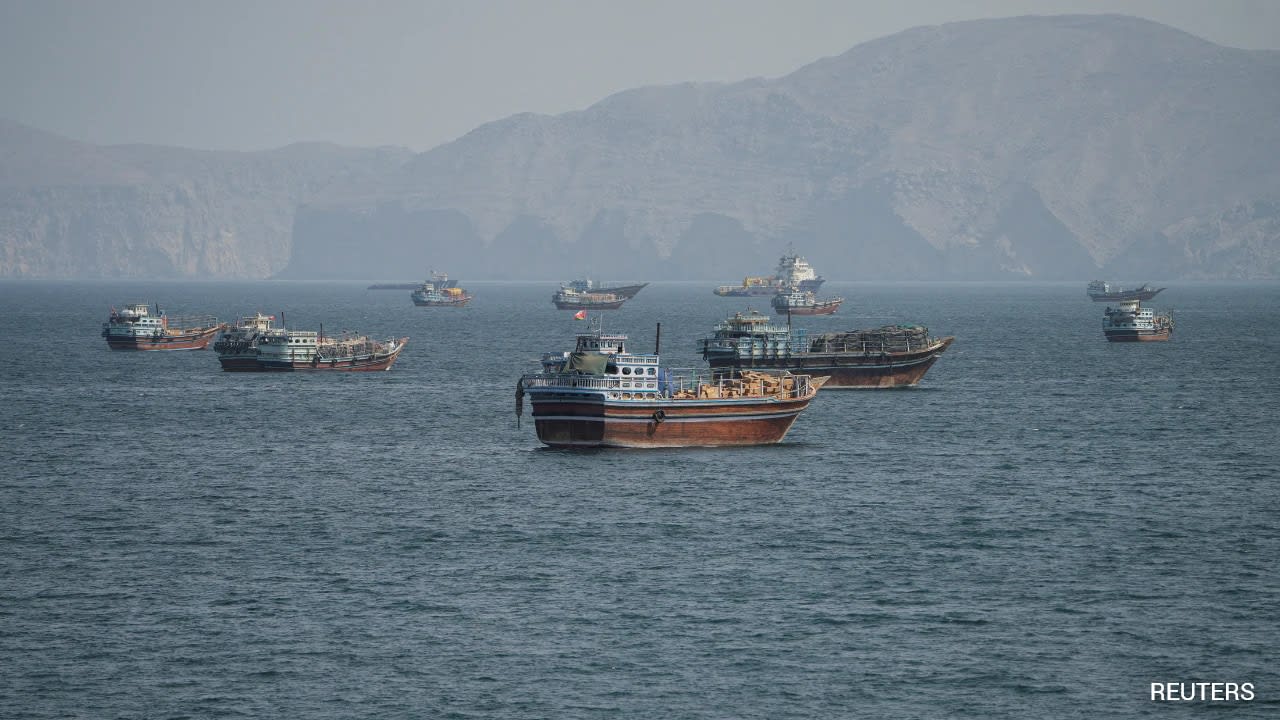
Tensions in the Strait of Hormuz have surged as Iranian-linked mine and missile attacks target commercial tankers. Despite these security threats, crude oil shipments continue as tankers brave the dangerous route under U.S. military protection.
Escalating Maritime Warfare in the Strait of Hormuz
The Strait of Hormuz, a vital artery for global energy, has become the primary theater for a volatile conflict between the United States and Iran. Following a series of incidents in late October, where vessels including the MT LOUISE 1 and MT ARZANAH were targeted by limpet mines and projectile strikes, the security situation has deteriorated significantly. These attacks, which involved 29 Indian seafarers who have since been reported safe, represent a tactical shift in the ongoing hostilities that began in February.
The Strategic Chokepoint
As one of the most critical oil transit routes in the world, the Strait of Hormuz connects the Persian Gulf to the Gulf of Oman and the Arabian Sea. Since the onset of the U.S.-Iran conflict, this narrow passage has been subjected to repeated security breaches. The use of limpet mines against the Panama-flagged MT LOUISE 1 marks a notable escalation in the sophistication of regional maritime warfare, signaling Tehran's intent to disrupt global supply chains through asymmetrical tactics.
Economic Impacts and Global Energy Flows
In the early stages of the conflict, Iran’s campaign to choke off oil exports was largely successful, with crude flows dropping from 16 million barrels per day (bpd) to 1.8 million bpd by March. However, the dynamics have shifted as the U.S. military has increased its protective presence, escorting tankers through the danger zone. Despite the current spike in attacks—the highest frequency recorded since the war began—tankers continue to operate, driven by surging freight rates that incentivize companies to traverse the contested waters.
Geopolitical Ramifications and U.S. Politics
This maritime instability is unfolding against the backdrop of critical political developments, including the recent U.S. midterm elections. Regional analysts are watching closely as the U.S. weighs potential military responses against Tehran. While Vice President JD Vance has expressed interest in reopening diplomatic channels, the current military reality on the ground, compounded by Yemen's Houthi rebels launching missile strikes on Saudi Arabia, suggests that the conflict remains dangerously prone to expansion.
The Future of Regional Stability
Looking ahead, the tension between military escalation and diplomatic negotiation remains the defining feature of this crisis. Iran’s insistence that its shipping lanes are not secure, while disputing U.S. claims of clearance, highlights the persistent information war that accompanies the physical combat. As regional officials monitor the Nov. 3 vote and its aftermath, the safety of commercial transit will likely remain hostage to the broader strategic calculations of both Washington and Tehran.
Conclusion
The situation in the Strait of Hormuz remains a high-stakes standoff. While tankers currently demonstrate a resilience to Iranian attacks, the intensification of mine usage and projectile strikes suggests that the maritime environment is becoming increasingly hostile. The safety of international crews and the stability of global oil markets depend heavily on whether the current U.S. military protection can deter further Iranian aggression or if the conflict will necessitate a more profound diplomatic or military intervention.
Verification Required?