Japan earthquake: Aerial footage captures collapsed building, 400-year-old castle in ruins
Source Entity
The Indian Express
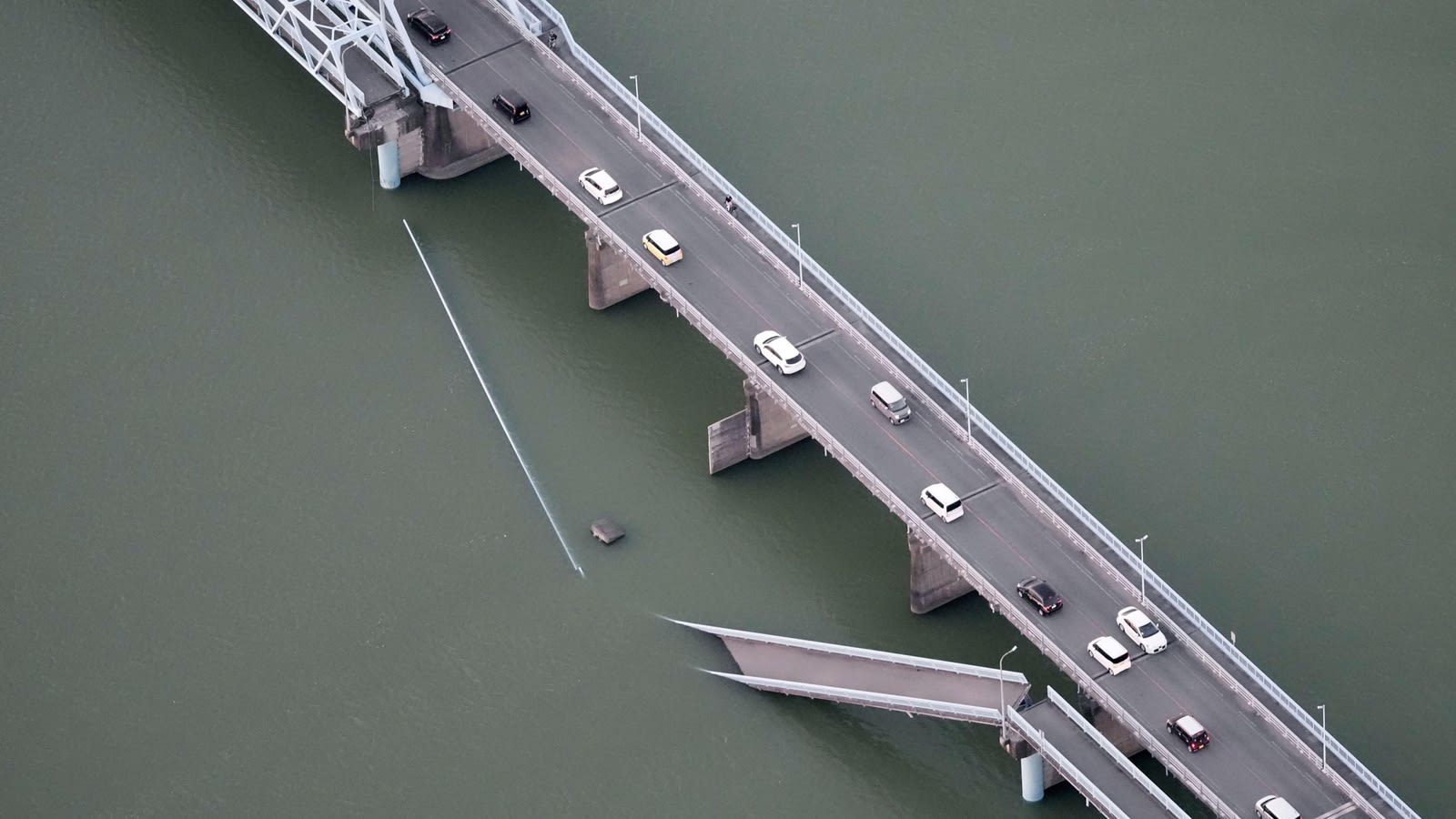
A significant earthquake in Japan has caused widespread destruction, notably resulting in collapsed buildings and damage to historic landmarks. The event highlights the urgent need for disaster resilience in regions prone to seismic activity.
The Devastating Impact of Japan's Recent Seismic Event
Japan, a nation uniquely positioned along the volatile 'Ring of Fire,' has once again been tested by the sheer force of nature. Recent aerial footage has confirmed the harrowing reality of a powerful earthquake, which has left a trail of destruction in its wake. Among the most visible casualties are modern residential structures that have succumbed to the tremors, as well as culturally significant landmarks, including a 400-year-old castle now reduced to ruins.
Architectural Resilience and Historical Loss
While Japan is globally recognized for its stringent building codes and earthquake-resistant engineering, no infrastructure is entirely immune to high-magnitude seismic events. The collapse of modern buildings serves as a somber reminder of the limitations of disaster mitigation. Furthermore, the destruction of a 400-year-old castle represents an irreplaceable loss of heritage, underscoring how natural disasters can erase centuries of history in a matter of seconds.
The Geopolitical and Economic Context
Beyond the immediate physical devastation, such events exert significant pressure on the Japanese economy and government resources. Disaster response in Japan is highly sophisticated, yet the scale of destruction often requires massive mobilization of the Self-Defense Forces and local emergency services. This event will likely trigger a renewed national debate regarding urban planning and the preservation of historical sites in high-risk seismic zones.
Historical Precedents and Future Trends
Japan’s history is punctuated by seismic activity, from the Great Kanto Earthquake of 1923 to the 2011 Tohoku earthquake and tsunami. These disasters have historically informed Japan's global leadership in seismic technology and disaster preparedness. Moving forward, the focus will likely shift toward upgrading older, non-compliant structures and enhancing the structural integrity of historical monuments to ensure they can withstand future tremors.
Conclusion: Assessing the Aftermath
The path to recovery for the affected regions will be long and arduous. As emergency crews continue to assess the damage via aerial surveillance, the primary priority remains the safety of survivors and the restoration of essential services. This tragedy serves as a poignant reminder of the necessity for continuous investment in disaster resilience and the ongoing challenge of protecting both human life and cultural legacy in an unpredictable natural landscape.