Earthquake Leaves Trail of Damage in Japan's Kumamoto Prefecture
Source Entity
Latest News: Todays Latest News Headlines from India & World | Hindustan Times | Hindustan Times
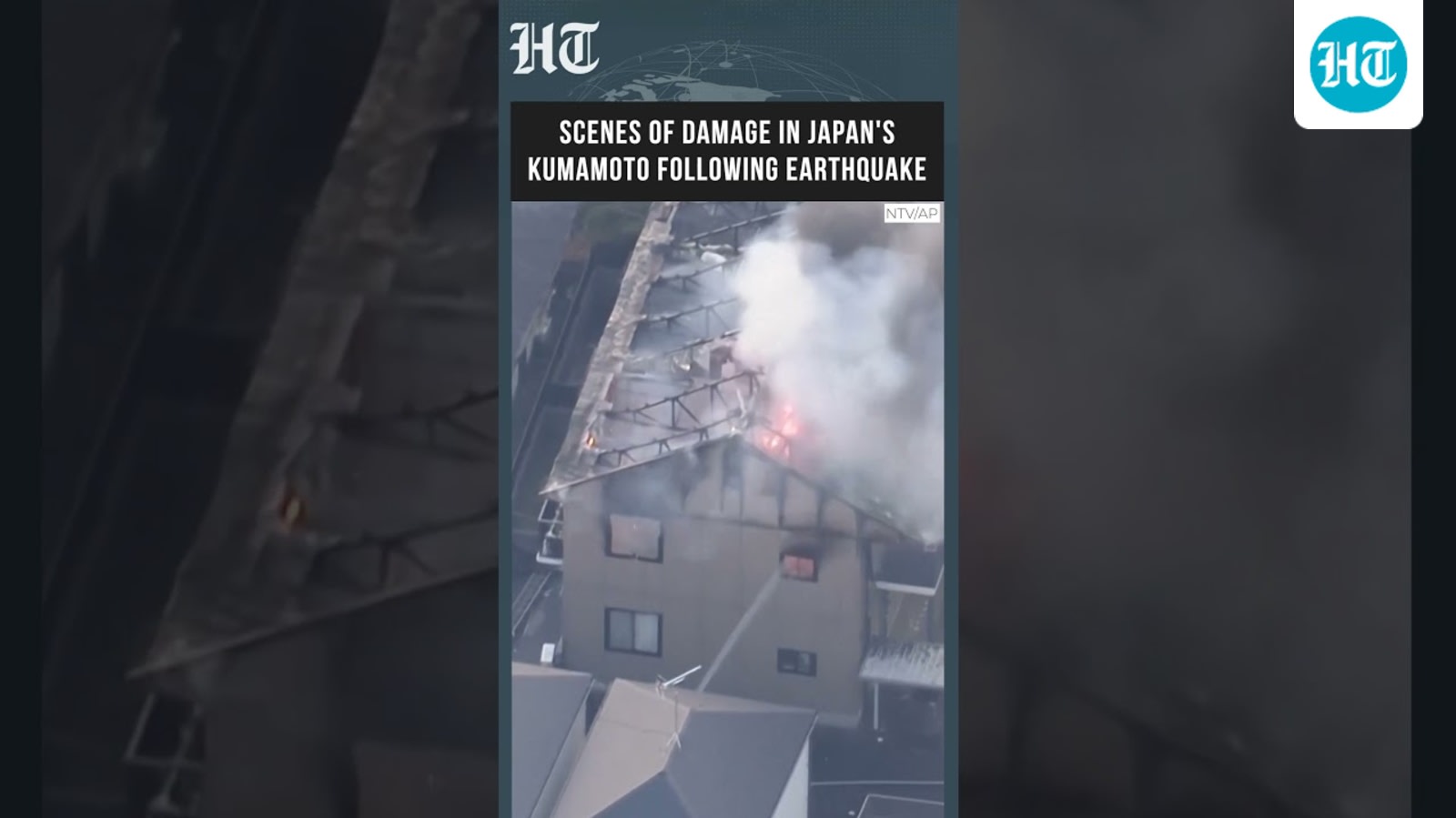
A powerful 7.1-magnitude earthquake in Japan's Kumamoto Prefecture has caused a shopping mall collapse and a secondary explosion, leaving dozens trapped. Emergency operations are underway as authorities warn of continued aftershocks and widespread infrastructure damage.
Disaster Strikes Kumamoto: A Detailed Overview
On Tuesday, a powerful 7.1-magnitude earthquake struck Japan’s Kumamoto Prefecture, triggering a cascade of structural failures and emergency incidents across the region. The seismic event has caused significant damage to local infrastructure, with one of the most critical sites being an Aeon shopping mall where a partial floor collapse and a subsequent, unexplained explosion have left multiple individuals trapped and feared dead.
The Human Impact and Rescue Operations
The immediate aftermath of the quake has centered on urgent search and rescue efforts. Reports indicate that at least 50 people have sustained injuries, and authorities are currently working to extract those caught within the debris of the collapsed shopping complex. While initial evacuations were performed by mall staff, the secondary blast has complicated the situation significantly. Officials are currently balancing the need for rapid rescue with the inherent risks posed by ongoing, dangerous seismic activity in the area.
Infrastructure and Regional Disruption
Beyond the specific tragedy at the mall, the earthquake has left a broad trail of destruction across the Kumamoto Prefecture. Transportation networks have been severely disrupted, hindering the arrival of emergency personnel and supplies. The widespread nature of the damage suggests that the regional economy and daily operations will face significant downtime as local authorities shift from immediate crisis response to long-term impact assessment and recovery planning.
The Threat of Aftershocks
Japanese officials and meteorological agencies have issued stern warnings regarding the high probability of aftershocks. In a region historically familiar with tectonic instability, the current situation remains fluid. The government has urged residents to remain vigilant and follow evacuation protocols, as the potential for further structural compromise remains a primary concern for emergency managers overseeing the affected zones.
Government Response and Future Implications
Prime Minister-led coordination efforts are currently underway to streamline the disaster response. The focus remains on stabilizing the site of the mall explosion and ensuring that the most vulnerable populations are moved to safety. As the nation grapples with this event, the focus will likely turn toward investigating the cause of the mall explosion and reviewing the structural integrity of public buildings in the prefecture to prevent future casualties of this nature.
Conclusion
The situation in Kumamoto remains critical as rescue teams work against the clock. The combination of a high-magnitude tremor, structural collapse, and an secondary explosion marks this as a significant disaster. As recovery efforts progress, the resilience of Japan's disaster management systems will be tested, with the primary objective remaining the safety and evacuation of all residents impacted by this catastrophic event.
Multiple Citing Sources
Verification Required?