Watch: Kim Jong Un Joins Veterans for 73rd Korean War Armistice Commemoration
Source Entity
Latest News: Todays Latest News Headlines from India & World | Hindustan Times | Hindustan Times
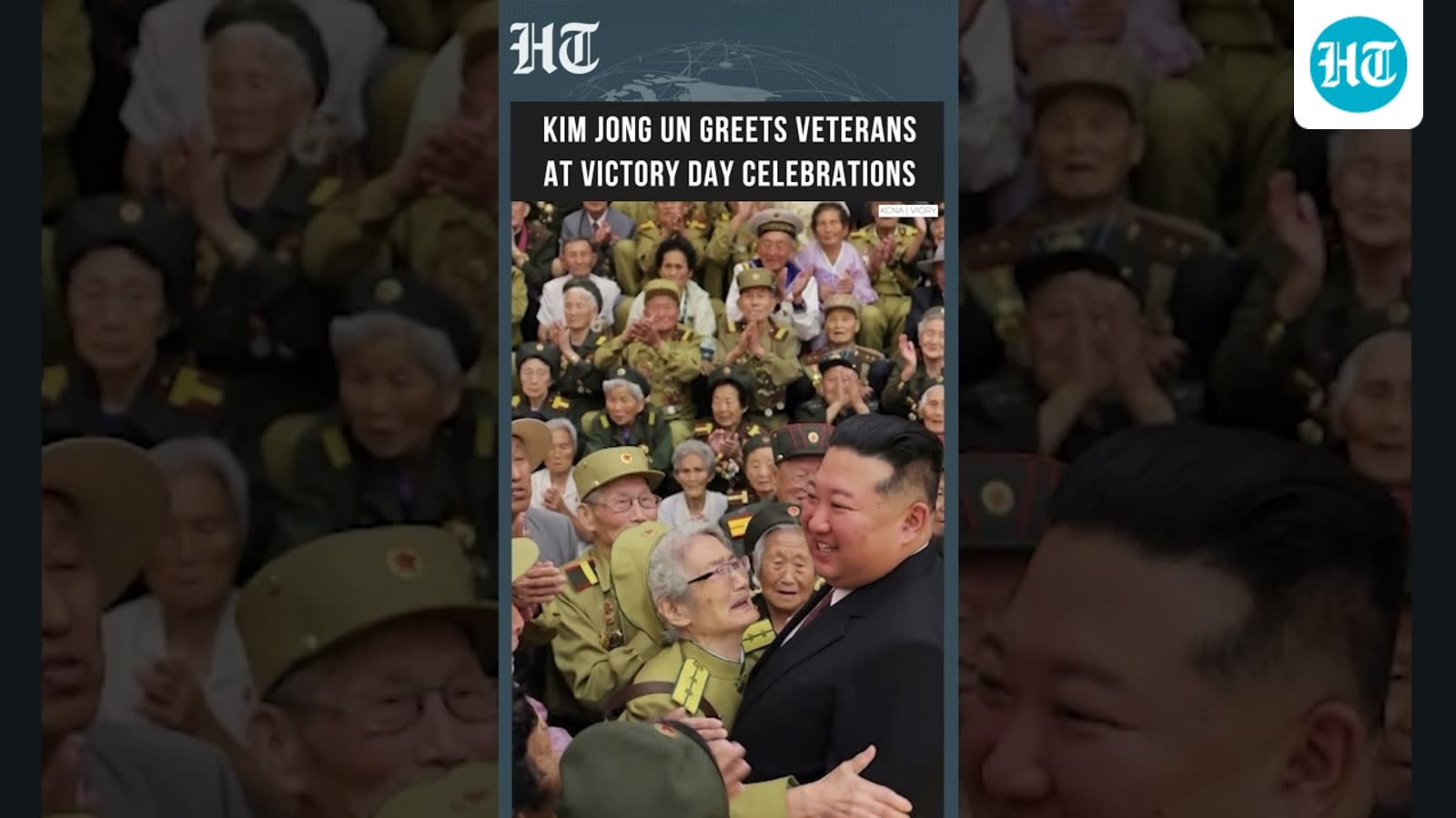
North Korean leader Kim Jong Un marked the 73rd anniversary of the Korean War armistice by honoring veterans in Pyongyang. The state-observed 'Day of Victory' featured parades and ceremonies reinforcing the regime's ideological focus on wartime legacy.
Honoring the 73rd Armistice: Pyongyang's Symbolic Commemoration
North Korean leader Kim Jong Un recently presided over events in Pyongyang marking the 73rd anniversary of the 1953 Korean War armistice. By meeting with veterans and those honored for their wartime service, the regime utilized the occasion to reinforce its internal narrative regarding the conflict. State media outlets, including KCNA, disseminated imagery of the leader engaging with the elderly veterans, emphasizing a direct link between the current leadership and the historical foundations of the state.
The 'Day of Victory' Narrative
While the international community recognizes July 27 as the date of the armistice—a temporary cessation of hostilities—North Korea observes this day as the 'Day of Victory in the Fatherland Liberation War.' This divergence in nomenclature is central to the state’s political identity. By framing the armistice as a victory, the regime maintains a sense of national triumph that serves as a cornerstone for its domestic ideological framework, ensuring that the memory of the war remains a potent tool for unity.
Veterans as Ideological Pillars
During the commemorations, Kim Jong Un explicitly characterized surviving veterans as a 'spiritual pillar' for the nation. This rhetoric is designed to project strength and continuity. By positioning these individuals as sources of inspiration for future generations, the leadership seeks to cement a legacy of resistance and loyalty, ensuring that the younger demographic remains tethered to the sacrifices made during the 1950s.
Ceremonial Displays and State Legitimacy
The event featured a variety of ceremonial activities, including parades and visits to military cemeteries. These public displays are essential for the maintenance of state legitimacy in North Korea. By organizing such commemorative events, the government effectively channels national sentiment toward the military, reinforcing the 'Songun' or military-first policy that has historically dominated the domestic landscape.
Future Implications and Regional Stability
The focus on the 73rd anniversary highlights the regime's ongoing reliance on historical grievances to justify its current military posture. As the number of surviving veterans naturally declines over time, the emphasis on their 'legacy' suggests an attempt to institutionalize the wartime narrative into the state's cultural DNA. This ensures that even as the generation that experienced the war passes, the ideological impetus for the state's defense policies remains unchanged.
Conclusion
In summary, the 73rd anniversary commemorations in Pyongyang were more than a mere historical reflection; they were a calculated effort to solidify the regime's domestic standing. By blending personal interaction with veterans with grand ceremonial pageantry, Kim Jong Un continues to utilize the memory of the Korean War as a primary mechanism for national cohesion and ideological stability.
Verification Required?