CEC impeachment: Birla says fresh motion will be examined as per rules
Source Entity
AASHISH SAXENA
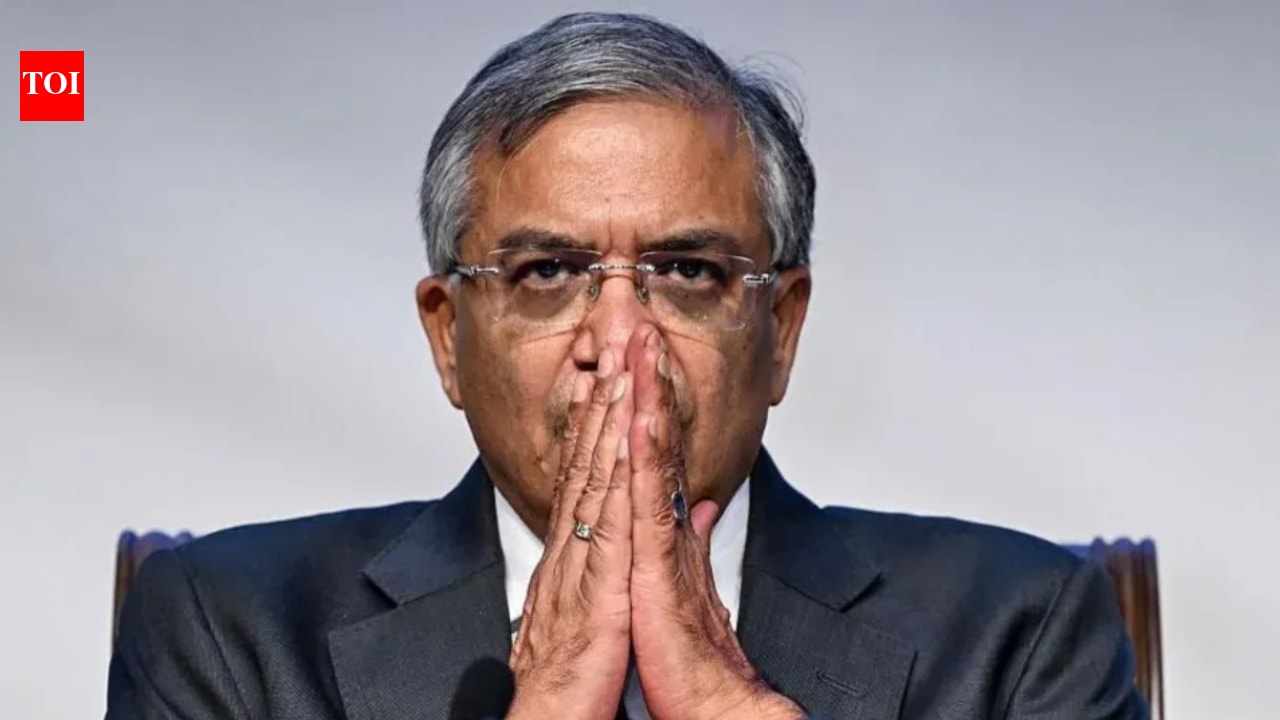
Lok Sabha Speaker Om Birla confirmed that any potential impeachment motion against CEC Gyanesh Kumar will undergo strict procedural review. The opposition continues to protest against the CEC, alleging irregularities in electoral roll revisions and the 2023 immunity law.
The Procedural Landscape of CEC Impeachment
Lok Sabha Speaker Om Birla has recently clarified the constitutional pathway regarding potential impeachment proceedings against Chief Election Commissioner (CEC) Gyanesh Kumar. Amidst growing opposition pressure and public protests, Birla emphasized that any formal motion brought before the house will be subjected to rigorous procedural examination. This stance reinforces the established legal framework, which mandates that the removal of a CEC follows the same stringent criteria as the impeachment of a Supreme Court judge, ensuring that such actions are not undertaken lightly.
The Opposition’s Stance and Allegations
The current political tension stems from allegations leveled by the opposition against CEC Gyanesh Kumar. The primary grievances focus on what the opposition characterizes as the “unilateral and arbitrary exercise of the collective powers” during the ongoing revision of electoral rolls. These concerns have prompted opposition leaders to seek an audience with President Droupadi Murmu, where they have formally demanded both the removal of the CEC and the repeal of the 2023 law that grants immunity to the CEC and other Election Commissioners.
Historical Context and Constitutional Thresholds
It is important to note that this is not the first time the opposition has attempted to initiate removal proceedings. Previous notices submitted to both the Lok Sabha Speaker and the Rajya Sabha Chairman were rejected. The presiding officers determined that the allegations presented did not meet the “high constitutional bar” required to trigger formal removal proceedings. This rejection highlights the delicate balance between legislative oversight and the independence of constitutional authorities, underscoring the difficulty of moving such motions in a parliamentary democracy.
The Role of Due Process
Speaker Birla’s recent comments, made ahead of the 12th BRICS Parliamentary Forum, serve as a reminder of the institutional adherence to protocol. By stating that the process will be followed if a motion is moved, the Speaker is upholding the sanctity of the rules of the House. This ensures that even in a climate of intense political disagreement, the parliamentary mechanism remains the primary arbiter of constitutional disputes, rather than external political pressure.
Broader Implications and Future Trends
The ongoing debate regarding the 2023 law and the immunity it confers on the Election Commission marks a significant shift in the discourse surrounding India’s electoral oversight body. Future trends suggest that the opposition will likely continue to utilize parliamentary procedures to challenge the ECI’s autonomy, while the government and presiding officers will continue to lean on established legal precedents to maintain the status quo. As India moves forward, the intersection of legislative reform and the independence of the Election Commission will remain a central pillar of the nation's political narrative.