PM Modi says Congress tarnishes India's image abroad: 'They seek intervention in internal affairs'
Source Entity
Latest News: Todays Latest News Headlines from India & World | Hindustan Times | Hindustan Times
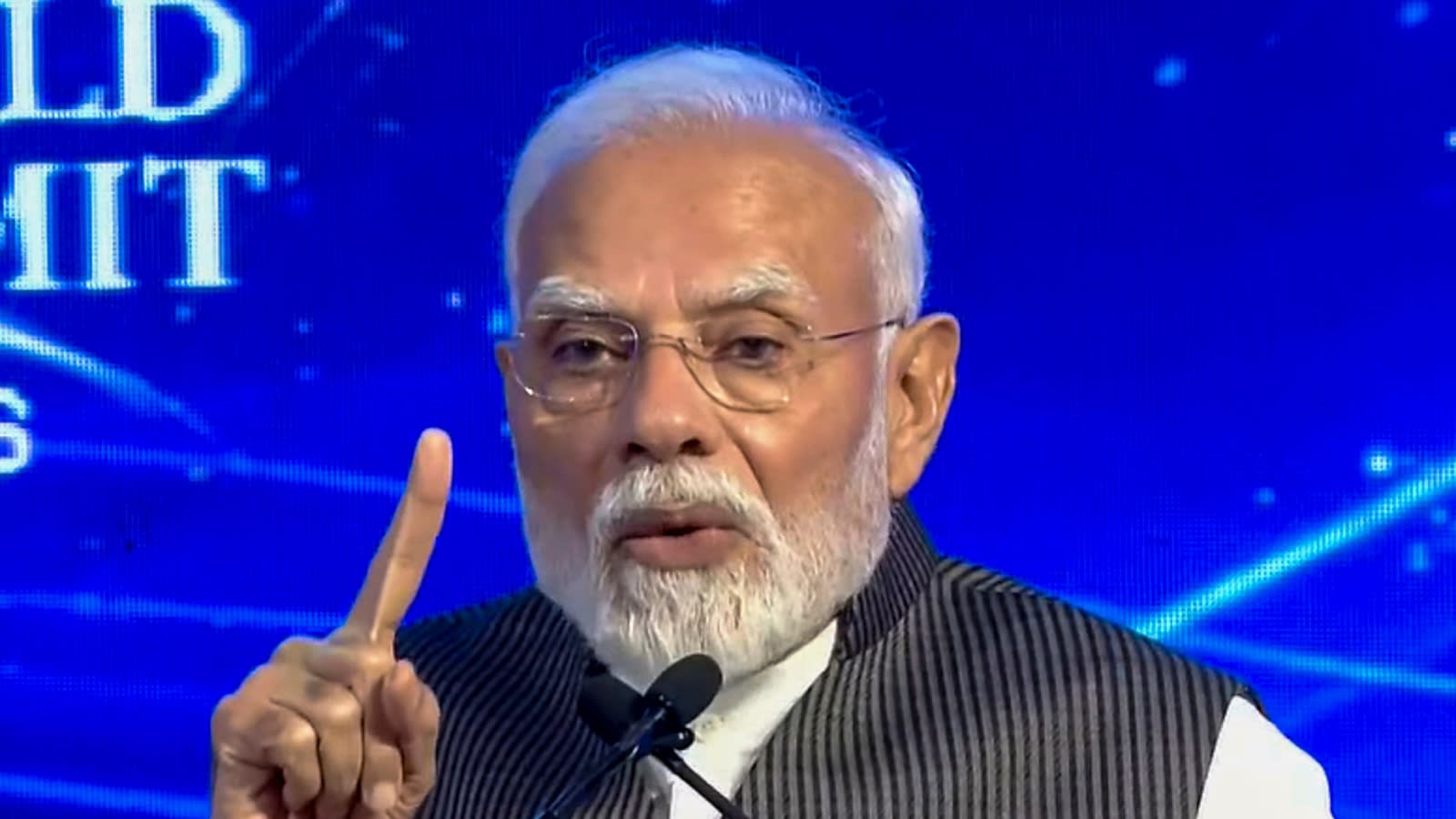
Prime Minister Narendra Modi criticized the Congress party at the NDTV World Summit 2026, accusing them of seeking foreign intervention and obstructing national progress. He characterized the party leadership as a "failed product" and a "parasite" hindering India's political landscape.
The Political Discourse at NDTV World Summit 2026
At the recent NDTV World Summit 2026 in New Delhi, Prime Minister Narendra Modi delivered a sharp critique of the Indian National Congress, framing the opposition party as a hindrance to India’s global standing. The Prime Minister’s remarks centered on the assertion that the Congress party actively seeks foreign intervention in India’s internal affairs, a move he characterized as a dangerous strategy to revive the political fortunes of what he described as "failed leaders."
The 'Failed Product' and 'Parasite' Narrative
Central to the Prime Minister’s address was the pointed characterization of Rahul Gandhi and the broader Congress leadership as a "failed product." By using such strong rhetoric, the Prime Minister aimed to delegitimize the opposition’s attempts to frame themselves as a viable alternative to the current administration. Furthermore, he labeled the party a "parasite," suggesting that the Congress thrives by stifling the growth of others and creating systemic disorder rather than contributing to constructive governance.
Allegations of Seeking Foreign Intervention
One of the most serious accusations leveled by the Prime Minister involves the alleged tendency of Congress leaders to invite international scrutiny into India’s domestic policies. According to the Prime Minister, this behavior does not merely represent a difference in political opinion but actively tarnishes India's image abroad. This narrative serves to cast the Congress as being out of touch with the national interest, prioritizing partisan gain over the sovereignty and reputation of the nation on the global stage.
Metaphorical Critiques and Political Strategy
To emphasize his point, the Prime Minister employed a striking metaphor comparing the frequency of political launches within the Congress party to the space missions at Sriharikota. By stating that "Sriharikota sees fewer launches than the number of times Congress tried to launch its failed leaders in a single year," he sought to portray the party’s internal dynamics as chaotic, repetitive, and ultimately futile. This rhetorical strategy is designed to create a public perception of the opposition as being trapped in a cycle of failed reinvention.
Broader Implications for Indian Democracy
This confrontation underscores the deepening polarization within the Indian political landscape. The discourse at the NDTV World Summit reflects a broader trend where domestic political battles are increasingly fought through the lens of national identity and global perception. By framing the opposition as a burden on their own party and a threat to national stability, the ruling party is attempting to solidify its base by contrasting its vision of progress against what it characterizes as the destructive tendencies of the Congress.
Conclusion and Future Outlook
As the political climate in India continues to evolve, the tension between the ruling BJP and the Congress is likely to remain high. The Prime Minister's focus on branding the opposition as a "parasite" and a "failed product" indicates a continued strategy of aggressive political messaging. Moving forward, the effectiveness of this rhetoric will depend on how the electorate perceives these accusations, particularly regarding the balance between legitimate dissent and the alleged pursuit of foreign intervention in domestic affairs.
Verification Required?