Punjab govt moves resolution against CEC Gyanesh Kumar over SIR issue
Source Entity
Latest News: Todays Latest News Headlines from India & World | Hindustan Times | Hindustan Times
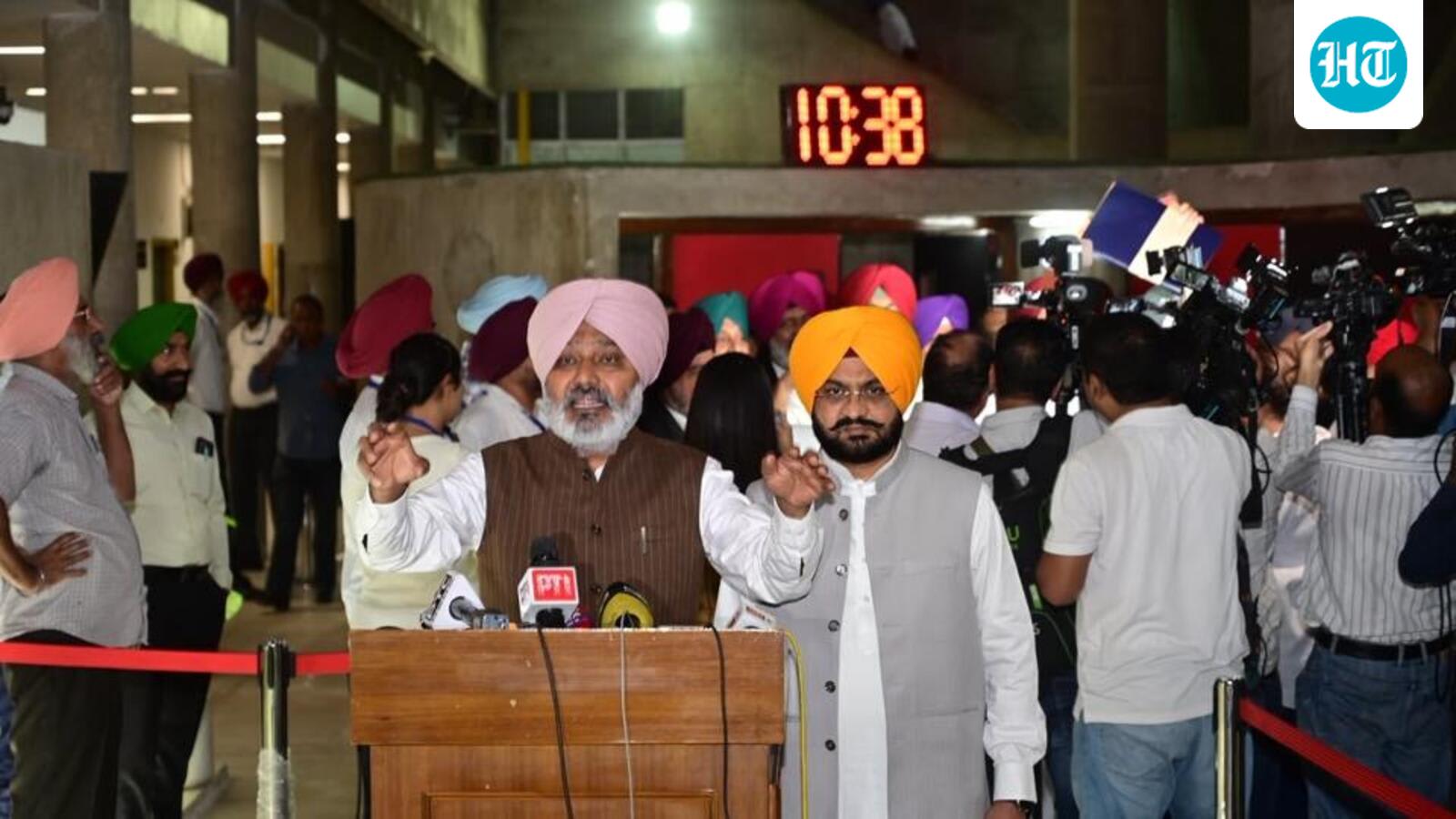
The Punjab Assembly has passed a resolution demanding an independent inquiry into the Election Commission's Special Intensive Revision (SIR) process. Chief Minister Bhagwant Mann and Finance Minister Harpal Cheema allege electoral irregularities and personal political retaliation by the central government.
Tensions Escalate Between Punjab Government and Election Commission
The political climate in Punjab has reached a boiling point following a special session of the State Assembly where the government formally challenged the integrity of the Election Commission of India (ECI). Led by Finance Minister Harpal Cheema, the Assembly tabled a resolution demanding an independent inquiry into the conduct of Chief Election Commissioner (CEC) Gyanesh Kumar, specifically focusing on the administrative decisions surrounding the Special Intensive Revision (SIR) of electoral rolls.
Allegations of Electoral Irregularity
At the heart of the government's grievances is the claim that the SIR process has been used as a tool for systematic voter disenfranchisement. Chief Minister Bhagwant Mann has characterized these actions as a form of "vote loot," arguing that the deletion of names from electoral rolls is a dangerous precedent for Indian democracy. The state government estimates that up to 14 crore voters may have been removed nationwide under the guise of this revision, prompting calls for the entire exercise to be scrapped.
Claims of Political Retaliation
Beyond the procedural concerns regarding the ECI, the Punjab leadership has leveled serious allegations of personal and political harassment against the central government. CM Bhagwant Mann recounted a recent experience at the Delhi airport upon his return from France, where he claims he was detained for two hours and subjected to an arbitrary ₹50,000 fine. Mann alleged that officials explicitly cited "pressure from above" as the motivation for their actions, framing the incident as part of a broader pattern of retaliation by the BJP-led Centre.
The Legal and Constitutional Dimension
These developments highlight a deepening rift between the state administration and central agencies. The fact that the Punjab government had to move to the High Court just to secure permission for the Chief Minister’s foreign visit suggests a breakdown in federal cooperation. By passing a unanimous resolution in the Assembly, the Punjab government is attempting to elevate these local grievances to a national constitutional debate, signaling their intent to challenge the ECI’s autonomy and decision-making processes.
Broader Implications for Indian Democracy
The rhetoric used by the state leadership—referencing "vote chori" (theft) and threats to democratic structures—reflects a growing trend of intense scrutiny toward the Election Commission's operational transparency. As the Punjab government pushes for an independent probe, the focus shifts to how the ECI will respond to these public accusations. The situation underscores the volatility of state-center relations and the critical importance of public trust in the institutions tasked with managing the electoral process.
Future Outlook
Moving forward, the resolution passed by the Punjab Assembly is likely to serve as a rallying point for opposition voices across India. If the demand for an inquiry gains momentum, it could lead to increased judicial oversight regarding the ECI's administrative protocols. The standoff between the Punjab government and the Centre, exacerbated by allegations of personal detention and electoral manipulation, suggests that the coming months will see continued legislative and legal challenges regarding the fairness of voter registration and the independence of election oversight.
Verification Required?