India’s Gen Z wants Pakistan to end terror activities: govt
Source Entity
India Latest News: Top National Headlines Today & Breaking News | The Hindu
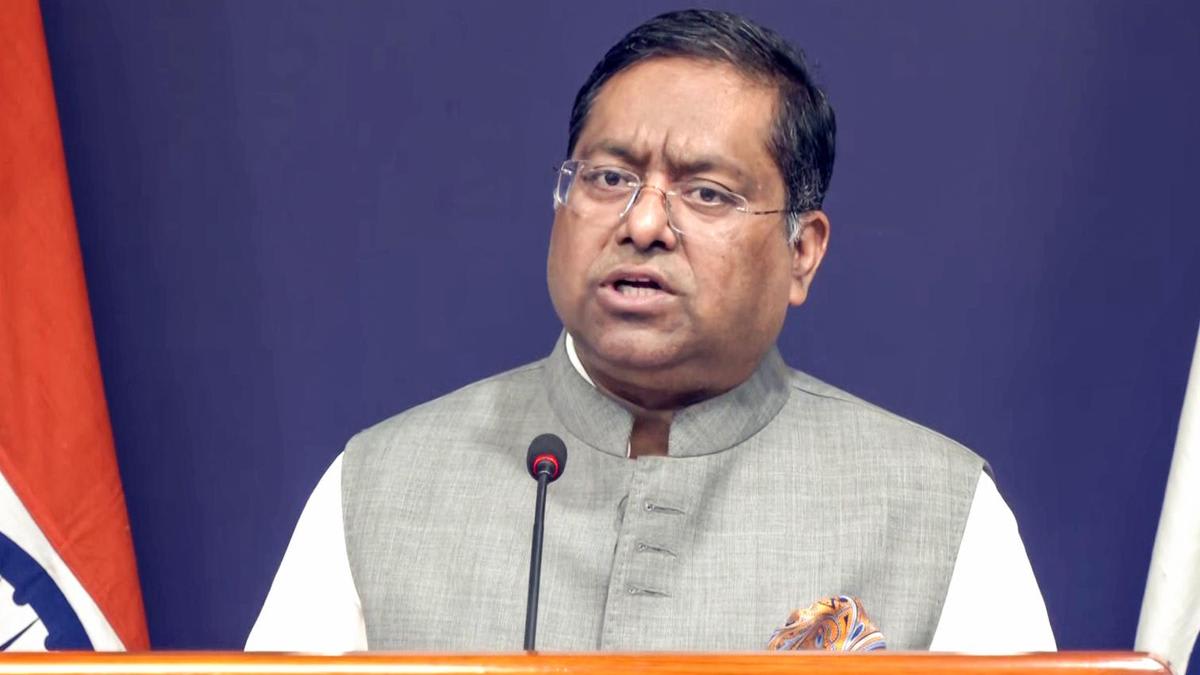
The Indian MEA has dismissed recent online support from Pakistani Gen Z for Indian protests, urging them to focus on their own government's history of cross-border terrorism. India maintains that Pakistan's state policy remains a barrier to any meaningful cultural or social bridge between the two nations' youth.
India-Pakistan Relations: Addressing the Gen Z Disconnect
Recent reports have surfaced regarding Pakistani social media users, specifically those identifying with Generation Z, expressing solidarity with student protests held at Jantar Mantar in India. While these digital gestures of support might appear to signal a softening of historical animosities, the Indian Ministry of External Affairs (MEA) has taken a firm stance, characterizing these interactions as a distraction from the fundamental issues plaguing bilateral relations.
The MEA’s Stance on Cross-Border Terrorism
During a recent media briefing, MEA spokesperson Randhir Jaiswal addressed these reports with a clear directive: the conversation must return to the core issue of state-sponsored terrorism. For decades, India has maintained that Pakistan utilizes cross-border terror as a deliberate state policy. The government argues that this policy is the primary obstacle to peace, and any discourse involving the youth of both nations must acknowledge this reality rather than ignoring it in favor of superficial online solidarity.
The Role of Gen Z in Bilateral Discourse
India has emphasized that its own youth, including Gen Z, are acutely aware of the security threats posed by Pakistan. By suggesting that Pakistani youth should "take note" of Indian sentiments, the MEA is effectively challenging the narrative that social media affinity can bypass the geopolitical tensions between the two nuclear-armed neighbors. The government implies that true progress requires a fundamental shift in Pakistan’s internal policies rather than performative digital support.
Historical Context and Cultural Claims
Beyond current security concerns, the MEA has also challenged Pakistan’s claims to historical and cultural legacies, such as the Indus Valley Civilisation. By questioning Pakistan's right to represent such a pluralistic heritage while simultaneously supporting militant activities, the Indian government is framing the issue as a crisis of national identity and global responsibility. This serves to bolster the argument that Pakistan's current state trajectory is incompatible with the values of the civilizations it claims to represent.
Implications for Future Diplomacy
Looking forward, this exchange highlights the limitations of digital diplomacy in the face of long-standing geopolitical grievances. While Gen Z populations are increasingly interconnected through technology, the Indian government remains committed to a policy of holding the Pakistani state accountable for its actions. Future trends suggest that India will continue to prioritize security and state-to-state accountability over informal, youth-led online movements until significant policy changes occur in Islamabad.
Conclusion
Ultimately, the Indian government’s response serves as a stern reminder that the geopolitical reality between India and Pakistan is deep-rooted. While the curiosity and engagement of Gen Z are noted, the MEA makes it clear that the path to better relations lies not in online rhetoric, but in the definitive cessation of state-sponsored terrorism that has hampered regional stability for decades.
Multiple Citing Sources
Verification Required?