Pak Gen Z should focus on India’s demand to end state-sponsored cross-border terror: MEA
Source Entity
Divya A
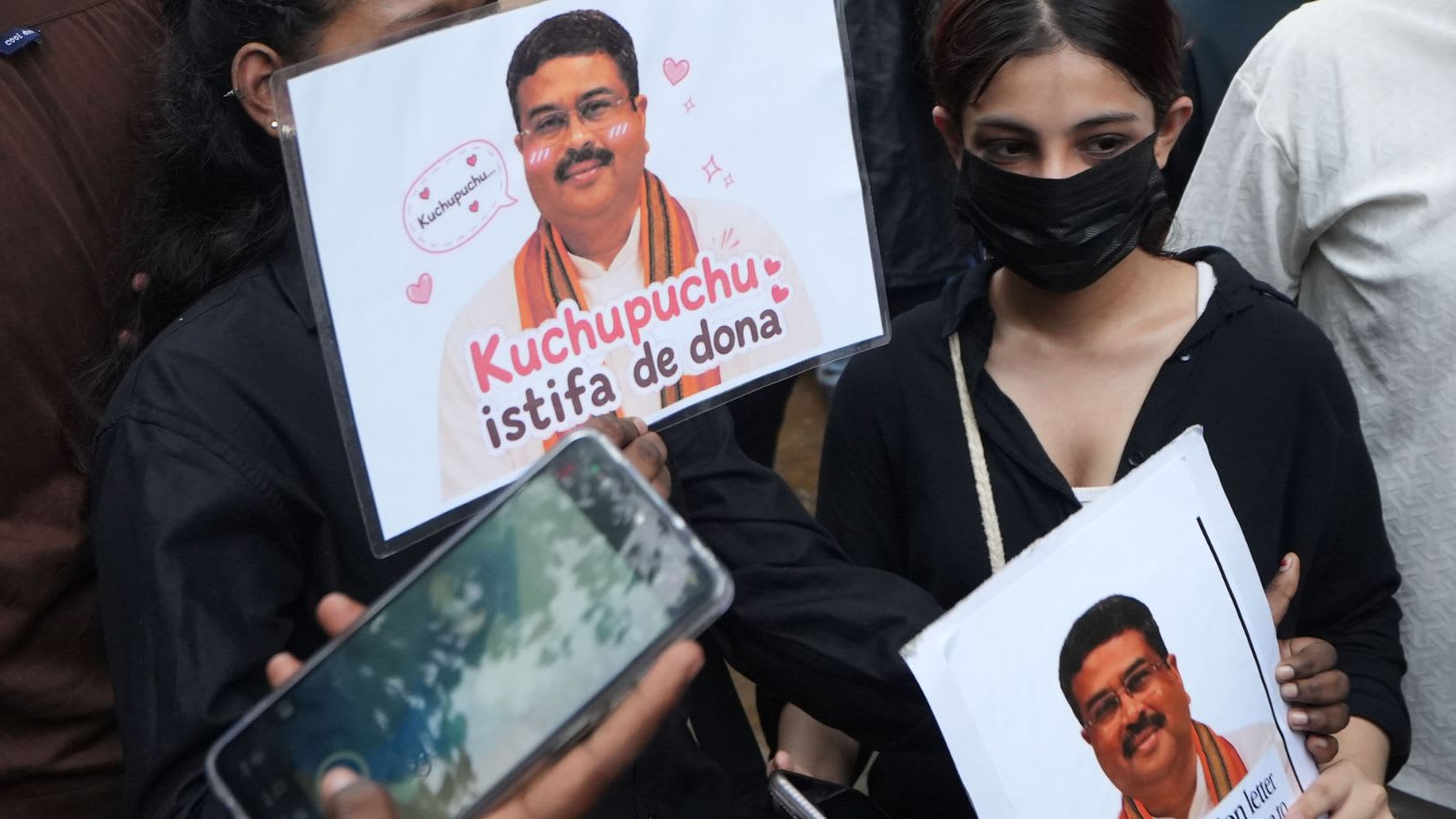
The Indian Ministry of External Affairs has responded to reports of Pakistani Gen Z supporting Indian student protests by shifting the focus to Pakistan's long-standing state-sponsored terrorism. India maintains that any dialogue or cultural alignment must be preceded by an end to cross-border hostilities.
India Rejects Cross-Border Solidarity Amidst Terrorism Concerns
Recent reports have surfaced regarding Pakistani Gen Z social media users expressing solidarity with students participating in protests at Jantar Mantar, Delhi. The Indian Ministry of External Affairs (MEA) has addressed these developments with a firm stance, emphasizing that such online gestures do not mitigate the fundamental geopolitical grievances existing between the two nations. Spokesperson Randhir Jaiswal dismissed the superficial nature of these digital interactions, urging the youth in Pakistan to focus on the core issue that continues to strain bilateral relations: state-sponsored cross-border terrorism.
The Historical Context of State-Sponsored Terror
For several decades, India has consistently maintained that Pakistan utilizes terrorism as a strategic tool of state policy. This ongoing security challenge has been a primary driver of India’s foreign policy towards its neighbor. By framing the current discourse around the demands of India’s own Gen Z, the MEA is highlighting that the desire for peace and security is a deeply entrenched national sentiment that spans generations. The government’s reaction serves as a reminder that diplomatic normalization is impossible while terrorist infrastructure remains operational across the border.
Challenging Cultural Narratives
Beyond the immediate political friction, the MEA also addressed the broader historical context, noting that a state actively engaged in supporting terrorism forfeits its moral standing to claim a connection to the pluralistic cultural legacy of the Indus Valley Civilisation. This assertion challenges the narrative often propagated by Pakistani entities seeking to align themselves with the region's ancient heritage. India’s position is clear: cultural connectivity cannot exist in a vacuum while security threats persist.
The Role of Gen Z in Diplomatic Discourse
This incident highlights a growing trend where digital-native generations attempt to bridge national divides through social media platforms. However, the Indian government’s response clarifies that such efforts are viewed as secondary to the urgent necessity of addressing state-level policies. By calling for Pakistani youth to 'take note' of India's demands, the MEA is effectively shifting the burden of accountability back to the neighboring population, encouraging them to pressure their own state to abandon exclusionary and violent policies.
Future Implications for Bilateral Relations
Looking ahead, this exchange suggests that India will remain steadfast in its refusal to engage in soft-power diplomacy or cultural exchange until concrete, verifiable steps are taken to end cross-border activities. The government’s rhetoric signals a policy of 'security-first,' where the expectations of the Indian public—including the youth—are aligned with the state's official diplomatic stance. As long as the current security dynamic remains, the potential for meaningful engagement between the youth of both nations will likely continue to be overshadowed by the realities of state policy and historical grievances.
Multiple Citing Sources