On Camera, 'Mystery' Drone Attacks Greek Container Ship In Black Sea
Source Entity
NDTV News Search Records Found 1000
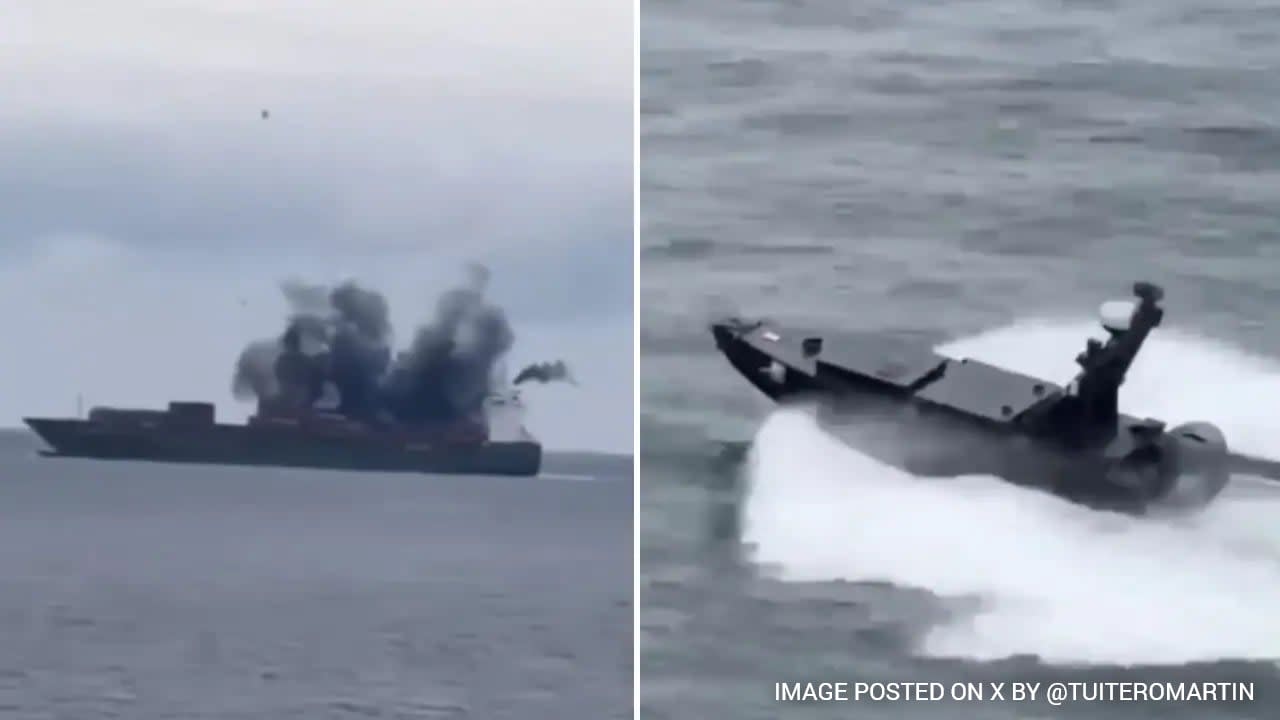
A series of mysterious drone attacks has targeted at least six commercial vessels off the coast of Bulgaria in the Black Sea. These incidents highlight escalating maritime security risks in a region already strained by geopolitical tensions.
Maritime Security Crisis in the Black Sea
Recent reports confirming that at least six container ships have been targeted by 'mystery' drone attacks off the coast of Bulgaria mark a significant escalation in regional maritime instability. While the Black Sea has long been a focal point of international concern due to ongoing geopolitical conflicts, the emergence of drone-based threats against commercial shipping represents a dangerous shift in the nature of regional maritime warfare. These attacks, occurring with alarming frequency throughout the current month, suggest a coordinated effort to disrupt vital trade routes that serve as the economic lifeline for several Eastern European and Eurasian nations.
The Nature of Asymmetric Drone Threats
The use of unmanned aerial or surface vehicles to strike container ships introduces a new layer of complexity for global shipping companies. Unlike traditional naval engagements, these drone strikes are inherently asymmetric, allowing actors to project force with minimal infrastructure and high anonymity. The fact that these vessels are being targeted in international or coastal waters off Bulgaria indicates that the reach of these 'mystery' attackers extends well beyond active combat zones, threatening the safety of civilian crews and the integrity of global supply chains that rely on the Black Sea for grain and energy exports.
Economic Implications and Trade Disruption
Beyond the immediate physical danger posed to crews and vessels, these attacks carry severe economic consequences. The Black Sea is a critical artery for global logistics. When commercial vessels become targets, insurance premiums for shipping lines operating in the region skyrocket, and some operators may choose to bypass these routes entirely to avoid the risk of attack. This disruption can lead to increased costs for commodities and goods, potentially exacerbating inflationary pressures already felt in European markets that depend on the smooth transit of containerized cargo.
Geopolitical Instability and Regional Security
Bulgaria, as a NATO member, finds itself at the center of this maritime security challenge. The presence of these attacks in its coastal proximity necessitates a robust response from regional authorities and international maritime security organizations. The inability to immediately identify the origins of these drones complicates the diplomatic response, as nations are forced to navigate the fine line between increasing defensive vigilance and avoiding further escalation with unknown adversaries. The persistence of these incidents suggests that maritime security in the Black Sea is entering a volatile new chapter.
Future Trends and Defensive Strategies
Looking forward, the shipping industry will likely have to accelerate the adoption of anti-drone technologies, such as electronic jamming systems and enhanced radar detection, specifically designed for civilian vessels. If these attacks continue, we may see a increased presence of naval patrols from regional powers to escort merchant ships. The long-term trend points toward a more militarized maritime environment where commercial entities must treat drone threats as a standard operational risk, fundamentally altering the nature of trade in the Black Sea region.
Verification Required?