Oil rises as Iran threatens retaliation if Trump targets country's critical infrastructure
Source Entity
US Top News and Analysis
Oil prices have surged as President Trump threatened strikes on Iranian infrastructure, triggering vows of retaliation from Tehran. Markets are currently volatile as investors weigh the possibility of military conflict against potential diplomatic breakthroughs regarding frozen assets.
Geopolitical Volatility and the Surge in Global Oil Prices
Global energy markets have experienced a sharp uptick in volatility following a series of escalating threats between the United States and Iran. The immediate catalyst for this price movement was an ultimatum delivered by President Donald Trump, who indicated in a Fox News interview that U.S. forces would target critical Iranian infrastructure by next week if a diplomatic breakthrough is not achieved. This direct threat has sent ripples through the commodities market, as investors fear that a military strike on key facilities could severely disrupt the global supply of crude oil.
Market Reaction and Price Benchmarks
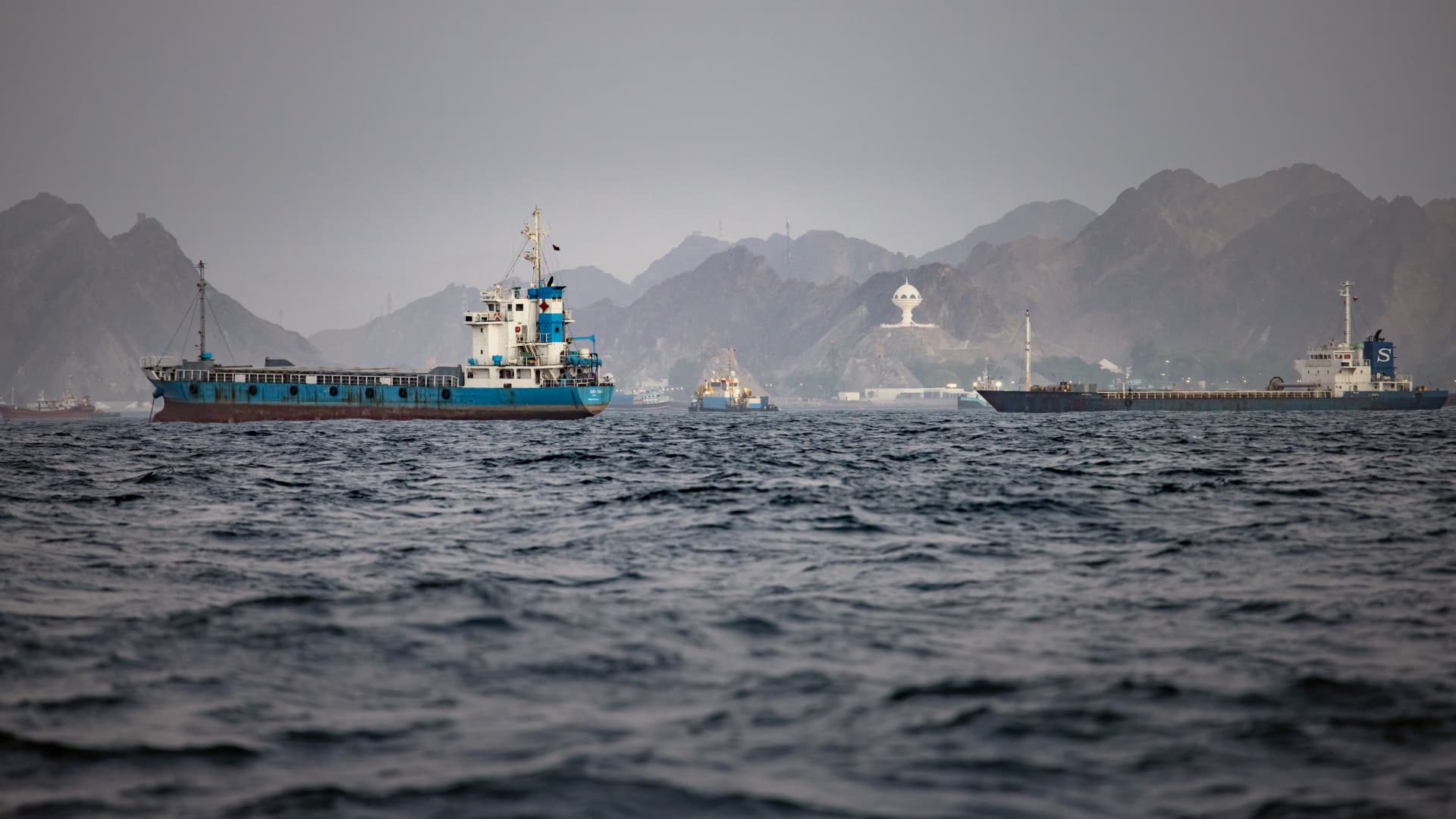
The financial impact of these tensions was immediately evident in the futures markets. U.S. West Texas Intermediate (WTI) futures for August delivery saw a rise of 1.32%, climbing to $80.09 per barrel. Similarly, the international benchmark Brent crude for September delivery advanced by 1.33%, reaching $85.35 per barrel. These increases reflect a classic 'risk premium,' where traders price in the possibility of supply shortages resulting from regional conflict. The presence of numerous oil tankers and cargo vessels anchored off Port Sultan Qaboos in Oman serves as a visual reminder of the strategic importance of the region and the fragility of the maritime corridors through which much of the world's oil flows.
The Cycle of Retaliation and Regional Risk
Tehran has responded to the U.S. threats with equal intensity. In a statement released via Telegram, a spokesperson for Iran's top military command vowed to target regional infrastructure should the U.S. follow through on its threats to strike Iranian facilities. This escalation shifts the risk from a bilateral conflict to a broader regional crisis. By threatening 'regional infrastructure,' Iran is signaling that it may target oil installations, pipelines, or shipping lanes in neighboring countries, which would amplify the shock to global energy prices far beyond the borders of Iran itself.
Diplomatic Leverage and Economic Incentives
Despite the aggressive rhetoric, there remains a significant economic undercurrent that could lead to a peaceful resolution. According to reports, there is a substantial economic package currently on the table for Tehran. This package includes critical incentives such as access to frozen assets and the granting of export waivers, which would allow Iran to resume the sale of its oil on the global market. The fact that Iran is reluctant to walk away from these concessions suggests that the current military posturing may be a high-stakes negotiation tactic intended to secure the best possible terms for the lifting of sanctions.
Strategic Implications and Future Outlook
The current standoff highlights the recurring pattern of 'maximum pressure' diplomacy combined with targeted threats to force concessions. The upcoming week is critical; if the diplomatic breakthrough mentioned by the administration does not materialize, the likelihood of kinetic action increases, potentially leading to a sustained spike in oil prices and increased instability in the Middle East. Conversely, a successful agreement involving the release of frozen assets would likely lead to a correction in oil prices as the risk premium evaporates and Iranian supply potentially returns to the market.
Summary of the Crisis
In conclusion, the surge in oil prices to over $80 for WTI and $85 for Brent is a direct consequence of the precarious balance between U.S. military threats and Iranian vows of retaliation. While the threat to infrastructure creates immediate market panic, the existence of an economic package involving export waivers and frozen assets provides a narrow but viable path toward de-escalation. The global economy remains on edge, awaiting whether diplomacy or military force will define the trajectory of U.S.-Iran relations in the coming days.