UK heatwave approaches two-week mark
Source Entity
BBC News
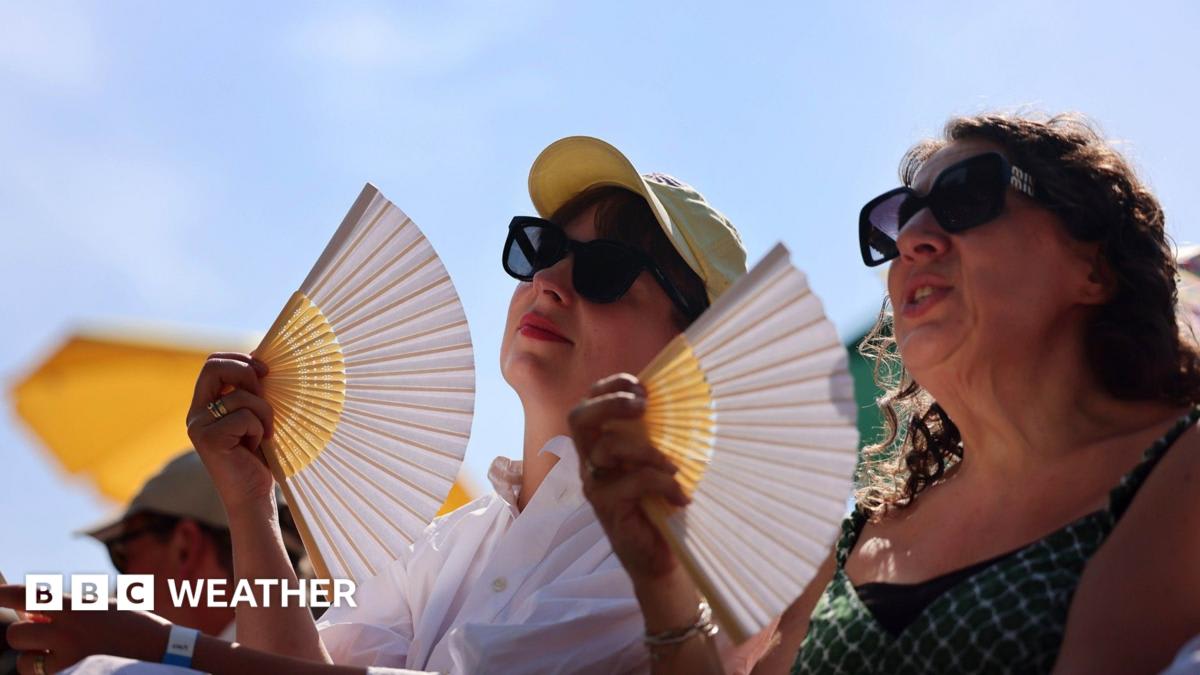
The UK is experiencing its third heatwave of 2026, with England and Wales recording 12 days above 30°C in July. While May and June temperature records were broken, the current event lacks the widespread drought of 1976.
Analysis of the 2026 UK Summer Heatwave
The United Kingdom is currently navigating a period of extreme meteorological instability as a significant heatwave approaches its second week. This event is not an isolated incident but rather the third heatwave of 2026, suggesting a pattern of recurring high-temperature events throughout the year. The current situation mirrors the timeline of 2025, where the country had also experienced its third heatwave by the same point in the calendar, indicating a potential trend in shifted seasonal norms.
Regional Intensity and Temperature Thresholds
The impact of the current heatwave has been most pronounced in England and Wales. In these regions, July has already seen 12 days where temperatures soared above 30°C, with 13 days meeting the specific criteria for heatwave conditions. This sustained period of high heat is particularly striking when compared to previous years; for instance, while last July saw some southern areas experience four consecutive days above 30°C, the current 2026 event demonstrates a more prolonged duration of extreme heat.
Geographical Disparities in Weather Patterns
There is a notable divergence in how different parts of the UK are experiencing this weather event. While heatwave conditions have reached Scotland and Northern Ireland, the intensity has been significantly lower, and the duration shorter than that seen in the south. Furthermore, precipitation patterns have been inconsistent. Most of Wales and Northern Ireland have faced rainfall deficits, whereas western Scotland has remained an outlier, recording wetter-than-average conditions. This distribution highlights the complex interaction of atmospheric pressure systems across the British Isles.
Historical Benchmarks and the 1976 Comparison
Meteorologists and analysts are frequently drawing comparisons between the current conditions and the historic summer of 1976. The 1976 event remains the gold standard for heatwave longevity, and it still holds the record for the longest heatwave in UK history. However, a critical distinction exists regarding water security: unlike the widespread and devastating drought that accompanied the 1976 heatwave, there is currently no part of the UK in a state of drought, providing a significant buffer against agricultural and environmental collapse.
A Trend of Record-Breaking Temperatures
The current July heatwave is the culmination of an extraordinary start to the year. The UK has already shattered monthly temperature records for both May and June, with temperatures exceeding previous records by more than two degrees. This suggests that the warming trend began well before the peak of summer, pointing toward a broader climatic shift or a highly anomalous year for the region's temperature baselines.
Conclusion and Future Outlook
In summary, the 2026 summer is shaping up to be one of the most extraordinary years on record for UK weather. While the lack of drought distinguishes this period from the crisis of 1976, the frequency of heatwaves and the significant breaking of monthly records in May and June signal a period of intense thermal stress. As the heatwave persists, the focus will likely remain on whether these patterns represent a new seasonal baseline for the UK's climate.