Oman Pitches Malacca-Style Plan To End Iran's Sole Grip On Hormuz: Report
Source Entity
NDTV News Search Records Found 1000
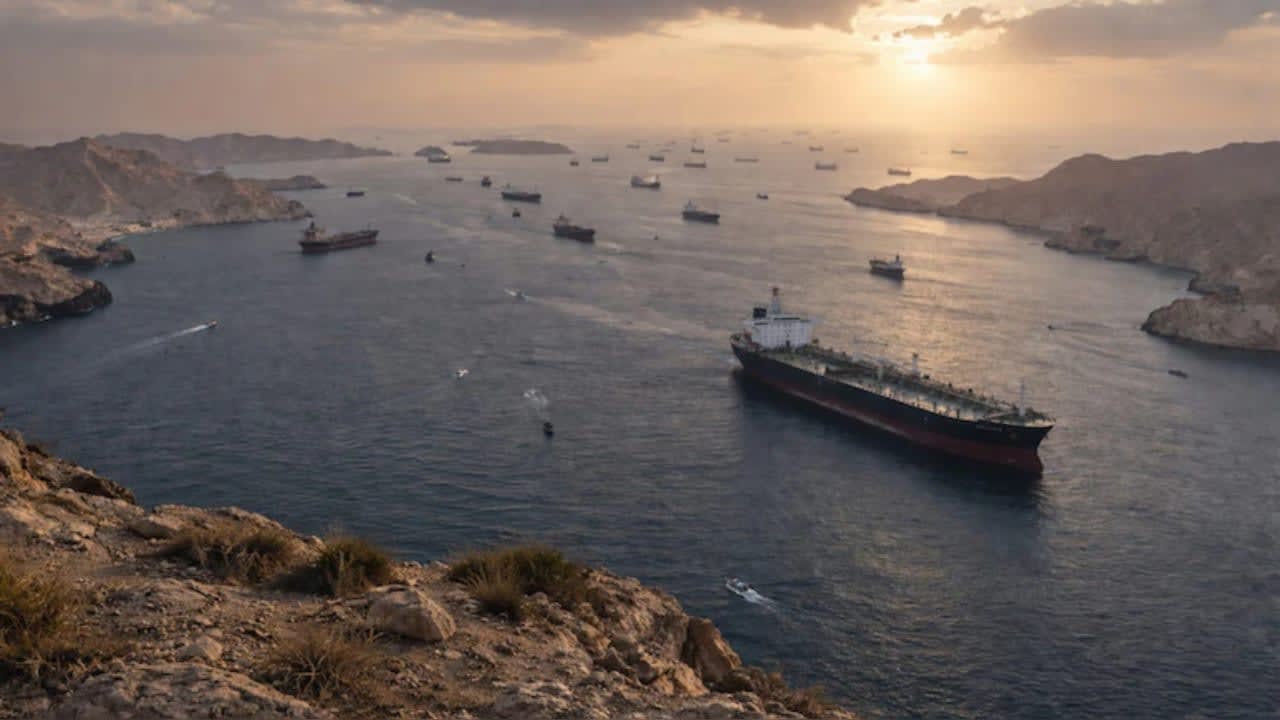
Oman is proposing a transit fee mechanism for the Strait of Hormuz to facilitate regional stability and potentially break diplomatic deadlocks. While Iran engages in these regional dialogues, conflicting narratives between Washington and Tehran continue to complicate broader international peace efforts.
The Strait of Hormuz: A New Diplomatic Frontier
The Strait of Hormuz remains one of the world’s most critical maritime chokepoints, with a significant portion of global oil supplies transiting its narrow waters daily. Recent reports indicate that Oman has initiated discussions with Iran and Saudi Arabia regarding a proposal to implement transit fees for vessels navigating this strategic corridor. This 'Malacca-style' model suggests a shift in how regional powers might manage maritime security and economic leverage, moving toward a more formalized mechanism for oversight.
Navigating the Diplomatic Stalemate
For Iran, the prospect of managing the Strait through shared mechanisms with Oman serves a dual purpose. While the Islamic Republic has maintained a firm grip on the region, Foreign Ministry spokesperson Esmaeil Baghaei has framed these discussions as 'constructive' efforts between littoral states to ensure safe navigation. By positioning these talks as independent of the United States, Iran seeks to project regional autonomy and stabilize its maritime interests despite the ongoing pressures of international sanctions and nuclear-related tensions.
The Shadow of US-Iran Relations
The complexity of this proposal is amplified by the persistent disconnect between Washington and Tehran. Historical friction—highlighted by conflicting public statements regarding the existence of negotiations—creates a volatile atmosphere. While some leaders claim that 'friendly negotiations' are underway, Iranian officials frequently deny these assertions, suggesting a persistent gap between private diplomatic maneuvering and public posturing. This cycle of denial and claim complicates the potential for the Omani proposal to serve as a bridge to wider nuclear talks.
Strategic Implications of Transit Fees
Introducing a fee-based system for the Strait of Hormuz would represent a major geopolitical shift. Historically, the freedom of navigation has been a cornerstone of international maritime law, upheld largely by Western naval presence. If Oman and Iran succeed in establishing a regional fee structure, it could redefine the balance of power in West Asia, forcing international shipping entities to navigate a new regulatory landscape that is inherently tied to regional political alignments.
Future Trends and Regional Stability
As the conflict in West Asia continues, the Omani proposal acts as a potential 'off-ramp' for de-escalation. By focusing on technical and economic cooperation—such as maritime safety and transit fees—rather than the highly polarized nuclear file, regional actors may find a more stable foundation for communication. However, the ultimate success of this plan remains dependent on whether Iran can reconcile its regional ambitions with the broader necessity of integrating into the international economic order.
Conclusion
The proposal to monetize or regulate transit through the Strait of Hormuz is a bold diplomatic experiment. Whether it succeeds in breaking the long-standing deadlock with the United States or merely creates a new layer of regional bureaucracy remains to be seen. As it stands, the initiative highlights the evolving role of intermediaries like Oman in attempting to manage one of the most dangerous maritime flashpoints in the modern world.
Multiple Citing Sources
Verification Required?