Pacific garbage patch spans 1.6 million sq km as fishing gear dominates debris
Source Entity
TOI SCIENCE DESK
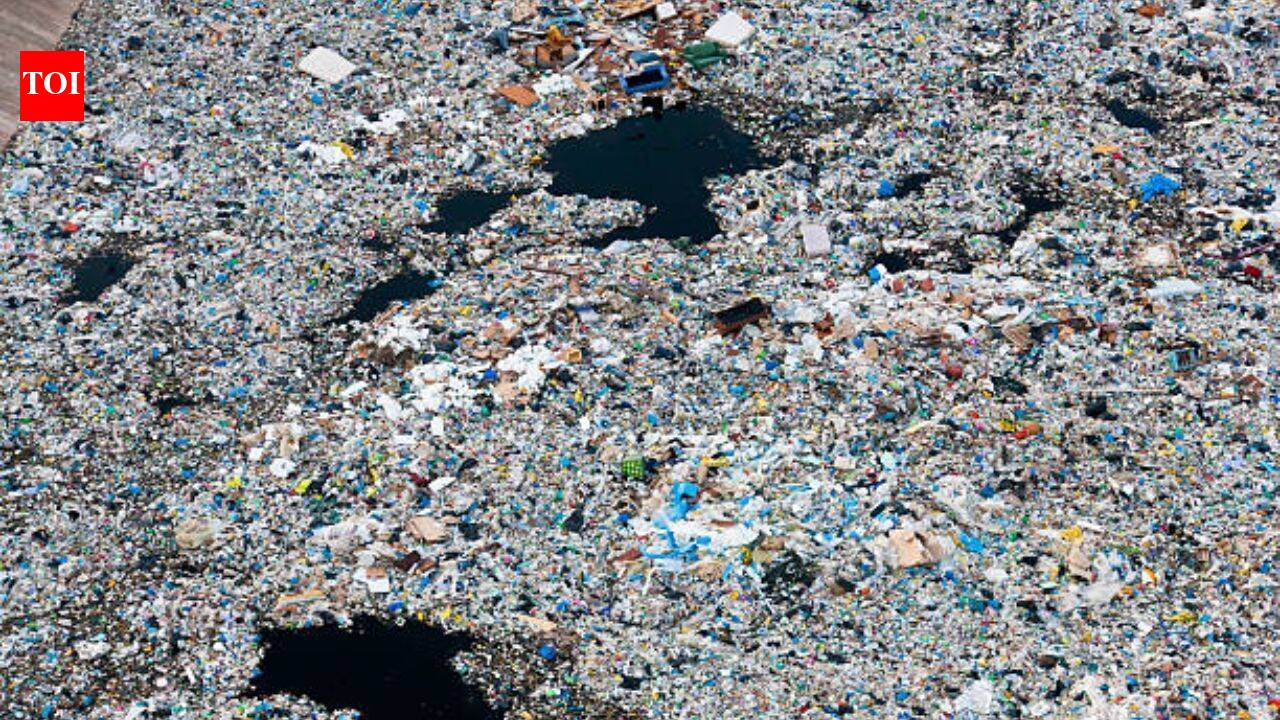
The Great Pacific Garbage Patch, spanning 1.6 million square kilometers, is a massive accumulation of plastic waste between Hawaii and California. This debris, dominated by ghost fishing gear and microplastics, poses a severe threat to marine ecosystems through ingestion and entanglement.
The Expanding Crisis: Understanding the Great Pacific Garbage Patch
Floating between the coastlines of California and Hawaii lies a colossal environmental phenomenon known as the Great Pacific Garbage Patch. Spanning an estimated 1.6 million square kilometers, this accumulation zone represents one of the most visible markers of human impact on the world's oceans. The sheer scale of this plastic expanse, which is nearly three times the size of metropolitan France, highlights the systemic failure of global waste management practices and the persistence of non-biodegradable materials in marine environments.
The Anatomy of Marine Debris
While often conceptualized as a solid, island-like landmass, the patch is more accurately described as a vast, rotating concentration of debris. According to data from the National Oceanic and Atmospheric Administration (NOAA), the patch is distributed across the water's surface and throughout the upper water column. The composition of this debris is heavily dominated by 'ghost' fishing gear—discarded nets, ropes, and buoys—alongside a dense mixture of consumer plastics, containers, and fragmented microplastics that are the result of long-term photo-degradation.
The Mechanics of Accumulation
The formation of this patch is driven by the North Pacific Subtropical Gyre, a system of circulating ocean currents that act as a trap for floating debris. Once plastic enters these currents, it is pulled into the center of the gyre, where it remains trapped for decades. This creates a cycle where waste is not easily flushed out into the open ocean but rather continues to accumulate, creating a dense 'plastic world' that defies simple cleanup solutions due to its massive geographic footprint.
Ecological Consequences and Wildlife Threats
The environmental implications of this patch are profound and deadly. The NOAA Marine Debris Program has documented significant risks to marine biodiversity, particularly through the ingestion of plastic fragments. Marine animals often mistake these colorful, weathered plastics for food, leading to internal blockages, malnutrition, and starvation. Furthermore, the presence of large fishing gear creates a persistent danger of entanglement, where creatures are trapped or immobilized by discarded nets, leading to injury or death.
Broader Implications and Future Trends
Looking ahead, the existence of the Great Pacific Garbage Patch serves as a clarion call for international policy reform regarding plastic production and maritime disposal. As microplastics continue to break down, they enter the base of the marine food web, potentially impacting species far beyond the immediate vicinity of the patch. Addressing this crisis will require not only advanced technological cleanup efforts but also a fundamental shift in how global industries handle maritime waste, emphasizing the need for biodegradable alternatives and stricter enforcement of ocean dumping regulations.