Trump denies ordering Starlink slowdown in Ukraine, says he doesn't know who did
Source Entity
US Top News and Analysis
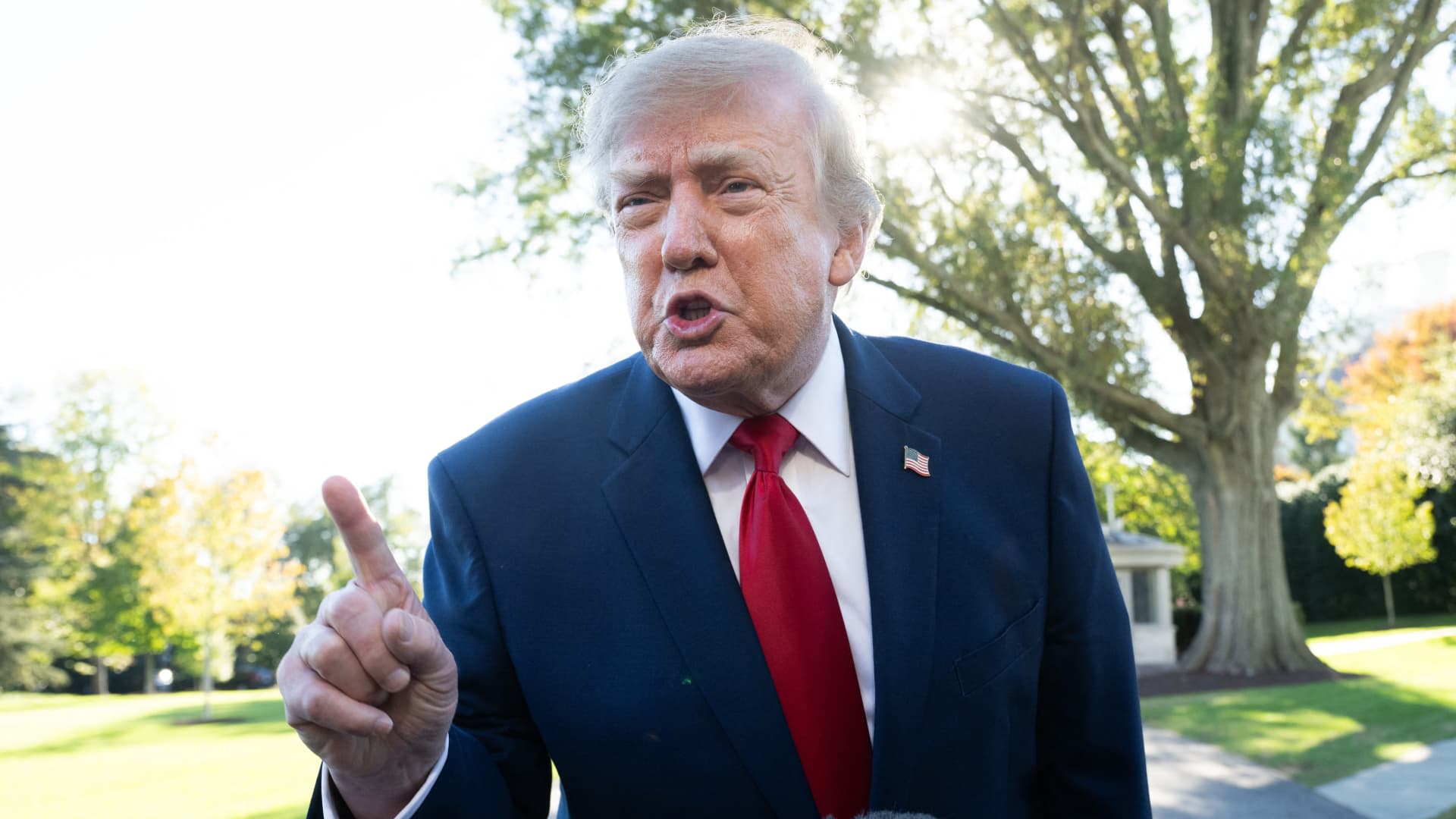
President Donald Trump has denied involvement in the reported throttling of SpaceX's Starlink service in Ukraine. While media reports allege Elon Musk made the decision following discussions with the administration, both figures maintain their lack of responsibility.
The Starlink Controversy: Analyzing the Alleged Throttling of Ukraine’s Connectivity
Recent reports from The Wall Street Journal have ignited a significant controversy regarding the operational integrity of SpaceX’s Starlink satellite network in Ukraine. The core of the issue involves allegations that Elon Musk independently ordered a slowdown of the military-grade service, a move that reportedly caused operational panic among Ukrainian air assault forces. This incident highlights the complex and often precarious intersection of private enterprise, national security, and modern warfare, where a single corporate entity holds the power to influence the battlefield efficacy of a sovereign nation.
Conflicting Narratives and Official Denials
The narrative surrounding this event is currently defined by a sharp divide between investigative reporting and official statements. President Donald Trump, speaking to the media at the White House, explicitly denied any personal involvement in the decision to throttle the service. When pressed on the specific actions of Elon Musk, the President maintained a stance of ignorance, stating he did not know who was responsible. This denial stands in direct opposition to reports suggesting that Musk engaged in discussions with the administration prior to implementing the restrictions.
The Role of Private Infrastructure in Conflict
At the heart of this discourse is the unprecedented role of Starlink as a critical piece of military infrastructure. Because Starlink is a private commercial asset, its deployment in a conflict zone creates a unique gray area in international policy. When the service is throttled—allegedly in response to Ukrainian military strikes on Russian energy infrastructure—it underscores the vulnerability of relying on a private, non-state actor for essential tactical communications. This reality places both the U.S. government and SpaceX in a position where commercial decisions carry profound geopolitical consequences.
Geopolitical Implications and Strategic Friction
The reported tension between the White House and SpaceX appears linked to broader strategic disagreements regarding the conduct of the war. Reports indicate that the decision to limit service followed public criticisms from both Trump and Musk regarding Ukraine’s targeting of Russian diesel refineries. This suggests that the slowdown may have been a tool of diplomatic or strategic leverage, intended to exert influence over Ukrainian military planning. If true, this represents a significant shift where private corporate policy is being utilized to modulate the intensity of a foreign military campaign.
The Transparency Gap in Tech-State Relations
The ambiguity surrounding who authorized the slowdown reflects a broader lack of transparency in the relationship between the current administration and major defense-tech contractors. As the U.S. government increasingly relies on private sector innovations for national security, the lines of accountability become blurred. The difficulty in pinning down the decision-maker—whether it was an executive at SpaceX or an official within the White House—poses a long-term challenge for democratic oversight of military logistics.
Future Trends in Satellite Warfare
Looking forward, this event serves as a warning for future military operations that rely on commercial satellite constellations. It is highly likely that nations will move to develop sovereign, state-controlled satellite networks to avoid the volatility associated with relying on private entities like SpaceX. The precedent set by this incident will almost certainly trigger a re-evaluation of how military contracts are structured, with a move toward more rigid, legally binding agreements that prevent arbitrary service interruptions during active combat operations.