Netanyahu To Join Trump For First Face-To-Face Meeting Since Iran War At White House
Source Entity
NDTV News Search Records Found 1000
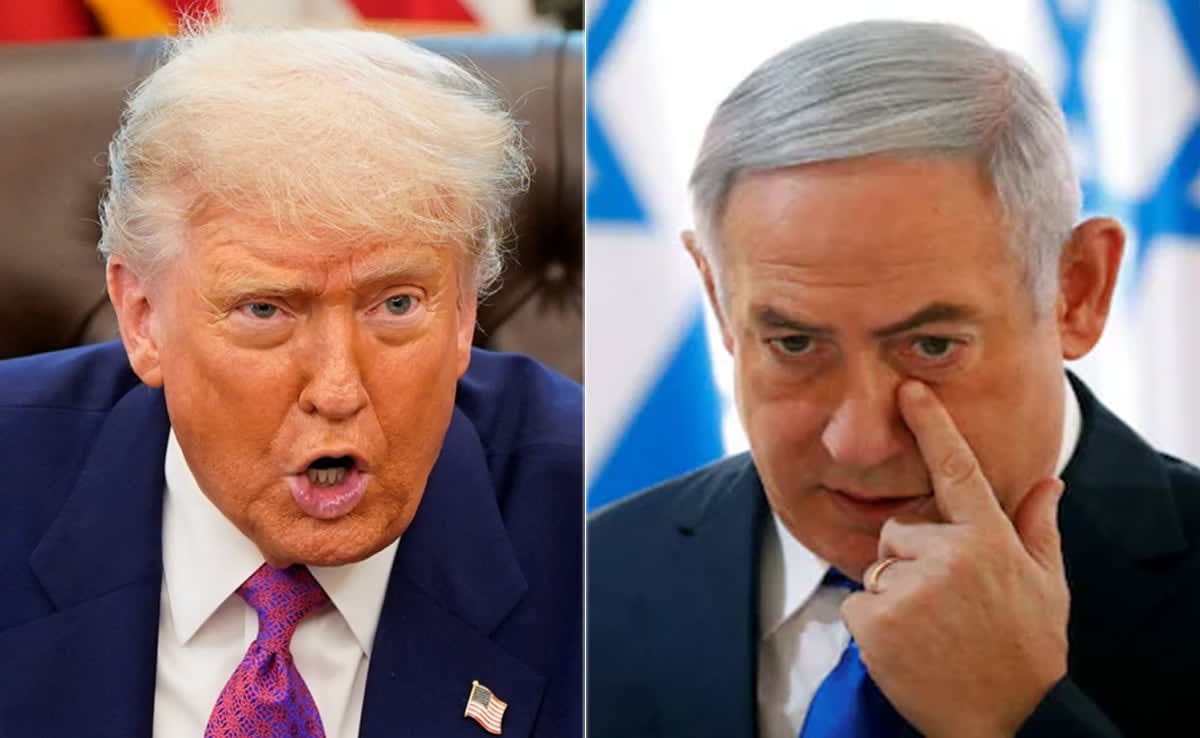
President Trump is set to host Benjamin Netanyahu and Volodymyr Zelenskyy at the White House to address the intersecting crises of the Iran and Ukraine wars. The meetings focus on new intelligence regarding Iran's nuclear program and the shifting dynamics of global military alliances.
Diplomatic Crossroads: The White House Summit
As the geopolitical landscape faces unprecedented volatility, U.S. President Donald Trump is preparing to host Israeli Prime Minister Benjamin Netanyahu and Ukrainian President Volodymyr Zelenskyy for high-stakes meetings at the White House. These discussions occur as the U.S.-Iran conflict enters its third year, characterized by a dire humanitarian crisis in Gaza and persistent Israeli military operations against militant factions. The convergence of these leaders signals a critical pivot point in American foreign policy as the administration attempts to manage overlapping theaters of war.
The 'Pickaxe' Dossier and Iranian Nuclear Tensions
Central to the discussions with Prime Minister Netanyahu is the emergence of a 'top-secret' dossier, reportedly codenamed 'Pickaxe,' which details alleged renewed nuclear activity at an Iranian facility. This intelligence is expected to serve as the primary focus of the Netanyahu-Trump dialogue. While Iran maintains a firm stance that it will never abandon its nuclear ambitions or submit to external pressure, the presentation of this evidence suggests a potential escalation in the U.S.-led diplomatic or military response. The situation is further complicated by Iran's ongoing missile and drone development programs, which remain a primary concern for regional security.
Converging Conflicts: Ukraine and the Middle East
Perhaps most striking is the synchronization of the Ukraine and Iran conflicts. President Zelenskyy’s visit comes at a time when the war in Ukraine and the U.S.-Iran confrontation are beginning to threaten a strategic overlap. With Kyiv recently launching attacks on Iranian commercial interests, the lines between these two distinct regional wars are blurring. The U.S. administration is currently navigating a delicate balance; while President Trump has temporarily paused airstrikes against Iran to prioritize a diplomatic window, the reality on the ground remains marked by intense, ongoing hostilities.
Diplomatic Hurdles and Military Stagnation
Both the Gaza crisis and the Russian invasion of Ukraine appear to be reaching critical, yet entrenched, junctures. Despite the diplomatic maneuvering in Washington, there is little evidence of an immediate cessation of hostilities in either theater. Netanyahu’s focus on the Pickaxe dossier underscores a strategy of high-pressure intelligence sharing, while Zelenskyy seeks to maintain momentum following recent deep-strike successes against Russian targets. The White House must now determine how to support its allies without triggering a wider, uncontrolled escalation that could merge these disparate conflicts into a singular, globalized crisis.
Future Implications and Strategic Outlook
Looking ahead, the success of these meetings will likely determine the trajectory of U.S. involvement in global security for the coming months. If the 'Pickaxe' dossier provides sufficient impetus for a new policy framework, we may see a significant tightening of sanctions or a shift in military posture regarding Iran. Simultaneously, the U.S. must decide how to address the growing intersection of these conflicts—specifically the role of Iranian military technology in the European theater. The coming days will be decisive in establishing whether diplomacy can prevail over the current momentum toward further military escalation.
Multiple Citing Sources
Verification Required?