Trump, MBS join forces to bomb Iran-backed militias in Iraq; Mid-east war spirals out of control?
Source Entity
Latest News: Todays Latest News Headlines from India & World | Hindustan Times | Hindustan Times
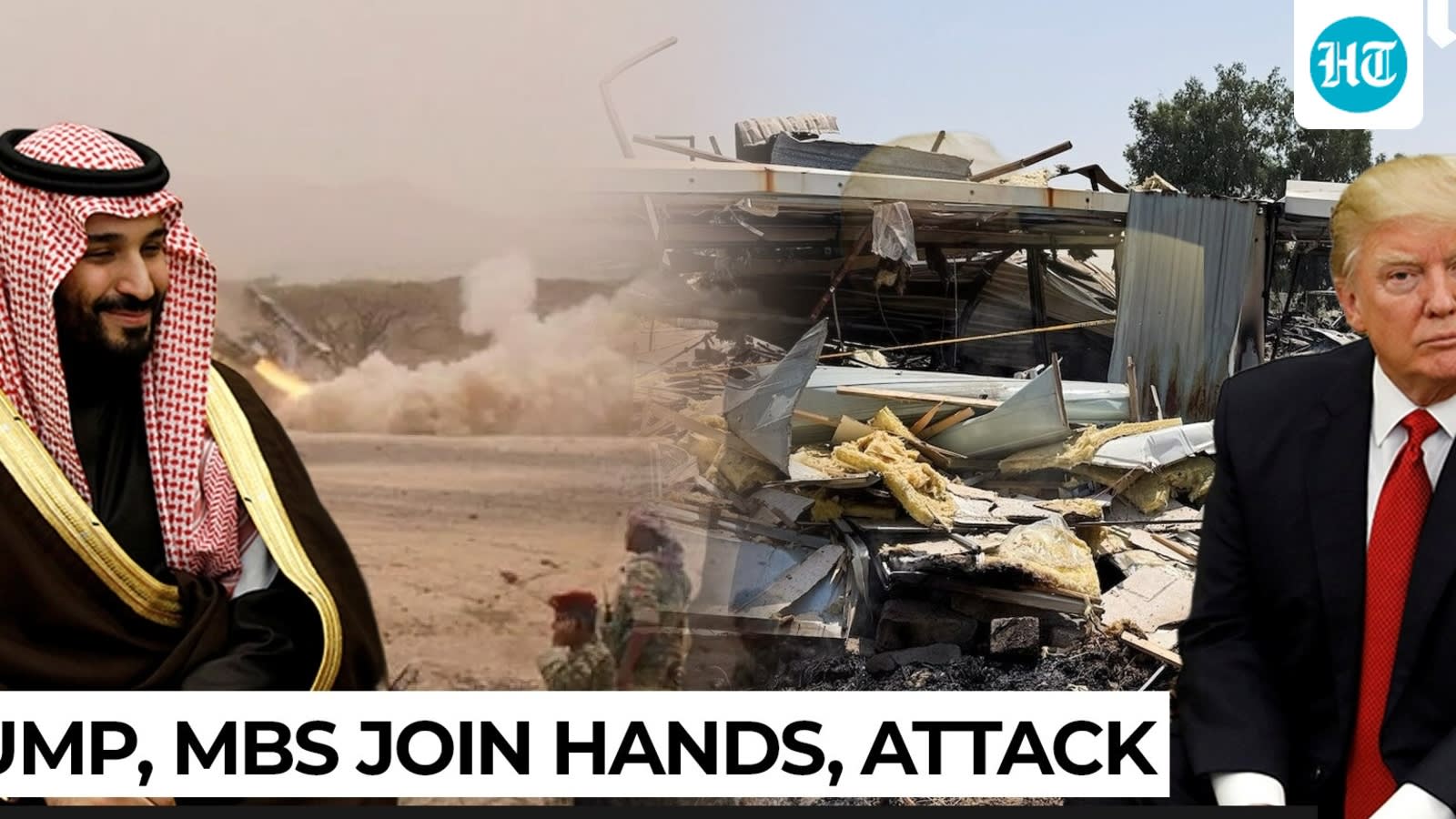
A joint US-Saudi airstrike on a Popular Mobilization Forces base in Mosul, Iraq, has killed at least 20 people, including six Iranian advisers. This escalation follows recent drone attacks on American and Saudi infrastructure, raising significant concerns about a broader regional conflict.
Escalation in the Middle East: US-Saudi Strikes in Iraq
A significant escalation has occurred in the Middle East following a coordinated joint airstrike by the United States and Saudi Arabia targeting Popular Mobilization Forces (PMF) positions in Mosul, Iraq. The operation, which resulted in at least 20 fatalities including six Iranian military advisers, represents a dramatic shift in the ongoing regional volatility. By targeting these Iran-backed militias, Washington and Riyadh have signaled a more aggressive posture in response to persistent provocations against their respective interests.
The Catalyst for Military Action
The strikes were reportedly launched in retaliation for a series of recent drone attacks that targeted American military forces and critical Saudi oil infrastructure. This cycle of violence underscores a precarious security environment where non-state actors, such as the PMF, act as proxies in a broader geopolitical struggle. The involvement of both the US and Saudi Arabia highlights a consolidated effort to deter further strikes, though the immediate result has been a sharp, negative reaction from the Iraqi government.
The Role of Iranian Advisers
The confirmation that six Iranian advisers were killed during the operation is a critical development. Iran has since accused Washington and Riyadh of deliberately expanding the theater of war. This loss of personnel places Tehran in a position where it must weigh the risks of direct escalation against the necessity of maintaining its influence over regional militias in Iraq. The presence of these advisers confirms the deeply entrenched nature of Iran’s strategic reach within the Iraqi security architecture.
Geopolitical and Economic Implications
The conflict has now jolted the global economy, as the uncertainty surrounding energy infrastructure security impacts international markets. The five-month-long conflict, which previously saw periods of relative calm, now threatens to spiral into an all-out regional war. The international community is particularly concerned that this new front will further destabilize an already fragile Iraq, complicating its delicate balancing act between its Western allies and its neighbor, Iran.
Strategic Challenges for the United States
Beyond the immediate casualties, the strike highlights a logistical challenge for the United States: the depletion of sophisticated munitions. As the US military draws down its stockpiles to defend its regional bases and allies, questions arise regarding the long-term sustainability of this interventionist strategy. Domestically, the conflict remains unpopular among the American public, creating a complex political landscape for the current administration as it navigates these volatile regional dynamics.
Looking Ahead: A Path to De-escalation?
The risk of a sustained, multi-front conflict is at its highest point in months. With Iraq reacting sharply to the violation of its territory and Iran threatening retaliation, the diplomatic path to de-escalation appears increasingly narrow. The coming weeks will be crucial in determining whether this operation serves as a successful deterrent or if it acts as a catalyst for a wider, more uncontrolled regional confrontation.
Verification Required?