Centre reissues notification on Western Ghats eco-sensitive zone amid deadlock with States
Source Entity
India Latest News: Top National Headlines Today & Breaking News | The Hindu
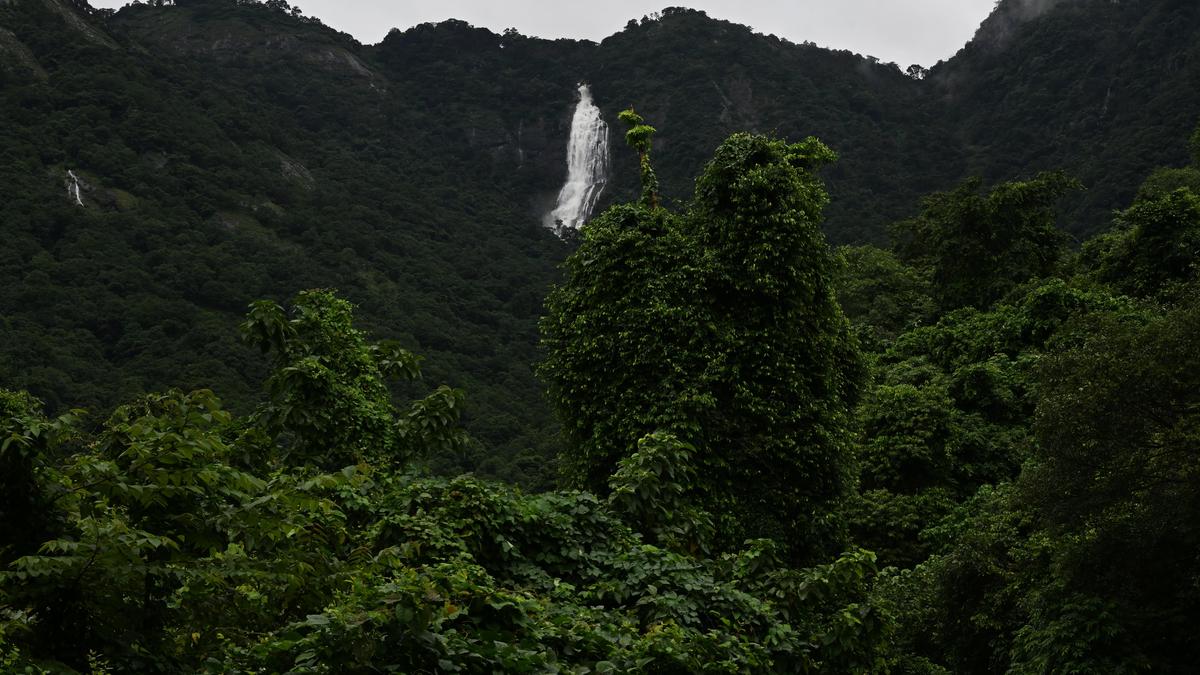
The Union Environment Ministry has issued its seventh draft notification to declare over 56,000 sq km of the Western Ghats as an ecologically sensitive area. This move remains contested by several states, particularly Kerala, due to concerns over the impact on local livelihoods and regional development.
The Ongoing Struggle for Western Ghats Conservation
The Union Environment Ministry has reissued its draft notification for the seventh time in over a decade, aiming to designate 56,825.7 square kilometers of the Western Ghats as an ecologically sensitive area (ESA). This persistent legislative effort, which follows six previous iterations since 2014, underscores the profound difficulty in balancing urgent environmental preservation with the socio-economic aspirations of the six states involved: Gujarat, Maharashtra, Goa, Karnataka, Kerala, and Tamil Nadu.
The Scope of the Proposed Regulation
The proposed ESA is a massive undertaking intended to safeguard one of India’s most critical biodiversity hotspots. The draft notification, which follows the expiration of the previous version on July 27, 2026, aims to place strict prohibitions on activities deemed hazardous to the ecosystem. These include mining, quarrying, sand mining, the establishment of new thermal power plants, and large-scale construction projects. Additionally, the policy seeks to regulate hydel power generation to ensure that human intervention does not irreparably damage the fragile geological landform that stretches approximately 1,500 km along India’s west coast.
The Deadlock: Development vs. Ecology
At the heart of the impasse is a fundamental disagreement between the central government and the affected states regarding the demarcation of zones. While Gujarat and Goa have largely aligned with the Centre's proposal, other states, most notably Kerala, have consistently raised objections. The primary concern among these states is the potential disruption to local livelihoods, agricultural practices, and infrastructure development. The states argue that the rigid enforcement of ESA status could stifle regional growth and place undue burdens on communities residing within these demarcated areas.
Historical Context and Legislative Fatigue
The history of this notification process dates back to 2011, reflecting a decade-long cycle of drafting, public feedback, and administrative expiration. The fact that this is the seventh attempt highlights a recurring pattern of political deadlock where the Centre pushes for environmental compliance while state governments push back to protect their local constituencies. This cycle creates significant uncertainty for industries and residents alike, as the regulatory framework for the region remains in a state of perpetual transition.
Future Implications and Public Participation
The current draft is open for public objections for 60 days, providing a window for states and stakeholders to negotiate the final parameters. The outcome of this process will determine the future of land use in this critical region. If the Centre eventually succeeds in finalizing the notification, it will mark a significant shift in environmental governance in India, potentially setting a precedent for how the government handles large-scale ecological conservation in the face of strong regional opposition and economic development goals.
Conclusion
The reissuance of the seventh draft notification is a testament to the complexity of environmental policy in a federal structure. As the 60-day window for objections opens, the focus will remain on whether the Ministry of Environment, Forest and Climate Change can finally bridge the gap with states like Kerala and Maharashtra. The resolution of this issue is vital, as the Western Ghats remain a globally significant, yet increasingly vulnerable, ecological treasure.
Multiple Citing Sources
Verification Required?