How much does an ISRO scientist earn? Salary, eligibility explained amid resignation reports
Source Entity
Latest News: Today's Latest News Headlines from India & World | Hindustan Times | Hindustan Times
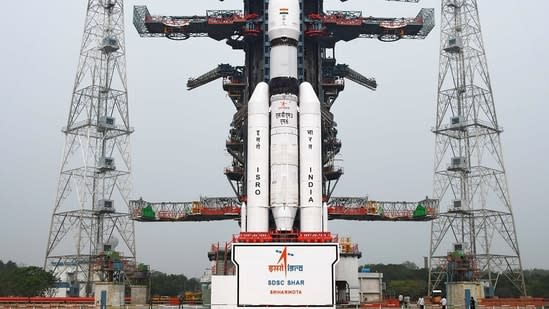
The Department of Space has tightened resignation and voluntary retirement rules for ISRO's Group 'A' scientific personnel. This move follows a wave of over 100 resignations, potentially impacting critical projects like the Gaganyaan mission.
Administrative Shift at ISRO: Tightening Resignation Norms
Recent reports indicate a significant shift in the human resource management strategy of the Indian Space Research Organisation (ISRO). The Department of Space (DoS) has issued a critical memorandum to major ISRO centres, aimed at curtailing the ease with which high-level scientific and technical personnel can exit the organization. This administrative intervention comes at a time when the agency is managing some of the most ambitious projects in its history, necessitating a stable and experienced workforce to ensure mission success.
Restrictions on Group 'A' Personnel
The core of the new directive focuses specifically on Group 'A' scientific and technical personnel. These individuals represent the intellectual backbone of ISRO, possessing the specialized knowledge required to design, execute, and manage complex space systems. The memorandum explicitly instructs centers not to "routinely accept" requests for resignation or voluntary retirement. By moving away from a routine approval process, the Department of Space is signaling that the retention of top-tier talent is now a strategic priority that outweighs standard administrative procedures.
Protecting the Gaganyaan Mission
A primary driver for this policy change is the protection of critical missions, most notably 'Gaganyaan', India's first human spaceflight program. The Gaganyaan mission is a high-stakes endeavor that requires absolute precision and continuity in engineering and scientific oversight. The loss of key personnel during the critical development and testing phases could lead to significant delays or technical setbacks. By tightening exit norms for those tied to such projects, the government is attempting to safeguard the timeline and safety of India's foray into manned space exploration.
Analyzing the Wave of Attrition
The urgency of this memorandum is highlighted by reports that over 100 ISRO employees have recently quit the agency across various centers. While the specific motivations for these resignations are not detailed in the memorandum, a mass exodus of this scale suggests a growing trend of attrition. In the current global landscape, where the private space sector (NewSpace) is expanding rapidly, the competition for skilled aerospace engineers and scientists has intensified, making the retention of government-funded talent more challenging than ever before.
Broader Institutional Implications
This move reflects a tension between the individual career mobility of scientists and the strategic requirements of the state. While Group 'A' officers are essential for the agency's operational success, the imposition of stricter retirement and resignation norms may impact employee morale if not balanced with improved incentives. The focus on "critical missions" suggests that the Department of Space is adopting a tiered approach to retention, prioritizing those whose roles are irreplaceable in the short term over general administrative staff.
Summary and Future Outlook
In conclusion, the Department of Space's decision to restrict the resignation of key ISRO scientists is a reactive measure to prevent a brain drain that could jeopardize national milestones like the Gaganyaan mission. By curbing the routine acceptance of voluntary retirements, the government is prioritizing institutional stability over personnel flexibility. Moving forward, the success of this strategy will likely depend on whether ISRO can complement these restrictive norms with systemic improvements in job satisfaction and professional growth to naturally retain its elite scientific workforce.
Verification Required?